Enhancing Your Garden Design with the Bloodroot Plant: A Landscaping Guide
1
Including Bloodroot in your garden offers distinct aesthetic charm across all seasons.
2
Bloodroot fits well into diverse garden aesthetics, enhancing both structured and relaxed layouts.
3
Placing Bloodroot in your outdoor space aids local wildlife and natural pest management.
Appreciating Bloodroot's Distinctive Beauty
Discovering the unique visual charm of Bloodroot
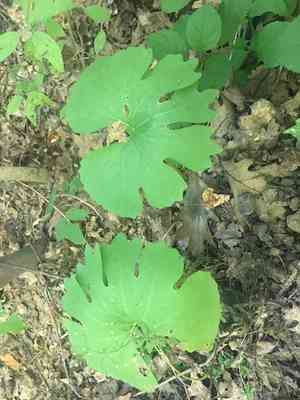
A compelling reason to feature Bloodroot in your garden design is its singular aesthetic appeal. This plant is recognized for its delicate, white blossoms that emerge in early spring, offering a fresh, pure look that can brighten any garden area. Bloodroot's foliage provides a unique texture with its lobed, fan-shaped leaves, adding an element of distinctiveness and intrigue to your plant collection. Whether utilized as ground cover or a focal point, Bloodroot significantly elevates your garden's visual worth.
How Bloodroot's seasonal changes influence its visual appeal
Bloodroot's seasonal transformations greatly contribute to its allure. In early spring, its white blooms are among the first to appear, signaling the arrival of warmer days. This momentum continues with its lush green foliage during summer, which offers a calming effect and complements other summer flowers. As autumn approaches, Bloodroot's leaves turn yellow, adding a burst of color and indicating the seasonal shift. This evolving appearance ensures Bloodroot remains a central point of visual interest throughout the year.
Incorporating Bloodroot into Various Garden Styles
Enhancing formal gardens with Bloodroot
Formal gardens often rely on balance, structure, and a limited palette for their refined appearance. Bloodroot's tidy growth habit and elegant flowers make it an excellent choice for such gardens. It can be used to border paths, creating a neat edge, or planted in symmetrical arrangements to maintain the formal aesthetic. Bloodroot's subtle yet sophisticated presence adds a touch of elegance and serenity to formal garden designs.
Improving cottage-style landscapes
Cottage-style gardens are known for their relaxed, romantic, and often whimsical charm. Bloodroot's natural, woodland feel makes it a perfect fit for this landscape style. Its ability to spread and naturalize in shaded areas helps create a lush, organic look ideal for cottage gardens. Combine Bloodroot with other cottage garden favorites like foxgloves and ferns to enhance the verdant, layered appearance characteristic of this style.
Utilizing Bloodroot in contemporary landscape designs
Modern landscapes often feature clean lines, minimalist aesthetics, and an emphasis on individual plant characteristics. Bloodroot can serve as a striking element in such settings, with its simple yet stunning flowers and bold leaf shapes. Use Bloodroot in a minimalist garden to create contrast with hardscaping elements like stone or metal, or plant it in clusters to form a focal point against a backdrop of sleek, modern architecture. Its adaptability makes it a versatile option for contemporary gardens.
Ecological Advantages of Bloodroot in Landscaping
Contribution to local biodiversity
Planting Bloodroot can significantly boost local biodiversity. As a native species, it provides habitat and sustenance for various local wildlife, including insects and small creatures. This transforms your garden into a mini-ecosystem, supporting broader environmental goals. By integrating Bloodroot, you help sustain natural flora and fauna, fostering a balanced and thriving local ecosystem.
Natural pest management benefits
One practical ecological advantage of including Bloodroot in your garden is natural pest control. The plant's presence can attract beneficial insects that prey on common garden pests, reducing the need for chemical pesticides. By supporting a diverse range of insects, Bloodroot helps create a healthier garden environment where pests are naturally kept in check.
Supporting native pollinators
Bloodroot plays a vital role in aiding native pollinators. Its flowers are a valuable nectar source for bees, butterflies, and other pollinating insects, especially in early spring when few other blooms are available. As pollinators visit Bloodroot, they assist in the broader pollination of your garden plants, promoting better flowering and fruiting in other species. This mutual benefit highlights the importance of including Bloodroot in your landscaping for ecological support.
Caring for and Managing Bloodroot in Gardens
Key advice for seasonal maintenance
Caring for Bloodroot requires specific attention to ensure its flourishing presence in your garden. In spring, keep the soil moist but not waterlogged to support new growth. Mulching around the plants can help retain moisture and reduce weed competition. During summer, consistent watering is crucial, especially during dry periods. In fall, trim back the foliage after it has died down, which helps the plant store energy for the next growing season. Regular care will ensure Bloodroot remains a vibrant part of your landscape.
Addressing common issues with Bloodroot
While Bloodroot is relatively low-maintenance, gardeners may encounter a few challenges. Powdery mildew is a common issue, which can be alleviated by ensuring good air circulation around the plants. Another challenge is potential overcrowding, as Bloodroot can spread vigorously. Dividing the plants every few years can help manage this growth and promote healthier plants. Additionally, it's important to shield Bloodroot from excessive sun and heat, as it prefers shaded, woodland-like conditions. Proactively addressing these challenges will keep your Bloodroot thriving.



