Enhancing Your Garden Design with the Rock soapwort Plant: A Landscaping Guide
1
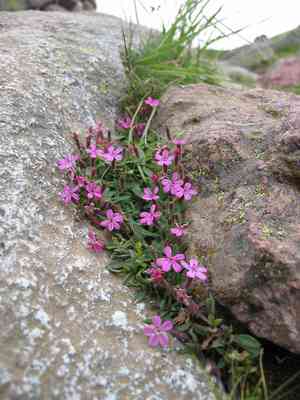
Rock soapwort flourishes in bright spots but can also endure some shade.
2
This perennial requires little upkeep and provides continuous aesthetic value.
3
Rock soapwort complements numerous other plants, improving your garden's overall look.
Introducing Rock Soapwort in Garden Design
Appreciating the aesthetic value Rock Soapwort brings to gardens
A key appeal of Rock Soapwort is its vibrant, profuse flowering, which can enliven any garden with bursts of color. Its trailing habit makes it perfect for creating organic, flowing lines and softening garden edges. Envision cascades of delicate blossoms spilling over rocks, walls, or containers, lending a romantic touch to your landscape. This visual adaptability makes Rock Soapwort a preferred choice for diverse garden styles, from informal cottage gardens to structured designs.
Overview of its growth characteristics
Rock Soapwort is a robust perennial that thrives in sunny locations but tolerates partial shade, allowing it to adapt to various garden settings. It exhibits a creeping growth pattern, meaning it spreads horizontally and forms a dense ground cover. This growth habit is particularly effective for preventing erosion on slopes and filling empty areas. Being evergreen, Rock Soapwort offers continuous greenery, and its flowering season, from late spring to early summer, ensures vivid hues during those months.
Optimal Placement for Rock Soapwort in Your Garden
Ideal planting spots based on sun exposure
Rock Soapwort flourishes in well-draining soil and sunny areas, though it can also endure some shade. The best planting sites are those receiving at least six hours of daily sunlight. Its tough nature makes it excellent for rocky zones, garden borders, and inclines where other plants might struggle. If you aim to fill challenging spots in your garden or add interest to less frequented areas, Rock Soapwort is an outstanding option.
Spacing and grouping advice for enhanced visual impact
When planting Rock Soapwort, aim to space plants approximately 12 to 18 inches apart to ensure adequate air circulation and growth. For a striking display, plant Rock Soapwort in clusters or allow them to cascade over rock gardens and retaining walls. This method not only boosts their visual appeal but also maximizes their ground-covering abilities. Combining Rock Soapwort with other plants of varying heights and textures can create dynamic, visually engaging garden sections.
Companion Planting with Rock Soapwort
Best companion plants for Rock Soapwort in landscape designs
Rock Soapwort pairs beautifully with plants such as lavender, creeping thyme, and other low-growing perennials that prefer similar growing conditions. These companions not only complement Rock Soapwort's delicate blooms but also enhance the overall biodiversity of your garden. Consider planting Rock Soapwort alongside taller plants like ornamental grasses or shrubs to create layers and depth, making your garden more captivating and visually appealing.
Tips on color and texture combinations
To achieve striking visual contrasts, combine the soft pinks or purples of Rock Soapwort with the deep blues of salvia or the bright yellows of coreopsis. For texture, pairing Rock Soapwort with spiky plants like yucca or the feathery foliage of ferns can add intriguing layers to your garden design. The key is to balance the color palette and textures so that each plant enhances Rock Soapwort's beauty while contributing to a unified garden theme.
Seasonal Care for Rock Soapwort
Preparing Rock Soapwort for different seasons
To ensure Rock Soapwort remains healthy year-round, it's crucial to adjust your care routine with the seasons. During the active growth period, consistent watering and occasional feeding will keep the plants vibrant. In autumn, pruning spent blooms and applying mulch can protect the roots from winter cold. Although Rock Soapwort is hardy, providing some protection from harsh winds and heavy snow with plant covers can help it maintain its beauty through winter.
Impact of seasonal changes on Rock Soapwort's appearance
Rock Soapwort is an evergreen perennial, meaning it retains its foliage throughout the year. However, its most impressive visual display occurs during its blooming period in late spring and early summer. As temperatures drop, the plant may become less active, but its green foliage still adds vibrant color to winter landscapes. Understanding these seasonal dynamics can help you plan your garden so that Rock Soapwort remains a focal point regardless of the time of year.
Sustaining Rock Soapwort's Long-Term Beauty
Basic maintenance tips
Rock Soapwort is relatively low-maintenance, making it a favorite among gardeners. Regular watering, especially during dry periods, will keep it thriving. Applying a balanced fertilizer during the growing season can enhance its blooms. Periodic trimming will help maintain its shape and prevent it from becoming too leggy or invasive. Deadheading, or removing faded flowers, encourages further blooming and keeps the plant looking neat.
Addressing common issues without detailed care information
While Rock Soapwort is resilient, it's not entirely problem-free. Watch for common pests like aphids and slugs, which can be managed with natural or commercial remedies. Overwatering can lead to root rot, so ensure the soil drains well. If you notice any signs of disease or stress, addressing them promptly with proper care and treatment can prevent more significant problems. With these simple steps, Rock Soapwort can continue to enhance your landscape for many years.



