Enhancing Your Garden Design with the Gloxinia Plant: A Landscaping Guide
1
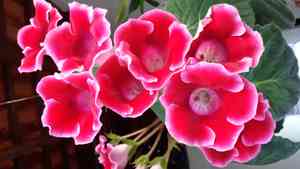
Gloxinia is recognized for its impressive bell-shaped blooms, available in numerous vivid hues.
2
Positioning Gloxinia in filtered light allows it to flourish and sustain brilliant blossoms during its active period.
3
Gloxinia complements other plants that prefer shade, forming a balanced and aesthetically appealing garden setting.
Introducing Gloxinia to Your Landscape Design
Aesthetic qualities of Gloxinia
When considering Gloxinia's visual appeal, its striking flowers immediately come to mind. These charming, bell-shaped blooms appear in a range of colors, including reds, purples, pinks, and whites. The rich, velvety texture of the blossoms adds a touch of luxury and sophistication to any garden. Furthermore, the large, lush leaves provide a verdant backdrop, making Gloxinia a prominent feature in the landscape. This combination of vibrant flowers and substantial foliage allows Gloxinia to make a bold yet elegant statement in your garden.
Why Gloxinia is an excellent choice for garden settings
Gloxinia is more than just a beautiful plant; its practical advantages make it a superb option for gardeners of all skill levels. A key benefit is its ability to thrive in partially shaded areas, where other plants might struggle. This makes it a versatile addition that can brighten less sunny parts of your garden. Additionally, Gloxinia requires relatively little maintenance, needing only moderate watering and occasional feeding. Its resilient nature means gardeners can enjoy its beauty without the burden of complex care routines.
Optimal Placement of Gloxinia in Your Garden
Understanding Gloxinia's light and shade preferences
Gloxinia thrives in environments where it receives partial shade. This plant flourishes with indirect light, making it ideal for areas that get dappled sunlight throughout the day. Direct, intense sunlight can scorch its delicate leaves and flowers, so it's best to avoid full sun exposure. Perfect spots for Gloxinia include the sheltered bases of larger shrubs or trees, or even a shaded patio where it can be protected from the strong midday sun.
Strategic positioning for visual harmony and color enhancement
Effective placement of Gloxinia in your garden requires thoughtful planning to maximize its visual impact. Consider situating it in areas where its vibrant blooms can serve as a focal point against a more subdued background. You can also use Gloxinia to create striking color contrasts by planting it alongside greens and other cool-toned plants. For a more dramatic effect, plant them in clusters to create a sweeping wave of color, or use them to line pathways, drawing the eye and guiding visitors through your garden.
Companion Plants for Gloxinia
Selecting plants that enhance Gloxinia's visual appeal
To truly make Gloxinia shine in your garden, consider pairing it with plants that complement its vivid colors and lush foliage. Shade-loving plants such as hostas, ferns, and impatiens work wonderfully alongside Gloxinia, creating a balanced yet dynamic bed. These plants not only share similar light and moisture needs but also offer contrasting textures and forms that highlight Gloxinia's unique beauty. For instance, the broad leaves of hostas accentuate the delicate petals of Gloxinia's flowers, making for an eye-catching display.
Tips for establishing a unified planting scheme
Creating a unified planting theme with Gloxinia involves using a mix of plants that share a common aesthetic and environmental preference. Consider both the color palette and the texture when choosing companion plants. Incorporating a mix of groundcovers, perennials, and shrubs with Gloxinia can result in a layered, visually appealing garden. Additionally, arranging these plants in a way that mimics natural landscapesâtaller plants in the back, shorter ones in the frontâcan create a more organic and harmonious look.
Seasonal Considerations for Gloxinia
Optimal planting times for Gloxinia
Timing is essential for ensuring Gloxinia establishes successfully in your garden. The best time to plant Gloxinia is in late spring to early summer when the risk of frost has passed, and the soil has warmed. This timeframe allows the plant to settle before the peak growing season. Alternatively, you can start Gloxinia indoors and transplant it outside once the weather is consistently warm. Be sure to choose a time when rainfall is moderate to ensure young plants receive adequate moisture without becoming waterlogged.
Maintaining Gloxinia's vibrancy throughout the year
Keeping Gloxinia vibrant throughout the growing season requires some routine care. Regular deadheading, or removal of spent flowers, encourages the plant to produce more blooms, keeping it looking fresh and colorful. Additionally, a balanced, water-soluble fertilizer can be applied every few weeks to provide essential nutrients. During hotter months, ensure Gloxinia is well-watered but not waterlogged, as overly wet soil can lead to root rot. As fall and winter approach, reduce watering and allow the plant to enter dormancy, if it naturally does so in your climate.
Final Tips: Maximizing Gloxinia's Impact in Your Landscape
Routine care advice to keep Gloxinia thriving
Consistent care is crucial for maintaining Gloxinia's health and vibrancy. Ensure the soil remains well-drained and slightly moist, avoiding both drought and waterlogging. Mulching around the plant's base can help conserve moisture and regulate soil temperature. Additionally, periodically check for pests, such as aphids or mites, and treat them promptly to prevent infestations. Pruning any leggy or damaged growth will also help maintain its full, bushy form.
Creative ideas for integrating Gloxinia into various garden styles
There are numerous creative ways to incorporate Gloxinia into your garden. In a cottage garden, Gloxinia can be interspersed among other colorful, flowering plants to create a whimsical, naturalistic look. In a more formal garden, planting Gloxinia in symmetrical clusters or rows can add structure and rhythm to the design. You can also use Gloxinia in container gardens on patios or balconies, where its vivid colors and cascading blooms can brighten small spaces. Whether your style is rustic, modern, or somewhere in between, Gloxinia offers versatile beauty that can enhance any garden.



