Enhancing Your Garden Design with the Silverrod Plant: A Landscaping Guide
1
Silverrod is remarkably versatile, making it a superb option for diverse landscape aesthetics.
2
Anticipate periodic transformations with Silverrod, enhancing your garden's visual appeal.
3
Combining Silverrod with other flora can produce striking color variations and enduring attractiveness.
Exploring the Fundamentals of Silverrod in Garden Design
Silverrod Characteristics: Versatility and Visual Appeal
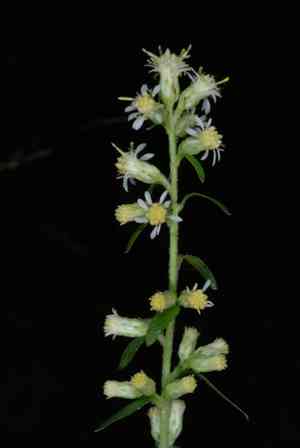
A key attribute of Silverrod is its remarkable flexibility. Whether your garden receives full sun or partial shade, Silverrod can flourish easily, provided the soil drains well. A distinctive feature is its soft, silvery-white blossoms that bloom beautifully, creating a calming aesthetic. Silverrod not only integrates well with various garden styles but also complements both contemporary and classic landscape designs.
Seasonal Progression: What to Anticipate from Silverrod
Silverrod offers dynamic visual appeal through its various seasonal transformations. In early summer, the plant typically begins to flower, displaying its lovely blooms. As the seasons advance into autumn, you might observe the flowers fading, but the foliage still retains its charm. Understanding these seasonal cycles aids in planning your garden to maximize the plantâs visual contributions throughout the year.
Creative Concepts for Incorporating Silverrod into Outdoor Areas
Crafting Color Contrasts with Silverrod
Achieving vibrant visual contrasts in your garden can be effortlessly done by including Silverrod. Its silver-toned flowers and green leaves provide an excellent backdrop for colorful annuals and perennials. Consider pairing Silverrod with plants that have bold hues like deep purples, bright reds, or vivid yellows to make both Silverrod and its companion plants stand out beautifully in your landscape.
Integrating Silverrod with Other Plants: Advice and Methods
Combining Silverrod with other plants can result in an aesthetically pleasing and harmonious garden design. When selecting companion plants, choose those with similar soil and light requirements. Plants such as lavender, sage, and ornamental grasses are excellent choices as they enhance visual appeal while ensuring no plant compromises its growing conditions. Grouping plants of varying heights can also add depth and structural interest to your garden.
Utilizing Silverrod for Year-Round Visual Interest
A significant benefit of incorporating Silverrod into your landscaping is its potential for continuous appeal throughout the year. While the flowers may be the main attraction during the growing season, the foliage can maintain garden interest during colder months. Strategic planting of Silverrod alongside evergreens or shrubs ensures your garden retains its charm even in winter. Additionally, the plant's adaptability allows it to be relocated or combined with seasonal plants to refresh your landscape design periodically.
Maintenance Guidelines for Silverrod in Your Garden
Irrigation and Nutrient Requirements
Ensuring the healthy development of Silverrod necessitates understanding its watering and feeding needs. Generally, Silverrod is quite low-maintenance, thriving in well-drained soil. It prefers moderate watering, so itâs crucial to avoid overwatering, which can lead to root rot. During dry periods, a little extra watering can help, but always check the soil moisture first. As for feeding, a light application of a balanced fertilizer in the spring can promote healthy growth and abundant blooming.
Pruning Techniques for Healthier Silverrod
Pruning Silverrod is essential for maintaining its form and encouraging new growth. Ideally, prune the plant after the flowering season by removing any dead or faded blooms. This not only tidies up the plant's appearance but also promotes healthier future blooms. For optimal results, use clean, sharp pruning shears to make precise cuts. Additionally, regular trimming of any brown or damaged foliage keeps the plant looking its best and minimizes the risk of disease.



