Enhancing Your Garden Design with the European mountain-ash Plant: A Landscaping Guide
1
The European mountain-ash provides continuous aesthetic appeal through its varying seasonal hues.
2
This adaptable plant fits well into both compact and expansive garden layouts.
3
Appropriate care guarantees the European mountain-ash stays robust and lively in your outdoor space.
Introducing European mountain-ash to Your Garden
Why Choose European mountain-ash for Your Landscaping?
Incorporating European mountain-ash into your landscape design can significantly boost your garden's aesthetic appeal. This plant is renowned for its vivid berries and delicate blooms, which introduce vibrant hues at various times of the year. Its adaptability makes European mountain-ash suitable for diverse garden sizes and styles, from compact urban plots to sprawling rural estates. Furthermore, it supports local wildlife, providing sustenance and refuge for birds and insects.
Ideal Locations for European mountain-ash in Landscape Settings
European mountain-ash flourishes in well-drained soil and can tolerate various light conditions, though it prefers full sun to partial shade. When positioning European mountain-ash in your garden, consider spots where it can serve as a central feature, such as in the middle of a lawn or alongside pathways. Its moderate stature makes it perfect for border plantings, adding height and structure without dominating other landscape elements.
Visual Benefits of European mountain-ash in Landscaping
Seasonal Color Changes of European mountain-ash
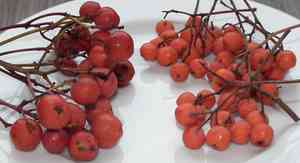
European mountain-ash is celebrated for its striking seasonal transformations, starting with white spring flowers that transition into rich, green summer foliage. In autumn, leaves display brilliant orange or red shades, while bright red berries offer a stark contrast. Even in winter, the plant maintains visual appeal with its intricate branch structure and persistent berries.
Shape and Structure: How European mountain-ash Enhances Aesthetic Appeal
The structural beauty of European mountain-ash stems from its rounded canopy and finely textured leaves, which can soften garden edges and create a more inviting atmosphere. Its elegant, upright form adds vertical interest, making it an excellent choice for breaking up horizontal lines in the landscape. The combination of its shape and texture can enhance both formal and informal garden designs.
Pairing European mountain-ash with Other Plants
Complementary Plants for European mountain-ash: Creating a Cohesive Look
Combining European mountain-ash with plants that complement its colors and textures can result in a harmonious and unified garden design. Plants such as lavender, salvia, and ornamental grasses can accentuate the delicate nature of European mountain-ash with their contrasting forms and shades. Additionally, evergreen shrubs can provide a lush backdrop that highlights the seasonal changes of European mountain-ash.
Avoiding Clashing: What Not to Plant with European mountain-ash
While European mountain-ash pairs well with many plants, it's crucial to avoid those that might compete for nutrients or overshadow its beauty. Aggressive ground covers and overly large trees can clash with European mountain-ash both visually and physically. Plants with very large, coarse leaves or excessively bright flowers might also detract from the subtle charm of European mountain-ash, so it's best to select companion plants that enhance rather than overwhelm.
Maintenance Tips for European mountain-ash in Your Landscape
Basic Maintenance Routines for European mountain-ash
Maintaining European mountain-ash in your landscape involves straightforward yet consistent care practices. Watering during dry periods, especially for young plants, ensures proper establishment. Annual pruning helps maintain its shape and promotes healthy growth. Mulching around the base of European mountain-ash helps retain moisture and suppress weeds, fostering a healthier growing environment.
Seasonal Care Considerations for European mountain-ash
Each season presents specific care requirements to keep European mountain-ash thriving. In spring, early inspection for pests and diseases can prevent issues throughout the year. Summer demands consistent watering, particularly in warmer climates. Fall is an ideal time for pruning and mulching, preparing European mountain-ash for winter dormancy. During winter, protecting younger plants from frost and heavy snow can prevent damage.
Incorporating European mountain-ash in Small versus Large Spaces
Utilizing European mountain-ash in Limited Space: Tips and Tricks
In a compact garden, European mountain-ash can serve as a focal point without dominating the area. Consider using it as a standalone feature or as part of a mixed border. Planting it in a container can also manage its size and allow for relocation as needed. Pruning to maintain a smaller form ensures it fits well within confined spaces while still offering visual interest.
Scaling Up: European mountain-ash in Larger Landscape Designs
For more expansive landscapes, European mountain-ash can be used to create visual anchors or as part of a naturalistic, woodland garden setting. Planting several European mountain-ash together can create a lush, forest-like appearance. Integrating it with other mid-sized trees and shrubs can enhance the layered look of a large garden, bringing depth and dimension to vast spaces.



