Enhancing Your Garden Design with the African tulip tree Plant: A Landscaping Guide
1
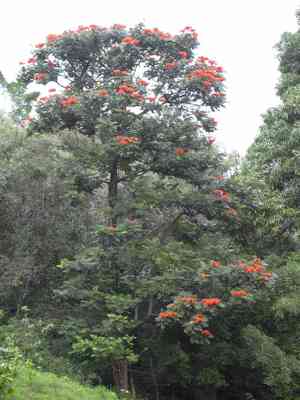
The African tulip tree yields vivid blossoms, enhancing any garden with a burst of color.
2
This tree thrives in tropical and subtropical environments.
3
Adequate spacing is essential for the African tulip tree to achieve its best growth and visual appeal.
Introducing the African Tulip Tree in Landscape Design
Identifying the African Tulip Tree: A quick look at its unique characteristics
The African tulip tree is recognized for its striking look, featuring large clusters of bright, trumpet-shaped blossoms and shiny, dark green leaves. This tree can reach impressive heights, making it a magnificent focal point in any garden. Its distinct, ruffled petals beautifully contrast with the lush foliage, creating a dynamic and visually appealing landscape element.
Why Select the African Tulip Tree for Your Garden? Key advantages in landscape planning
The African tulip tree not only boosts your landscape's aesthetic appeal but also offers valuable shade, making outdoor areas more comfortable during hot weather. Its strong root system can help stabilize soil, reducing erosion. Furthermore, its vibrant flowers attract pollinators like bees and butterflies, fostering biodiversity in your garden.
Optimal Placement for African Tulip Tree for Maximum Effect
Prime Locations: Strategic positioning within the garden
To maximize the visual impact of the African tulip tree, consider planting it as a central focal point in your garden. Its height and vibrant flowers can draw attention, creating a stunning centerpiece. Alternatively, use the African tulip tree to line pathways or property boundaries, providing a natural and visually appealing border.
Sunlight and Shade: Understanding the African tulip tree's environmental needs
The African tulip tree thrives in full sunlight, requiring at least six hours of direct sun daily to maintain its vibrant blooms. It can tolerate partial shade but may produce fewer flowers. Ensure the planting site has well-draining soil to prevent root rot, and consider the tree's mature size to avoid overcrowding.
Companion Plants for the African Tulip Tree
Complementary Flora: Which plants pair well with the African tulip tree?
Pair the African tulip tree with plants that have contrasting textures and colors to enhance your garden's visual interest. Consider combining it with grasses or shrubs that have softer, finer foliage. Plants like hibiscus or bird of paradise, with their equally vibrant flowers, can beautifully complement the African tulip tree's bold appearance.
Creating Color Harmonies: Boosting visual appeal
To create a cohesive and harmonious garden, choose plants with complementary or analogous colors. For instance, the orange or red hues of the African tulip tree's flowers can be paired with purple or blue flowering plants for a stunning contrast. Alternatively, use yellow or red-toned plants to create a warm, inviting color scheme.
Seasonal Considerations for the African Tulip Tree
Optimal Planting Times: Best seasons for planting the African tulip tree
The best time to plant the African tulip tree is during early spring or fall, depending on your local climate. These periods offer moderate temperatures and sufficient rainfall, helping young trees establish a strong root system. Avoid planting during peak summer or winter when extreme temperatures can stress the tree.
Visual Changes Throughout the Year: What to expect in different seasons
The African tulip tree offers year-round interest with its seasonal transformations. During spring and summer, expect an explosion of colorful blooms. In fall, the flowers may wane, but the tree's lush foliage remains a vibrant green. Throughout winter, the African tulip tree maintains its structural beauty, providing an eye-catching silhouette against the winter sky.



