Enhancing Your Garden Design with the Bird of paradise Plant: A Landscaping Guide
1
Bird of paradise flourishes optimally in areas receiving abundant solar exposure.
2
Consistent upkeep guarantees that Bird of paradise continues to be an impressive centerpiece in any outdoor space.
3
Incorporating Bird of paradise into landscape planning can aid in controlling soil degradation efficiently.
Introducing Bird of Paradise into Landscape Designs
Overview of the unique visual appeal of Bird of Paradise
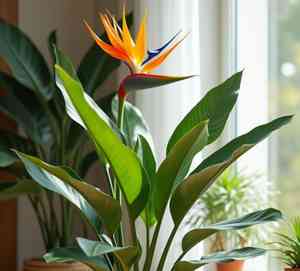
The striking beauty of Bird of Paradise stems from its bold, architectural form and vibrant, bird-like blooms. These characteristics make it a standout in any setting, immediately drawing attention. Its exotic look evokes a tropical feel, transforming ordinary garden spaces into visually stunning retreats. The sculptural foliage and bright flowers add dynamic shapes and colors, making Bird of Paradise an excellent choice for gardeners aiming to create an engaging outdoor area.
The role of Bird of Paradise in enhancing outdoor aesthetics
Integrating Bird of Paradise into your landscape design significantly boosts the visual appeal of your outdoor space. Its tall, elegant structure provides vertical interest, while its dramatic flowers offer seasonal bursts of color. By strategically placing Bird of Paradise within your garden, you can create focal points that capture the eye, improving the overall layout and design. Additionally, Bird of Paradise pairs well with various other plants, allowing you to craft layered and harmonious landscapes that captivate year-round.
Selecting the Optimal Location for Bird of Paradise
Factors to consider when choosing a spot
Choosing the right spot for Bird of Paradise involves evaluating several key factors, including soil quality, available space, and protection from the elements. Ideally, Bird of Paradise should be planted in well-draining soil to prevent root rot. Equally important is the area around the plant; Bird of Paradise can grow quite large, so ensure it has ample room to spread. Lastly, consider the local climateâBird of Paradise prefers mild conditions and may need shelter from strong winds or frosts. By accounting for these factors, you can create an optimal environment for Bird of Paradise.
The impact of sunlight and shading
Sunlight plays a crucial role in the health and vigor of Bird of Paradise. This plant thrives in locations where it can receive abundant sunlight, ideally six to eight hours of direct light daily. However, it also appreciates some relief from intense afternoon sun, so a spot with partial shading can be beneficial. Ensuring the right balance of light helps Bird of Paradise produce vibrant flowers and maintain robust growth. Consider your garden's orientation and surrounding structures when selecting a location to best utilize natural light.
Design Concepts for Integrating Bird of Paradise with Other Plants
Creating focal points with Bird of Paradise
Bird of Paradise is excellent for establishing focal points in garden designs. Placing it at the center of a garden bed or along pathways can attract attention and guide movement through the space. Its towering structure contrasts beautifully with ground covers and shorter plants, adding depth and visual interest. Combining Bird of Paradise with ornamental grasses or complementary perennials can enhance its visual impact, making it a striking centerpiece that elevates the overall garden design.
Complementary plants that enhance the beauty of Bird of Paradise
Selecting complementary plants that highlight the features of Bird of Paradise can create a cohesive and stunning landscape. Plants with contrasting textures, like ferns or hostas, can offset the architectural leaves of Bird of Paradise, creating a balanced and harmonious visual. Additionally, flowers in hues that complement the vivid colors of Bird of Paradise's blooms can tie the garden together perfectly. Consider incorporating plants with similar soil and light requirements to ensure compatibility and ease of maintenance.
Maintenance Advice for Bird of Paradise in Landscapes
Basic requirements for sustaining healthy Bird of Paradise
To maintain healthy Bird of Paradise, ensure regular watering, especially during dry spells, but avoid waterlogged soil. Fertilize it with a balanced, slow-release fertilizer every few months to promote growth and flowering. Prune dead or damaged leaves to encourage new growth and maintain the plant's shape. Regularly check for pests or diseases and address any issues promptly to keep your Bird of Paradise thriving year-round.
Seasonal care practices
Seasonal care for Bird of Paradise involves adjusting your maintenance routine to meet the plant's needs in different weather conditions. During spring and summer, increase watering frequency and fertilize more regularly to support active growth. In autumn, reduce watering as the plantâs growth slows. Additionally, in colder climates, provide protection against frost by mulching the base or moving potted plants indoors. These seasonal adjustments help Bird of Paradise endure varying conditions and flourish throughout the year.
Addressing Common Landscape Challenges with Bird of Paradise
Using Bird of Paradise to conceal unsightly areas
Bird of Paradise can effectively conceal unsightly areas in your landscape, such as utility boxes, bare fences, or unattractive walls. Its large, lush leaves create a natural screen that hides imperfections while adding beauty and greenery. By strategically placing Bird of Paradise around problem areas, you can transform them into visually appealing parts of your garden. This not only enhances the overall aesthetics but also promotes a more cohesive and attractive landscape design.
How Bird of Paradise can aid in managing soil erosion
Bird of Paradise can also be a valuable asset in managing soil erosion. Its robust root system helps stabilize the soil, preventing erosion on slopes or in areas prone to washout. Planting Bird of Paradise along embankments or hillsides can mitigate the impact of water runoff, protecting your landscape and maintaining soil health. Using Bird of Paradise in erosion-prone areas combines functionality with beauty, ensuring a stable and visually appealing garden space.
Inspiring Real-World Examples of Bird of Paradise in Landscaping
Showcase of successful landscape projects featuring Bird of Paradise
There are numerous inspiring examples of Bird of Paradise used successfully in landscape projects worldwide. From tropical-themed public parks to private garden oases, Bird of Paradise has been a star in various designs. These projects showcase creative ways to integrate Bird of Paradise into different settings, demonstrating its versatility and timeless appeal. Exploring these successful landscapes can provide valuable ideas and inspiration for using Bird of Paradise effectively in your own garden designs.
Interviews with landscape designers who frequently use Bird of Paradise
Speaking with landscape designers who frequently incorporate Bird of Paradise into their projects can offer deeper insights into its potential. These experts share their tips and experiences on optimal placement, maintenance practices, and combining Bird of Paradise with other elements to achieve stunning results. Their professional advice can guide you in making the most out of Bird of Paradise in your landscape, ensuring that your garden benefits from the beauty and functionality this remarkable plant offers.



