Enhancing Your Garden Design with the Common snowberry Plant: A Landscaping Guide
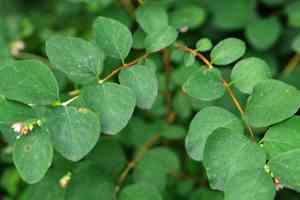
1
Common snowberry provides continuous aesthetic appeal to your outdoor space.
2
Selecting an appropriate site for Common snowberry is vital for its development and look.
3
Common snowberry delivers ecological and financial advantages, making it a wise inclusion in any setting.
Introducing Common Snowberry in Garden Design
Understanding the visual charm of Common Snowberry
The visual charm of Common Snowberry stems from its distinct characteristics and the allure it brings to any outdoor space. This shrub displays clusters of lovely, white berries, earning it the 'snowberry' moniker, which adds a pristine touch to landscapes during colder months. Its vibrant green leaves in spring and summer, transitioning to yellow hues in autumn, make Common Snowberry visually appealing across seasons. Such varied aesthetics can elevate your garden's grandeur, ensuring it remains attractive regardless of the weather.
The role of Common Snowberry in seasonal garden changes
Common Snowberry plays a crucial role in generating seasonal interest within your landscape design. In spring, it offers lush, new foliage, becoming a sanctuary for local wildlife. By summer, its dense greenery adds depth to garden borders. In fall, the leaves' transformation to vivid yellows presents a picturesque scene. Finally, winter reveals its most striking feature – the white berries, which stand resilient against the cold, providing visual contrast in an often barren season. Including Common Snowberry ensures year-round vibrancy in your landscape.
Integrating Common Snowberry Into Your Garden
Selecting the optimal spot for Common Snowberry
Choosing the perfect spot for Common Snowberry is vital for its health and your garden's beauty. Common Snowberry thrives best in partial to full sun, requiring well-drained soil to prevent root rot. It is adaptable and can tolerate various soil types, making it an excellent option for different garden areas. Placing Common Snowberry where it can receive ample sunlight, such as along borders, beneath trees, or in open garden spaces, allows it to flourish and enhances your landscape's visual appeal.
Companion plants for Common Snowberry and blending techniques
Pairing Common Snowberry with suitable plants can significantly boost your garden's harmony and visual appeal. Good companions include shade-loving perennials like hostas and ferns, which can complement Common Snowberry's texture and color. Additionally, evergreens and other native shrubs can create a seamless blend, providing a backdrop that highlights Common Snowberry's white berries. When combining these plants, consider contrasting textures and complementary colors. Grouping them in clusters or arranging them along garden paths can create captivating focal points and a unified design.
Design Advice for Common Snowberry in Landscape Projects
Utilizing Common Snowberry to create natural boundaries and divisions
Common Snowberry is an excellent choice for forming natural boundaries and divisions within your landscape. Its dense growth habit makes it ideal for creating hedges or natural barriers that can effectively define different garden zones. Planting Common Snowberry along your garden's perimeter or around seating areas can establish a sense of privacy and separation. Furthermore, its striking berries serve as ornamental features, enhancing the beauty of your boundaries and divisions while maintaining functionality in your landscape design.
Emphasizing Common Snowberry through focal points in your landscape
To highlight Common Snowberry as a focal point in your garden, consider strategic placement and design elements that draw attention to its unique characteristics. Plant Common Snowberry in central garden areas, where its seasonal changes and white berries can be easily admired. Accentuate Common Snowberry with garden ornaments, such as benches or sculptures, creating inviting focal areas that encourage visitors to appreciate its beauty. Using lighting to illuminate Common Snowberry during evening hours can further enhance its prominence and ensure it remains a captivating element in your landscape at all times.
Seasonal Care and Upkeep for Common Snowberry
Spring and summer care tips for Common Snowberry
To ensure Common Snowberry remains healthy and vibrant throughout spring and summer, consistent watering, mulching, and pruning are essential. During these seasons, Common Snowberry needs regular moisture, so watering deeply and maintaining mulch around its base helps retain soil moisture and suppress weeds. Periodic trimming encourages dense growth and keeps it in desired shapes. Applying a balanced fertilizer in early spring can promote lush foliage and vigorous growth, ensuring Common Snowberry stays healthy and enhances your garden's appeal throughout the warmer months.
Preparations for Common Snowberry during fall and winter
As autumn approaches, preparing Common Snowberry for the colder months ensures its health and resilience. Begin by reducing watering to prevent excess moisture, which can lead to root problems in winter. Fall is also an excellent time for pruning; removing any dead or diseased branches helps Common Snowberry conserve energy. Applying a layer of mulch before frost arrives protects the root system from freeze damage. Despite the limited care required in winter, monitoring Common Snowberry during harsh weather conditions ensures it remains resilient and ready to thrive come spring.
Advantages of Including Common Snowberry in Your Landscape
Environmental benefits provided by Common Snowberry
Common Snowberry offers numerous environmental advantages that positively contribute to your garden ecosystem. It provides habitat and food for various bird species and pollinators, fostering biodiversity. Its dense foliage acts as a natural windbreak, protecting other plants and reducing soil erosion. Additionally, Common Snowberry absorbs pollutants and improves air quality, making it an eco-friendly choice for environmentally conscious gardeners. These benefits underscore the importance of Common Snowberry in creating a balanced and sustainable landscape.
Economic advantages of planting Common Snowberry
Incorporating Common Snowberry into your landscape also brings economic benefits. Its low maintenance and drought-resistant nature mean fewer resources and less time spent on care, leading to cost savings. Moreover, Common Snowberry's robust growth reduces the need for frequent replacements, making it a cost-effective long-term investment. For property owners, a well-maintained landscape featuring Common Snowberry can enhance curb appeal and potentially increase property value, offering financial gains alongside aesthetic pleasure.



