Enhancing Your Garden Design with the Common comfrey Plant: A Landscaping Guide
1
Common comfrey flourishes in diverse soil conditions, rendering it highly versatile for various garden settings.
2
The impressive appearance of Common comfrey can enhance both traditional and contemporary garden aesthetics.
3
Adding Common comfrey to your garden can enhance local ecological variety by drawing in beneficial insects.
Introduction to Common comfrey in Landscaping
Overview of Common comfrey's versatility in garden designs
For optimal garden aesthetics, Common comfrey shines as a versatile plant. Its adaptability allows seamless integration into diverse layouts, from charming cottage gardens to sleek modern yards. It thrives in various soil types and sunlight levels, making it a robust choice for any gardener. Common comfrey's ability to flourish in different environments makes it a reliable option for both novice and experienced green thumbs.
The aesthetic appeal of Common comfrey
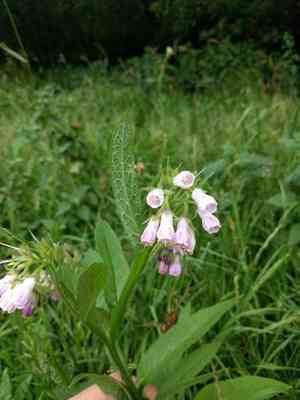
Common comfrey adds natural grace to any garden with its vibrant blooms and lush foliage. Its large, bell-shaped flowers, in shades of blue, pink, or white, inject color, brightening even the dullest garden spots. Its dense, leafy growth also provides a verdant backdrop, enhancing other plants' visual appeal. Whether planted alone or integrated into broader designs, Common comfrey can be a focal point or a complementary background element.
Brief mention of Common comfrey's growth habits
Understanding Common comfrey's growth patterns aids in its effective landscape integration. It typically grows in clumps, reaching several feet tall. It spreads quickly, making it ideal for ground cover in larger garden areas. However, its vigorous growth requires management to prevent it from overtaking other plants. Its robust nature means less concern about diseases and pests, contributing to a low-maintenance garden experience.
Incorporating Common comfrey into Various Garden Themes
Rustic and cottage-style gardens
For lovers of rustic and cottage-style gardens, Common comfrey is an ideal choice. Its wildflower-like appearance enhances the natural, informal beauty characteristic of these garden themes. Place it along borders, pathways, or as a central feature to evoke an Old World charm. Paired with classics like roses, peonies, and foxgloves, Common comfrey helps create a nostalgic, picturesque setting.
Modern, minimalistic landscapes
Despite its rustic charm, Common comfrey can also fit perfectly into modern, minimalistic landscapes. Its structured growth and defined form introduce a touch of nature without disrupting the clean lines and simplicity of contemporary designs. Use it alongside ornamental grasses and stone elements to create contrast and texture. Its subdued colors and sturdy foliage can add sophistication and organic beauty to modern yards.
Pollinator-friendly setups
If you aim to support local ecosystems, integrating Common comfrey into pollinator-friendly garden designs offers mutual benefits. The plant attracts bees, butterflies, and other beneficial insects, boosting local biodiversity. Arrange Common comfrey in clusters to form pollinator pathways, ensuring a continuous supply of nectar and pollen throughout the growing season. Combine it with other pollinator magnets like lavender and echinacea for an eco-friendly, vibrant garden.
Practical Tips for Integrating Common comfrey Effectively
Positioning Common comfrey for optimal impact
To maximize Common comfrey's visual impact in your garden, carefully consider its placement. It thrives in well-drained soil with partial shade to full sun. Avoid areas prone to waterlogging, as this can harm its health. Position Common comfrey where its height can be appreciated, perhaps at the back of flower beds or as a border plant. Its rapid growth helps it quickly become a prominent garden feature.
Combining Common comfrey with other plants
When paired with suitable plants, Common comfrey can create stunning visual effects. Complement its tall, leafy appearance with shorter plants like ground cover or low-growing perennials. Its flowers can add a burst of color when combined with plants of contrasting hues. For instance, pair Common comfrey with yellow daylilies or purple salvia for a dynamic and colorful garden display. Be mindful of its growth habit and place it next to plants that can compete without being overwhelmed.
Maintaining Common comfrey in your landscape
Maintaining Common comfrey is relatively simple due to its hardy nature. Regular pruning helps control its rapid growth and prevents it from overshadowing other plants. Remove dead or damaged foliage to keep the plant healthy. Watering needs are minimal once established, but young plants require sufficient water until they settle. Annual compost application enriches the soil, providing the nutrients Common comfrey needs to thrive.
Seasonal Considerations for Common comfrey
Best times of the year to plant Common comfrey
The ideal time to plant Common comfrey is during spring or autumn. These seasons offer moderate temperatures and ample rainfall, creating optimal conditions for establishment. Spring planting allows Common comfrey the entire growing season to root and flourish. Fall planting, conversely, enables the plant to focus on root development before winter dormancy, leading to vigorous growth in spring.
Preparing Common comfrey for different seasons
Proper preparation ensures Common comfrey thrives through all seasons. In spring, apply mulch around the base to retain moisture and suppress weeds. Summer care involves regular watering during dry spells, while autumn is for pruning diseased or damaged foliage. Winter preparation may include cutting the plant to ground level and adding mulch to protect roots from frost. These steps ensure Common comfrey returns healthy and strong each year.
Effect of seasonal changes on Common comfrey's growth
Seasonal shifts significantly influence Common comfrey's growth patterns. In spring, expect rapid growth as the plant emerges from dormancy, followed by abundant blooms. Summer heat may slightly slow its growth, but with proper care, it continues to flourish. Fall initiates a period of slowing down to prepare for winter dormancy. Understanding these patterns helps provide appropriate care and maximize Common comfrey's potential across seasons.
Environmental Impact and Sustainability of Common comfrey
Contribution of Common comfrey to local ecosystems
Common comfrey plays a crucial role in supporting local ecosystems, primarily by attracting pollinators. Its flowers offer a rich nectar source, drawing in bees, butterflies, and other insects. This pollination support helps sustain local plant populations and contributes to a healthier garden ecosystem. Additionally, Common comfrey's dense growth can prevent soil erosion, further enhancing environmental stability.
Sustainability benefits of using Common comfrey in landscaping
From a sustainability standpoint, Common comfrey is an excellent choice for eco-friendly gardening. Its hardy nature means fewer resources are needed for upkeep, such as water, fertilizers, and pesticides. Moreover, its ability to thrive in various conditions reduces the need for soil amendments. Using Common comfrey in your landscape promotes a more sustainable approach to gardening, benefiting both your garden and the planet.
Conservation considerations for planting Common comfrey
When planting Common comfrey, it's vital to consider its rapid growth and spreading habit. While this characteristic is beneficial for quickly creating a lush landscape, it can also lead to invasiveness if not managed properly. Regular monitoring and pruning can keep its growth in check, preventing it from overwhelming other plants. Understanding and managing Common comfrey's growth ensures it remains a valuable, sustainable addition to your garden without posing conservation issues.



