Enhancing Your Garden Design with the Late Lilac Plant: A Landscaping Guide
1
The Late Lilac is a adaptable plant, flourishing in diverse soil and light environments.
2
Adding Late Lilac to your garden design can establish striking central features and attractive edges.
3
Yearly maintenance is crucial for preserving the vigor and aesthetic appeal of Late Lilac.
Introducing Late Lilac in Landscape Design
Understanding the distinct features of Late Lilac
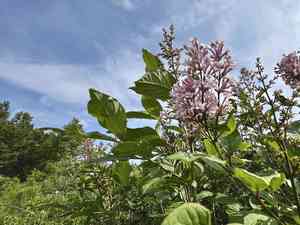
The Late Lilac is celebrated for its lovely, fragrant blossoms, which typically appear in late spring to early summer. This plant is especially cherished for its vivid hues, ranging from delicate pinks to deep purples, and occasionally white. Its foliage is equally attractive, with dark green, heart-shaped leaves that offer a rich backdrop to the striking flowers. A key characteristic of Late Lilac is its resilience â it's quite resistant to common pests and diseases, making it a low-maintenance choice for gardeners.
Why Late Lilac is a favored option for garden settings
Late Lilac is a prime selection for gardeners due to its adaptability and visual appeal. This plant can adjust to various environmental conditions and still flourish, making it suitable for diverse garden styles. Its aromatic flowers are a major draw for those aiming to add sensory charm to their garden. Furthermore, Late Lilac acts as an excellent pollinator magnet, attracting bees, butterflies, and hummingbirds to your garden, thereby supporting local biodiversity.
Optimal Locations for Planting Late Lilac
Assessing light and shade needs for Late Lilac
Late Lilac thrives best when situated in a spot that receives full sun for most of the day. However, it can also tolerate partial shade, especially in warmer climates where some afternoon shade can prevent its flowers from scorching. Ensure the chosen site gets at least six hours of direct sunlight daily to encourage optimal growth and blooming.
Ideal soil conditions for Late Lilac development
While Late Lilac is adaptable to various soil types, it grows best in well-draining soil rich in organic matter. Gardeners should aim for a soil pH that is slightly alkaline to neutral, around 6.5 to 7.5. Incorporating compost or well-rotted manure into the soil before planting can significantly boost its fertility and drainage, providing an ideal environment for Late Lilac to flourish.
How proximity to other plants impacts Late Lilac
When planting Late Lilac, it's crucial to consider its size and growth habit. This plant can grow quite large, reaching heights and widths of up to 8-10 feet, so proper spacing is essential. Providing Late Lilac with ample room to grow without overcrowding ensures it receives adequate airflow, reducing the risk of fungal diseases. Additionally, planting Late Lilac near compatible plants with similar light and water requirements can foster a harmonious garden ecosystem.
Design Principles Using Late Lilac
Creating focal points with Late Lilac
Late Lilac can serve as a stunning focal point in any garden design. Its tall stature and vibrant blooms capture attention and can act as a central element in your landscape. Plant Late Lilac in prominent positions, such as the center of flower beds or at the ends of garden paths, to emphasize its beauty. Pairing it with lower-growing plants can enhance its visual impact and create a layered effect in your garden.
Utilizing Late Lilac to enhance or establish borders
Another effective application of Late Lilac in landscaping is to create or improve garden borders. Its dense foliage and height make it an excellent natural screen or hedge. Planting Late Lilac along garden boundaries can define spaces and add privacy. Moreover, the seasonal blooms can transform a simple border into a vibrant, living wall that evolves with the seasons, offering year-round interest.
Balancing aesthetics and practical aspects with Late Lilac
When integrating Late Lilac into your landscape, it's important to balance its visual appeal with practical gardening considerations. For instance, while Late Lilac's blooms are beautiful, they can be heavy and may require staking or support. Regular pruning helps maintain its shape and encourages more abundant flowering. Strategically placing Late Lilac where its beauty can be appreciated without hindering garden maintenance activities ensures that your garden remains both beautiful and functional.
Seasonal Considerations for Late Lilac
Optimal times of year for planting Late Lilac
The best time to plant Late Lilac is during its dormant period, typically in late fall or early spring. Planting during these times allows the roots to establish before the growing season begins, giving Late Lilac a strong start. Avoid planting during the peak of summer when heat stress can hinder root development and the chances of successful transplantation.
Seasonal care advice for maintaining Late Lilac
Caring for Late Lilac involves seasonal tasks such as pruning, feeding, and watering. Prune immediately after flowering to shape the plant and remove spent blooms, which encourages better blooms the following year. During the growing season, ensure Late Lilac receives consistent moisture but avoid waterlogging the soil. A layer of mulch can help maintain soil moisture and temperature. In the fall, add a slow-release fertilizer to prepare the plant for the next growth cycle.
Integrating Late Lilac with Other Elements
Complementary plants and decorative items
To create a cohesive and attractive garden design, pair Late Lilac with complementary plants and decorations. Plants that bloom at different times can provide continuous color throughout the season. Consider underplanting Late Lilac with smaller perennials or annuals that contrast in color and texture. Garden decorations such as statues, birdbaths, or benches placed near Late Lilac can enhance the overall aesthetic and create inviting garden spaces.
Creating harmonious color schemes
When planning your garden's color scheme, use Late Lilac as a central component. Its vibrant blooms can be complemented with a palette of colors that harmonize well. For instance, pairing Late Lilac with white or yellow flowers can create a striking contrast, while soft pinks and blues can blend seamlessly for a more subtle effect. Consider the changing seasons and how the colors will evolve over time to maintain visual interest year-round.
Utilizing outdoor fixtures to enhance Late Lilac's beauty
Outdoor fixtures, such as lighting and trellises, can significantly enhance Late Lilac's beauty. Installing garden lights around Late Lilac can create a magical atmosphere in the evening, highlighting its form and blooms. Trellises or garden arches can provide structural support and add a vertical element to your garden design. Position these fixtures thoughtfully to complement rather than overshadow Late Lilac's natural beauty.



