Enhancing Your Garden Design with the Pacific yew Plant: A Landscaping Guide
1
Pacific yew provides a distinct blend of visual charm and tactile quality in landscapes.
2
Selecting an appropriate site for Pacific yew requires evaluating light exposure and ground conditions.
3
Caring for Pacific yew entails routine pruning and monitoring for signs of disease.
Exploring the Adaptability of Pacific Yew in Landscape Design
Overview of Pacific yew's visual appeal
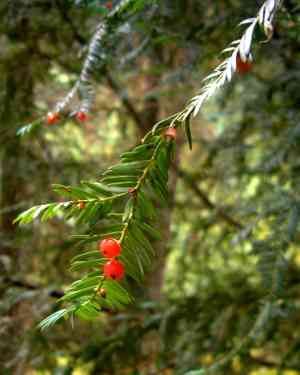
The visual charm of Pacific yew is undeniable, making it an excellent selection for diverse landscape schemes. Its graceful foliage displays a rich, green hue and a dense, compact form that adds depth to any garden. The plant's slow growth rate ensures it retains its shape and doesn't demand constant upkeep, making it an attractive choice for both seasoned and new gardeners. Moreover, Pacific yew's flexible nature allows its integration into various garden styles, from modern to traditional.
Investigating the textural elements Pacific yew contributes to gardens
Texture plays a crucial role in landscape planning, and Pacific yew excels here with its finely textured, needle-like leaves. These leaves provide a distinct, tactile quality that contrasts beautifully with broader-leaf plants, creating a visually stimulating garden. The rough, reddish-brown bark offers additional texture and interest, enhancing its visual appeal throughout the year. Combining Pacific yew with other plants of varying textures can lead to a balanced and harmonious garden environment.
Perennial beauty and seasonal transformations
Pacific yew offers continuous beauty, maintaining its lush greenery across all seasons. Unlike deciduous plants that shed their leaves, Pacific yew provides constant visual interest, making it a dependable option for evergreen landscape designs. In winter, it stands out against a snowy backdrop, and in summer, it complements surrounding blooms. Furthermore, its small red berries add a splash of color in autumn, enhancing its seasonal allure.
Optimal Placement of Pacific Yew in Your Landscape
Selecting prime locations for aesthetic impact
When positioning Pacific yew in your landscape, it's vital to choose spots where its beauty can be fully appreciated. Ideal locations include entryways, focal points within garden beds, or as solitary specimens in open areas. Placing Pacific yew near pathways or seating zones allows you to enjoy its charm up close. Avoid hidden corners or overly crowded spaces that might obscure the plant's features. By thoughtfully placing Pacific yew, you can enhance your garden's overall visual appeal.
Considering light and shade requirements
Pacific yew thrives in locations receiving partial to full shade, making it an excellent option for areas that might be too dim for other plants. While it can endure some sunlight, excessive direct sun can cause stress and diminish its vibrancy. Observing your garden's light patterns throughout the day will help identify ideal planting positions. Strategic planting in shaded areas ensures Pacific yew flourishes and maintains its vibrant green color.
Understanding soil preferences for Pacific yew
Soil quality is a critical factor for the successful growth of Pacific yew. This plant prefers well-drained, slightly acidic to neutral soils with good organic content. Heavy clay or waterlogged soils can impede its growth and health. Amending the soil with compost or organic matter before planting can improve drainage and fertility, providing an optimal growing environment. Regular soil testing helps maintain the correct pH level, ensuring your Pacific yew remains healthy and vigorous.
Design Concepts Featuring Pacific Yew
Establishing focal points with Pacific yew
One of the most effective ways to utilize Pacific yew in landscaping is by making it a central feature. Its distinctive appearance and year-round greenery command attention, making it suitable for highlighting specific areas in your garden. Planting Pacific yew in a prominent spot, such as the center of a garden bed or at the end of a garden path, draws the eye and adds a sense of depth and intrigue to the landscape.
Integrating Pacific yew into borders and hedges
Pacific yew is an excellent choice for creating natural borders or hedges. Its dense foliage provides privacy and defines boundaries seamlessly. When planted in rows, Pacific yew forms a continuous screen that can be trimmed to maintain a neat and tidy appearance. This makes it ideal for creating secluded garden rooms or buffering against wind and noise. The plant's slow growth rate means it requires minimal trimming, maintaining its shape with ease.
Complementary plants that enhance Pacific yew's impact
Pairing Pacific yew with complementary plants can amplify its visual impact. Consider plants with contrasting textures, such as broad-leafed hostas or ferns, to highlight the fine needles of Pacific yew. Flowering plants like azaleas or rhododendrons add a splash of color that complements Pacific yew's evergreen foliage. Ground covers like ivy or periwinkle can help create a lush undergrowth that accentuates the vertical nature of Pacific yew. Thoughtful combinations create a layered and visually appealing garden.
Caring for Pacific Yew in Your Garden
Practical advice on pruning for optimal growth
To keep Pacific yew looking its best, regular pruning is essential. Trimming not only maintains its shape but also encourages healthy growth. The best time to prune Pacific yew is in late winter or early spring before new growth begins. Remove any dead or diseased branches to promote vigor. Pruning should be done with sharp, clean tools to avoid damaging the plant. Regular minor trims are better than infrequent heavy cutting, ensuring Pacific yew stays dense and attractive.
Seasonal care tips to ensure year-round appeal
Different seasons bring varying care requirements for Pacific yew. In spring, a layer of mulch can help retain moisture and control weeds. During summer, ensure adequate watering, especially during prolonged dry periods. Fall is an excellent time to fertilize with a balanced, slow-release fertilizer to prepare Pacific yew for winter. Protecting the plant from harsh winter winds by using windbreaks or burlap can prevent winter burn. Year-round attention ensures Pacific yew thrives and maintains its beauty.
Early indicators of health issues to monitor in Pacific yew
Early detection of health issues in Pacific yew can prevent major problems. Watch for signs like yellowing needles, which may indicate water stress or nutrient deficiencies. The presence of pests, such as aphids or spider mites, may cause discolored or deformed leaves. Fungal infections manifest as black spots or moldy growth. Immediate action, such as adjusting watering practices, applying appropriate pesticides, or consulting a local extension service, can address these issues effectively. Regular inspection helps keep Pacific yew healthy and robust.



