Enhancing Your Garden Design with the Cape honeysuckle Plant: A Landscaping Guide
1
Tecoma capensis is a adaptable shrub suitable for diverse garden aesthetics, from structured to modern.
2
Combining Tecoma capensis with suitable companion plants can amplify its charm and establish a harmonious garden.
3
Appropriate seasonal care for Tecoma capensis guarantees its attractiveness year-round.
Introducing Cape Honeysuckle in Landscape Design
Overview of Cape honeysuckle's features and aesthetic appeal.
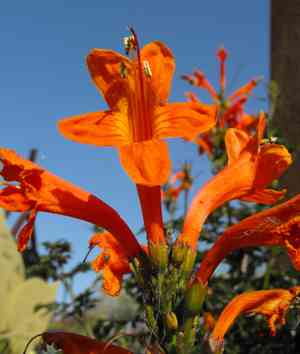
Cape honeysuckle is a striking plant recognized for its vivid orange to red tubular blossoms and shiny green leaves. This evergreen shrub can reach heights of up to 10 feet, making it a prominent element in any garden. Its dense foliage and cascading flower clusters add visual interest and create a dynamic focal point in both small and large landscapes. The plant not only attracts hummingbirds and butterflies but also provides a lush, tropical feel to garden settings.
The significance of color and structure in landscape design.
Color and form are vital components in landscaping, as they significantly contribute to the overall beauty of your garden. Cape honeysuckle's vibrant blooms can be utilized to establish contrasting color schemes and highlight specific garden areas. The plant's natural shape, with its arching branches and dense habit, adds texture and dimension. By incorporating Cape honeysuckle, you can create visually stunning compositions that enhance the beauty and interest of your outdoor space.
Integrating Cape Honeysuckle into Diverse Garden Styles
How Cape honeysuckle complements both formal and informal gardens.
Cape honeysuckle is a versatile plant that fits seamlessly into both formal and informal garden styles. In formal gardens, it can be pruned into neat shapes or used to create structured hedges and borders. Its bold colors stand out against more subdued greenery, adding a touch of drama. In informal gardens, Cape honeysuckle can be left to grow more naturally, providing a relaxed, whimsical look. Its cascading flowers and sprawling growth habit make it an excellent choice for creating a sense of movement and spontaneity.
Examples of Cape honeysuckle in cottage and modern landscapes.
In cottage gardens, Cape honeysuckle can be paired with a mix of perennials and annuals to create a charming, layered look. Its bright flowers contrast beautifully with softer tones, adding depth and vibrancy. In contemporary landscapes, Cape honeysuckle can be used as a bold statement plant, either in large containers or as a stand-alone feature. Its striking color and form can provide a modern touch to minimalist designs, adding warmth and personality to sleek, clean lines.
Pairing Cape Honeysuckle with Other Flora
Optimal companion plants for Cape honeysuckle for enhanced aesthetics.
To maximize Cape honeysuckle's visual impact, pair it with plants that have complementary colors and forms. Good companion plants include lavender, with its purple blooms and fragrant foliage, or white flowering plants like jasmine, which offer a striking contrast. Ground covers such as creeping thyme or low-growing sedums can also create an appealing base for Cape honeysuckle, highlighting its upright stature and colorful blossoms.
Contrasting Cape honeysuckle with foliage plants for equilibrium.
Balancing Cape honeysuckle's vibrant flowers with foliage plants can create a harmonious and aesthetically pleasing garden. Consider pairing it with plants that have interesting leaf shapes or colors, like hostas or ferns. The lush greenery of these plants provides a calming backdrop that allows Cape honeysuckle's flowers to truly shine. Additionally, silver-leaved plants like lamb's ear or artemisia can provide a shimmering contrast to Cape honeysuckle's deep green leaves, adding a touch of elegance and sophistication.
Seasonal Considerations for Designing with Cape Honeysuckle
Sustaining Cape honeysuckle's allure throughout the year.
To keep Cape honeysuckle looking its best throughout the year, it's important to understand its seasonal growth patterns. Pruning lightly after the winter bloom can encourage new growth and more flowers during the spring and summer. Regular feeding and watering during dry periods will also ensure the plant remains lush and vibrant. By planning for these seasonal changes, you can maintain a garden that continuously captures attention, regardless of the time of year.
Utilizing Cape honeysuckle to add winter appeal to your garden.
While many plants may lose their charm in winter, Cape honeysuckle can still offer visual interest. Its evergreen foliage provides color when many other plants have died back or lost their leaves. In warmer climates, its flowers may continue to bloom sporadically, adding a splash of color during the cooler months. By incorporating Cape honeysuckle into your garden, you can ensure that your landscape remains appealing and engaging, even in the off-season.
Maintaining Aesthetic Appeal with Cape Honeysuckle
Pruning methods for form and vitality.
Pruning is essential for maintaining the shape and health of Cape honeysuckle. Regular pruning helps control its size, encourages more prolific blooming, and prevents the plant from becoming too leggy. Start by removing any dead or damaged branches, then thin out the interior to improve air circulation. Shape the plant by trimming back overgrown shoots, aiming to maintain its natural form while keeping it neat and tidy. By following these steps, you can ensure that Cape honeysuckle remains a focal point in your garden.
Tips on placement to enhance visual impact.
Strategically placing Cape honeysuckle in your garden can significantly enhance its visual impact. Plant it near entryways or along pathways to draw attention and create a welcoming atmosphere. Positioning it against a backdrop of dark foliage or a plain wall will make its vibrant flowers stand out even more. Additionally, planting Cape honeysuckle in raised beds or containers can elevate its presence, making it a centerpiece in your garden design.



