Enhancing Your Garden Design with the Western red cedar Plant: A Landscaping Guide
1
Western red cedar fits well in city and country settings.
2
With good care, Western red cedar stays healthy and attractive all year.
3
Western red cedar provides great environmental advantages, like cleaner air and diverse wildlife support.
Appreciating the Visual Appeal of Western Red Cedar
Why is Western Red Cedar a Preferred Choice in Landscape Design?
Many landscape architects favor Western red cedar due to its graceful form, rich color, and texture. Its adaptability allows it to integrate into various garden styles, from formal layouts to wild, natural environments. Moreover, its robust nature makes it a dependable option for enhancing outdoor areas, gracefully enduring diverse climates.
Visual Characteristics: Hue and Texture
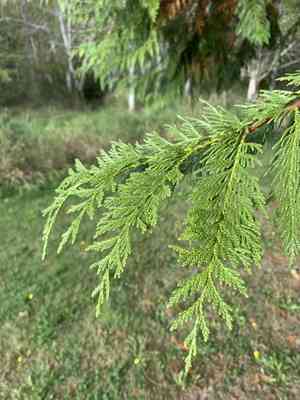
Western red cedar is renowned for its deep green foliage, which adds a vibrant touch to any garden. The texture of its leaves offers a lush, almost feathery look that can soften harsh lines in landscape design. The tree's bark also contributes a rustic charm, providing visual depth and interest to your garden throughout the year.
Seasonal Transformations and Their Visual Impact
One of the enchanting aspects of incorporating Western red cedar into your landscape is observing its seasonal changes. In spring and summer, its green tones are vibrant and full, offering a cooling visual effect. By autumn, the foliage may adopt warmer shades, seamlessly blending with the fall scenery. Winter reveals its strong structure and the bark's rich colors, ensuring your landscape maintains beauty year-round.
Integrating Western Red Cedar into Various Landscape Styles
Optimal Settings for Western Red Cedar in Urban and Rural Environments
Western red cedar is incredibly versatile, fitting well in both city and countryside settings. In urban areas, it can serve as a privacy screen or a focal point in a small garden. In rural regions, it can form part of a larger, natural-looking hedge or windbreak. Its adaptability to different soil types and conditions makes it an excellent choice regardless of the location.
Companion Plants and Features with Western Red Cedar
To maximize Western red cedar's allure, pair it with complementary plants such as perennials and shrubs that can thrive in similar conditions. Consider layering it with colorful blooms or ground cover plants to create a dynamic and engaging landscape. Incorporating elements like stone pathways or water features can further accentuate its natural beauty.
Design Recommendations for Achieving Visual Harmony with Western Red Cedar
Achieving visual balance with Western red cedar involves strategic placement and thoughtful design. Use it as a backdrop for more colorful plants, allowing its rich green hue to highlight and contrast with flowering bushes. Ensure there's ample space for Western red cedar to reach its full potential, providing sufficient distance from structures and other plants to maintain harmony in your garden.
Care Guidelines for Healthy Western Red Cedar in Landscapes
Advice on Sunlight and Watering Requirements
Western red cedar thrives best with moderate sunlight and well-drained soil. While it is a robust species, consistent watering, especially during dry spells, is vital for its growth. Aim for steady moisture, but avoid waterlogging the soil, as this can lead to root rot.
Pruning Techniques: Enhancing Appearance and Vigor
Pruning Western red cedar not only maintains its shape but also encourages healthy growth. The ideal time to prune is in early spring or late winter. Remove any dead or damaged branches to stimulate new growth and improve the plant's overall look. Regular trimming of the tips can also help manage its size and form, keeping your landscape tidy.
Seasonal Care: Preparing Western Red Cedar for Changing Conditions
Seasonal care for Western red cedar involves adjusting your maintenance routines to suit the changing weather. In winter, ensure its roots are protected with a layer of mulch. During spring and fall, check for pests or diseases and address them promptly to prevent spread. By adapting your care routine with the seasons, you can help Western red cedar flourish all year long.
Environmental Advantages of Using Western Red Cedar in Landscapes
The Role of Western Red Cedar in Local Ecosystems
Western red cedar plays a crucial role in local ecosystems by offering shelter and sustenance for various wildlife species. Birds and small mammals find refuge in its dense foliage, while insects benefit from the nutrients it provides. By incorporating Western red cedar into your landscape, you contribute to the vitality of the local ecosystem.
Improving Air Quality with Western Red Cedar
Western red cedar helps enhance air quality by absorbing pollutants and releasing clean oxygen. Its dense foliage acts as a natural air filter, capturing dust and other particulates. Planting Western red cedar around your home or in community spaces can significantly improve the air quality in those areas.
Contributions to Biodiversity by Planting Western Red Cedar
Planting Western red cedar promotes biodiversity, as it supports a wide array of flora and fauna. By adding it to your landscape, you encourage a diverse and balanced ecosystem, which is essential for ecological health. Furthermore, its resilience and robustness help it sustain this biodiversity year after year, establishing a sustainable, thriving environment.



