Enhancing Your Garden Design with the Black-eyed susan vine Plant: A Landscaping Guide
1
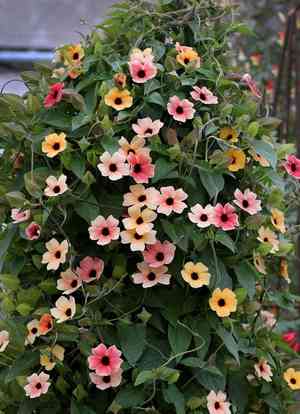
Thunbergia alata is recognized for its vivid hues and adaptable growth patterns.
2
It flourishes in both bright and partially shaded environments, allowing it to suit diverse garden locations.
3
Incorporating environmentally friendly methods with Thunbergia alata can help foster a greener garden.
Introducing Black-eyed susan vine to Your Landscape
Overview of Black-eyed susan vine's visual impact in garden design
Incorporating Black-eyed susan vine into your garden can greatly improve its aesthetic appeal. Renowned for its striking blossoms and abundant foliage, Black-eyed susan vine establishes vivid focal points and alleviates the monotony of green areas. It's an excellent selection for gardeners aiming to introduce a burst of color and visual interest. The plant's distinctive flowers can spark conversations, attracting notice and admiration from guests. Furthermore, integrating Black-eyed susan vine into your landscape can foster a sense of continuity, seamlessly connecting various garden elements.
Ideal locations in your garden for Black-eyed susan vine
Black-eyed susan vine is adaptable and can be positioned in various garden spots to maximize its visual effect. It flourishes in both full sun and partial shade, making it a flexible addition to your landscape. Consider placing Black-eyed susan vine along fences, trellises, or garden walls where it can naturally ascend and spread. It also performs well in hanging baskets or as ground cover in flower beds. When selecting a location, ensure the plant has ample room to grow and receives sufficient sunlight, though it can endure some shade.
Pairing Black-eyed susan vine with other plants for a cohesive look
For a unified garden design, combine Black-eyed susan vine with complementary plants. It integrates well with both flowering plants and rich greenery. Plants with contrasting hues, such as purple or white blooms, can enhance Black-eyed susan vine's vibrant colors, creating a visually pleasing outcome. Additionally, pairing Black-eyed susan vine with different texturesâlike succulents or grassesâcan add depth and variety to your garden. Aim to balance color and texture to prevent overwhelming the space and ensure all components harmonize beautifully.
Seasonal Considerations for Black-eyed susan vine
Best seasons to plant Black-eyed susan vine for optimal growth
Black-eyed susan vine typically thrives when planted during the warmest periods, specifically late spring to early summer. This timing allows the plant to establish itself before its peak growth phase. Planting during this window ensures Black-eyed susan vine benefits from warm soil and extended daylight hours, promoting vigorous growth and vibrant blooms. However, in milder climates, it can also be planted in the autumn to provide a splash of color during the cooler months.
How season changes affect the appearance of Black-eyed susan vine
The look of Black-eyed susan vine can change with the shifting seasons. During spring and summer, the plant is lush and covered in bright flowers, making it a garden highlight. As autumn approaches, growth may slow, and the foliage might begin to show signs of seasonal transition. In winter, if the climate is cold, Black-eyed susan vine may enter dormancy, losing its leaves but often recovering when temperatures rise. Understanding these seasonal shifts aids in garden maintenance planning and ensures Black-eyed susan vine remains a lively feature.
Preparing Black-eyed susan vine for different weather conditions
Preparing Black-eyed susan vine for varying weather conditions is vital for its longevity. During hot and dry periods, ensure the plant receives adequate water to maintain its vigor. Mulching around the base can help retain soil moisture and regulate temperature. In colder regions, consider moving potted Black-eyed susan vine indoors or using protective covers to shield it from frost. Pruning dead or damaged parts before winter can also help the plant conserve energy and encourage healthy growth when the weather warms.
Sustainable Practices with Black-eyed susan vine
Using Black-eyed susan vine in xeriscaping and eco-friendly gardening
Black-eyed susan vine can be a valuable addition to xeriscaping and environmentally conscious gardening methods. It is relatively drought-tolerant once established, making it suitable for gardens designed to conserve water. Incorporating Black-eyed susan vine into xeriscaping plans not only enhances beauty but also supports environmental sustainability by reducing the need for frequent irrigation. Its ability to flourish in less-than-ideal conditions supports a low-maintenance garden that conserves resources while offering aesthetic benefits.
Water conservation tips when growing Black-eyed susan vine
To practice water conservation while cultivating Black-eyed susan vine, employ methods such as mulching to decrease water evaporation. Drip irrigation systems can be more efficient than overhead watering, delivering moisture directly to the roots where it's most needed. Grouping Black-eyed susan vine with other drought-tolerant plants can also help create microenvironments that further reduce water usage. Regularly check soil moisture to prevent over-watering, as Black-eyed susan vine prefers slightly dry conditions once established.
Organic gardening practices with Black-eyed susan vine
Adopting organic gardening techniques enhances the growth and health of Black-eyed susan vine. Utilize organic fertilizers to supply nutrients without harmful chemicals, supporting a balanced ecosystem. Composting improves soil structure and fertility, promoting robust growth. Natural pest control methods, like introducing beneficial insects or using homemade sprays, can help manage pests without resorting to synthetic pesticides. These practices not only benefit Black-eyed susan vine but also contribute to a healthier garden environment overall.
Design Tips: Maximizing Impact with Black-eyed susan vine
Creating focal points with Black-eyed susan vine in garden landscapes
To establish striking focal points, use Black-eyed susan vine to draw attention to specific areas of your garden. Plant it in strategic locations, such as the entrance or central zones, where its vibrant flowers can capture notice. Integrating Black-eyed susan vine with garden structures like arches or pergolas can amplify its visual impact, making it a prominent feature. The contrast between the structure and the plant's lively blooms creates a balanced yet dynamic appearance.
Balancing color and texture with Black-eyed susan vine
Achieving harmony in your garden involves balancing color and texture. Black-eyed susan vine's vivid flowers can be paired with plants that have different leaf textures or subdued tones, creating an aesthetically pleasing variety. For instance, pairing Black-eyed susan vine with silver-foliaged plants or grasses adds a subtle contrast that highlights its colors without overwhelming the senses. Thoughtful combinations ensure your garden has a diverse yet cohesive appearance.
Innovative uses of Black-eyed susan vine in vertical gardening
Black-eyed susan vine is ideal for vertical gardening due to its climbing habit. Use it to cover walls, fences, or trellises, transforming bare vertical spaces into lush, vibrant areas. Vertical gardening with Black-eyed susan vine not only maximizes limited space but also introduces a new dimension to garden design. Creative installations, like hanging gardens or green walls, can make small spaces feel more expansive and visually interesting while showcasing the plant's beauty in a unique way.



