Enhancing Your Garden Design with the Creeping thyme Plant: A Landscaping Guide
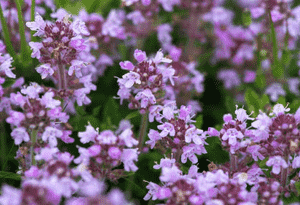
1
Creeping thyme serves as a adaptable plant suitable for diverse garden layouts.
2
Incorporating Creeping thyme promotes environmentally conscious and enduring gardening methods.
3
Creeping thyme contributes both tactile and visual appeal to your outdoor space throughout the year.
Introducing Creeping Thyme in Garden Design
Understanding Creeping Thyme's adaptability in garden layouts
For creating an attractive and practical garden, Creeping Thyme is an outstanding option. Its low-growing, spreading habit makes it a perfect ground cover, offering a rich, green alternative to typical grass. Ideal for rock gardens, between pavers, or as edging for flower beds, Creeping Thyme integrates smoothly with various landscape features. Its flexibility allows it to flourish in diverse garden styles, from formal designs to wild meadows, effortlessly suiting different aesthetic tastes.
The visual impact of Creeping Thyme across various garden themes
The delicate yet resilient appearance of Creeping Thyme adds a distinct charm to any garden theme. Its vibrant green leaves and seasonal blossoms provide a soft, natural look that enhances both modern and rustic landscapes. Whether your garden leans towards contemporary simplicity or a more traditional English cottage style, Creeping Thyme offers an elegant touch. Its capacity to fill spaces with lively greenery and bursts of flowers makes it a year-round visual asset, contributing to a unified and well-designed garden.
Creeping Thyme's Contribution to Eco-Friendly Gardening
How Creeping Thyme supports sustainable gardening methods
Incorporating Creeping Thyme into your garden significantly aids sustainable gardening practices. As a robust, drought-tolerant plant, Creeping Thyme needs minimal watering once established, conserving water and reducing upkeep time. It also provides natural erosion control on slopes and in areas prone to soil depletion. Furthermore, Creeping Thyme attracts beneficial insects like bees and butterflies, fostering a healthy ecosystem and supporting pollinator populations. By choosing Creeping Thyme, you contribute to a greener, more sustainable environment.
Advantages of using Creeping Thyme in water-wise landscaping
Xeriscaping, or landscaping designed to minimize or eliminate irrigation needs, greatly benefits from including Creeping Thyme. This plant's low water requirements make it an ideal component for creating attractive yet water-efficient gardens. Not only does it help reduce water bills, but it also lessens the need for chemical fertilizers and pesticides. Its resistance to drought and ability to thrive in less fertile soils make Creeping Thyme a prime candidate for sustainable, low-maintenance xeriscaping projects.
Adding Texture and Color with Creeping Thyme
Exploring Creeping Thyme's year-round color benefits
One of Creeping Thyme's key features is its ability to provide continuous visual interest in your landscape. During the active growing season, its foliage maintains a consistent, vibrant green, accented by small, colorful flowers that vary by type. As temperatures drop, some Creeping Thyme varieties can develop a beautiful bronze or reddish tint, enhancing the winter landscape. This year-round appeal makes Creeping Thyme an invaluable plant for gardeners aiming to maintain a lively and colorful garden throughout all seasons.
Combining Creeping Thyme with other plants for a dynamic appearance
For a more visually engaging garden, consider pairing Creeping Thyme with various other plants. Its low, spreading growth habit creates an excellent contrast to taller, more upright plants like ornamental grasses or perennials. Additionally, Creeping Thyme works beautifully alongside flowering plants, offering a lush green backdrop that makes blooms stand out. Mixing Creeping Thyme with plants of different textures, colors, and heights can create a garden that is visually captivating and rich in depth. Creeping Thyme's versatility allows it to complement and enhance the beauty of other garden plants effortlessly.
Practical Advice for Integrating Creeping Thyme into Your Landscape
Step-by-step guide for planting Creeping Thyme
Integrating Creeping Thyme into your landscape is straightforward with a few simple steps. Start by choosing a sunny location with well-drained soil. Prepare the soil by removing weeds and loosening it with a garden fork. Plant Creeping Thyme plugs or seeds, spacing them about 6-12 inches apart to allow for growth. Water the newly planted Creeping Thyme thoroughly and maintain consistent moisture until they are established, typically around 4-6 weeks. Once established, Creeping Thyme requires minimal upkeep, making it a gardener-friendly addition to any landscape.
Designing paths and borders with Creeping Thyme
Using Creeping Thyme to design pathways and borders can significantly improve your garden's structure and aesthetic. Plant Creeping Thyme between stepping stones or along path edges to create a seamless, natural transition. Its soft, cushiony feel underfoot adds a sensory element to garden strolls. For borders, Creeping Thyme acts as a natural divider, softening harsh edges and blending different garden sections. Its low-maintenance nature and ability to suppress weeds make it an ideal choice for defining spaces in a visually appealing way.
Maintaining Creeping Thyme in Your Garden
Seasonal care recommendations for Creeping Thyme
Maintaining Creeping Thyme throughout the seasons ensures it remains healthy and attractive. In spring, trim any winter-damaged foliage to encourage new growth. During the growing season, occasional watering might be needed during extended dry spells. Fertilizing is generally not required, but a light application of compost can boost growth. As autumn approaches, gently prune to maintain shape and remove any dead stems. In winter, mulching can protect roots in colder climates, ensuring Creeping Thyme returns lush and healthy in spring.
Addressing common issues faced by Creeping Thyme in landscapes
Like any plant, Creeping Thyme can encounter certain challenges in a landscape setting. Overwatering can lead to root rot, so ensuring well-drained soil and avoiding waterlogging is crucial. Pests such as aphids or spider mites can occasionally be an issue; however, maintaining garden hygiene and using organic insecticidal soap can manage infestations. Mildew might appear in humid conditions, which can be alleviated by providing adequate air circulation. Regularly inspecting your Creeping Thyme patch will help you detect and resolve issues early, ensuring a thriving and attractive landscape component.



