Enhancing Your Garden Design with the Small-leaved lime Plant: A Landscaping Guide
1
Tilia cordata offers continuous aesthetic appeal, transforming its hues and surfaces throughout the year.
2
Tilia cordata is ideal for multi-tiered landscape designs because of its inherent stature.
3
Correct positioning and care of Tilia cordata guarantee a flourishing, thriving garden environment.
The Visual Charm of Small-leaved lime
Small-leaved lime's contribution to garden color and texture
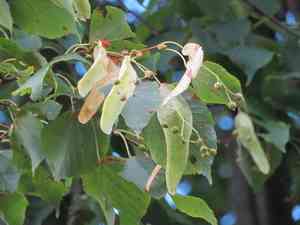
Regarding garden design, Small-leaved lime (also known as Small-leaved lime) offers a superb enhancement to both color and texture. Its leaves are petite and heart-shaped, forming a dense green foliage canopy that beautifies any garden. The deep green leaves provide a lush feel, while the bark adds a distinct texture with its smooth surface and subtle ridges. With delicate, pale yellow blossoms in spring, this plant introduces a gentle splash of color and an inviting fragrance to your outdoor space.
Seasonal transformations: How Small-leaved lime changes throughout the year
Small-leaved lime undergoes a stunning metamorphosis across the seasons. In spring, it bursts forth with vibrant green leaves and aromatic flowers. Throughout summer, its foliage remains verdant, offering shade and a cool atmosphere. By autumn, the leaves of Small-leaved lime turn a beautiful yellow, creating a picturesque scene ideal for the changing season. Winter transforms Small-leaved lime once more, showcasing its elegant bare branches that provide structure and form to your winter garden.
Height and form: Utilizing Small-leaved lime for landscape layering
The stature and structure of Small-leaved lime make it an excellent option for creating layers in landscape architecture. Typically reaching 50 to 70 feet in height, Small-leaved lime can serve as a natural backdrop or a central feature in your garden. Its impressive size adds vertical interest, allowing you to establish depth and dimension. Employ Small-leaved lime to build a layered effect by positioning shorter shrubs and perennials in front, giving your landscape a more dynamic and visually appealing look.
Selecting the Optimal Site for Small-leaved lime in Your Garden
Sunlight requirements: Best placement for Small-leaved lime
Choosing the perfect spot for Small-leaved lime in your garden begins with understanding its light needs. Small-leaved lime thrives best in locations receiving full sun to partial shade. Ideally, select an area that gets at least four to six hours of sunlight daily. The more sunlight Small-leaved lime receives, the more vibrant and healthy its foliage and blooms will be. Ensuring adequate sunlight will keep your Small-leaved lime looking lush and beautiful throughout the growing period.
Soil preferences: Optimal practices for soil preparation
Soil preparation is crucial for the successful growth of Small-leaved lime. This plant prefers well-drained, loamy soil rich in organic matter. Before planting, it's wise to test your soil's pH levels to ensure they are neutral to slightly alkaline. Incorporating compost or aged manure can help improve soil quality, supplying the essential nutrients that Small-leaved lime requires. Additionally, mulching around the base helps retain moisture and keeps the roots cool during warm weather.
Spacing considerations: How much room does Small-leaved lime need?
Proper spacing is vital when planting Small-leaved lime to ensure it has ample room to grow and flourish. Typically, you should position Small-leaved lime approximately 30 to 50 feet apart from other trees or large shrubs. This spacing allows for sufficient airflow and reduces the risk of disease spread. Adequate space also ensures that the roots have plenty of room to expand, promoting healthier growth and a more robust structure.
Integrating Small-leaved lime with Other Plants
Companion planting: What plants pair well with Small-leaved lime?
Companion planting with Small-leaved lime can enhance both its beauty and vitality. Plants such as hostas, ferns, and hydrangeas flourish in the partial shade provided by Small-leaved lime. Furthermore, ground covers like ivy or periwinkle can be planted at its base to create a lush, green carpet. These companions not only add visual appeal but also help maintain soil moisture and suppress weed growth.
Fostering biodiversity: Small-leaved lime's role in attracting wildlife
Small-leaved lime plays a significant role in boosting biodiversity in your garden by drawing in various forms of wildlife. Its flowers are a valuable nectar source for bees and other pollinators. Birds find refuge in its dense foliage, and its seeds serve as a food source for different bird species. By planting Small-leaved lime, you create a more dynamic and wildlife-friendly environment that supports a healthy garden ecosystem.
Avoiding common errors: Plants to keep away from Small-leaved lime
While Small-leaved lime can be an excellent partner to many garden plants, it's important to avoid planting it near those that demand full sunlight, as it can cast considerable shade. Plants like sunflowers or roses may not thrive in the shadow of Small-leaved lime. Additionally, be cautious about placing plants with high water needs nearby, as Small-leaved lime competes for soil moisture, potentially leading to stunted growth.
Long-Term Care and Development Considerations
Pruning techniques: Ensuring the healthy development of Small-leaved lime
Pruning is a crucial aspect of maintaining the health and appearance of Small-leaved lime. Regular pruning helps remove dead or diseased branches, promoting better air circulation and reducing the risk of fungal infections. It's advisable to prune Small-leaved lime in late winter or early spring before new growth commences. Focus on shaping the canopy, removing any crossing branches, and thinning out crowded areas. This practice encourages a robust and aesthetically pleasing structure.
Maturing gracefully: What to anticipate as Small-leaved lime ages
As Small-leaved lime matures, it becomes an even more magnificent presence in your garden. However, older Small-leaved lime trees may require additional attention, such as more frequent checks for signs of disease or stress. It's also important to monitor the soil condition and root structure as the tree grows larger. With proper care, mature Small-leaved lime trees can live for several decades, continuing to add beauty and shade to your landscape.
Addressing potential ailments: Common problems and preventative measures
Like all plants, Small-leaved lime can be susceptible to diseases and pests. Common issues include aphids, leaf miners, and fungal infections. Regularly inspecting your tree for signs of these problems can prevent them from becoming severe. Applying horticultural oil can help manage aphid infestations, while proper pruning and avoiding overhead watering can reduce the risk of fungal diseases. Ensuring your Small-leaved lime is healthy and stress-free is the best defense against potential issues.



