Enhancing Your Garden Design with the Large-leaved lime Plant: A Landscaping Guide
1
The large-leaved lime offers both aesthetic charm and ecological advantages to any setting.
2
Thoughtful placement of large-leaved lime can establish shaded zones and boost visual appeal.
3
Regular upkeep, such as trimming and managing pests, is vital for preserving the large-leaved lime's well-being.
Introducing Large-leaved Lime in Garden Design
An overview of Large-leaved Lime's aesthetic qualities and inherent charm
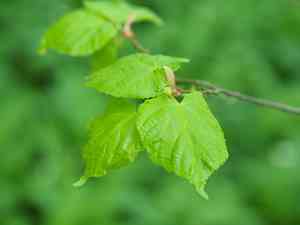
Large-leaved lime is celebrated for its sizable, heart-shaped foliage and dense crown, making it a striking feature in any landscape. With its broad leaves turning a vivid yellow in autumn, Large-leaved lime offers seasonal appeal and a sense of grandeur. The graceful arrangement of its branches and the pleasant shade it provides below make it a favorite among landscape architects.
The significance of Large-leaved Lime in historical and contemporary landscape architecture
Historically, Large-leaved lime has been a cornerstone in park and estate designs, valued for its imposing presence and shade. In modern landscaping, Large-leaved lime continues to be esteemed for its adaptability and visual allure, frequently employed in urban environments and expansive gardens to offer both beauty and ecological advantages. Its capacity to integrate seamlessly into diverse styles, from classic to modern, underscores its lasting popularity.
Optimal Planting Locations for Large-leaved Lime
Strategic placement for visual impact
To maximize Large-leaved lime's aesthetic appeal, position it where it can serve as a central feature or provide substantial shade. Placing it at a property corner or as a centerpiece in a spacious lawn can highlight its magnificence. Utilizing Large-leaved lime to border driveways or paths not only enhances visual charm but also creates an inviting and shaded route for visitors.
Considerations for space and growth potential
Large-leaved lime requires ample room to achieve its full growth, encompassing both vertical and horizontal expansion. When planting, ensure sufficient space for the canopy to spread and roots to develop. Avoid situating Large-leaved lime too close to buildings or other structures to prevent root interference and allow it to develop its natural form. Account for the mature size of Large-leaved lime to guarantee it will have the appropriate environment to flourish.
Pairing Large-leaved Lime with Other Flora
Suggestions for complementary greenery and blooms
To enhance Large-leaved lime's beauty, consider planting a mix of shrubs, perennials, and ground covers that complement its foliage. Plants like hydrangeas, hostas, and ferns thrive in the shade of Large-leaved lime, creating a lush, multi-layered appearance. Additionally, vibrant annuals can be used to add seasonal bursts of color around the tree's base, fostering a harmonious and visually pleasing garden.
Advice on color coordination and seasonal variations
When planning your garden with Large-leaved lime, consider the seasonal shifts in color and texture. In spring, early bloomers such as daffodils and tulips can brighten the landscape beneath Large-leaved lime. During summer, select plants that flourish in partial shade and possess complementary foliage colors. As autumn approaches, Large-leaved limeâs yellow leaves can be beautifully contrasted with late-blooming asters and ornamental grasses, creating a dynamic and colorful display.
Managing Growth: Trimming and Size Control
Pruning methods for ideal shape and vitality
Pruning is crucial for maintaining Large-leaved lime's form and health. Regularly remove dead or diseased branches to prevent the spread of pests and illnesses. Thinning the canopy allows light and air to penetrate, promoting overall tree vigor. Pruning should be performed in late winter or early spring before new growth commences. Shaping the tree through selective trimming enhances its natural form and ensures strong structural integrity.
Strategies to manage spread and height
To control Large-leaved lime's spread and height, consistent pruning is essential. Crown reduction techniques can be employed to limit vertical growth without compromising the tree's inherent beauty. Similarly, strategic cutting back of lateral branches helps manage the treeâs width. If Large-leaved lime is planted in a restricted area, it may necessitate more frequent pruning to maintain a suitable size and prevent it from overshadowing other plants or structures.
Long-Term Care and Maintenance Guidelines
Regular practices for sustained growth and robustness
To keep Large-leaved lime thriving, establish a routine care regimen that includes watering, mulching, and fertilizing. During dry spells, deep watering ensures the roots receive adequate moisture. Mulching around the base helps retain soil moisture and suppress weeds. Fertilize in early spring with a balanced, slow-release fertilizer to support healthy growth throughout the growing season.
Addressing common pests and diseases
Large-leaved lime can be susceptible to pests such as aphids and caterpillars, as well as diseases like powdery mildew and canker. Regularly inspect the tree for signs of infestation or infection. Natural predators, neem oil, and insecticidal soaps can help manage pests. Fungicides may be necessary for severe fungal infections. Maintaining tree health through proper care can reduce the risk of severe pest and disease issues.



