Enhancing Your Garden Design with the Virginia spiderwort Plant: A Landscaping Guide
1
Virginia spiderwort is a hardy and attractive plant capable of flourishing in diverse garden environments.
2
Virginia spiderwort complements numerous other plants, providing excellent adaptability for garden layouts.
3
Appropriate seasonal attention and upkeep are crucial for maintaining Virginia spiderwort's health and beauty year-round.
Introducing Virginia Spiderwort in Landscape Design
Exploring the visual appeal of Virginia spiderwort
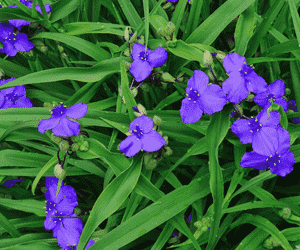
To elevate your garden's charm, Virginia spiderwort is an excellent choice that consistently impresses. Renowned for its striking purple-blue blooms and grass-like leaves, it adds a distinct allure to any garden. Its vibrant hues offer a lovely contrast against other plants' green backdrop, making it a prominent feature. Furthermore, its delicate flowers and soft texture lend an air of sophistication, making your garden appear more refined and thoughtfully arranged.
Why Virginia spiderwort is a versatile option for various garden styles
A key reason gardeners appreciate Virginia spiderwort is its adaptability. Whether you have a classic English garden, a minimalist modern space, or a wild, natural landscape, Virginia spiderwort integrates seamlessly. Its capacity to flourish in diverse light conditionsâfrom full sun to partial shadeâmakes it a flexible choice for different garden areas. Moreover, it can adapt to various soil types, ensuring that wherever you decide to plant it, it will likely thrive and enhance your outdoor space.
Integrating Virginia Spiderwort into Your Garden Layout
Selecting the ideal spot for Virginia spiderwort
Choosing the appropriate location in your garden for Virginia spiderwort is vital for its growth and development. Ideally, plant it in areas that receive morning sun and some afternoon shade. This ensures sufficient light for blooming without scorching from midday sun. Additionally, confirm the soil is well-drained to prevent root rot. By placing Virginia spiderwort in a spot that meets its light and soil needs, you'll set the stage for a healthy and vibrant display.
Companion plants for Virginia spiderwort: Boosting visual impact
Enhance your garden's aesthetic appeal by strategically pairing Virginia spiderwort with complementary plants. Consider ferns, hostas, and coral bells, which provide contrasting foliage and harmonious colors. These combinations not only improve visual appeal but also create a more textured and layered look in your garden. When choosing companions, focus on those with similar growing conditions to ensure both Virginia spiderwort and its partners flourish together harmoniously.
Creating focal points with Virginia spiderwort
If you aim to establish captivating focal points in your garden, Virginia spiderwort can serve as an excellent centerpiece. Due to its unique appearance, it can be planted in clusters or as a solitary standout in garden beds or containers. Consider surrounding it with ground cover plants or using it as a vertical accent alongside lower-growing species. By thoughtfully incorporating Virginia spiderwort into your garden design, you can draw attention to specific areas and create a more dynamic and engaging landscape.
Seasonal Considerations for Virginia Spiderwort
Optimal planting times for Virginia spiderwort to ensure robust growth
For best outcomes, plant Virginia spiderwort in early spring or early fall. During these periods, cooler temperatures and increased moisture levels aid the plant in establishing roots and adapting to its new environment. Avoid planting during peak summer when heat stress can hinder growth or in late fall when the plant might not have sufficient time to establish before winter. By planting at optimal times, you ensure Virginia spiderwort has the best chance to grow strong and thrive.
Preparing Virginia spiderwort for changing seasons
As seasons shift, so do the care requirements for Virginia spiderwort. In autumn, consider mulching around the plant's base to help retain moisture and shield roots from freezing temperatures. During winter, ensure Virginia spiderwort is not exposed to harsh, drying winds by using barriers or windbreaks if necessary. In spring, remove dead foliage to encourage new growth and consider fertilizing with a balanced, slow-release fertilizer for a strong start. By adjusting your care routine seasonally, you can maintain Virginia spiderwort's health year-round.
Long-Term Care Advice for Virginia Spiderwort
Pruning and maintenance for extended vitality and beauty
Regular pruning is crucial for maintaining Virginia spiderwort's health and appearance. Deadhead spent flowers to encourage continuous blooming throughout the growing season. In late winter or early spring, cut back foliage to about six inches above ground level to promote fresh growth. Additionally, periodically inspect the plant for any signs of disease or pests and address these issues promptly. Consistent maintenance ensures Virginia spiderwort remains vibrant and continues to be a beautiful addition to your garden.
Addressing common issues when cultivating Virginia spiderwort
Like any plant, Virginia spiderwort can encounter certain challenges, such as pests, diseases, or environmental stress. Common problems include fungal infections from overly wet conditions and snails or slugs attacking leaves. To manage pests, consider natural deterrents like diatomaceous earth or organic slug pellets. Monitor weather patterns and adjust watering schedules to prevent excessively moist soil. By being proactive and attentive, you can minimize these challenges and keep Virginia spiderwort thriving.



