Enhancing Your Garden Design with the Snowflake tree Plant: A Landscaping Guide
1
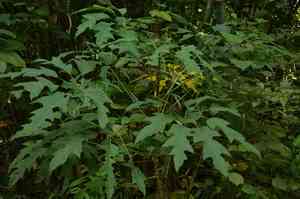
The distinctive foliage of the Snowflake tree adds a unique visual charm to any landscape.
2
The Snowflake tree thrives in diverse climates and soil conditions, offering broad regional suitability.
3
Its low-maintenance nature positions the Snowflake tree as an ideal option for time-constrained gardeners.
Why Select Snowflake Tree for Your Garden?
Distinctive foliage offers aesthetic appeal
Snowflake tree is renowned for its peculiar leaf form, which can introduce a singular visual charm to your garden. Its leaves are frequently characterized as deeply lobed, resembling a snowflake, which can set your garden apart from others nearby. This special trait makes Snowflake tree more than just a plant; it's a focal point.
Adapts to various climates and soil types
A notable characteristic of Snowflake tree is its capacity to endure diverse climatic conditions and soil compositions. Regardless of whether your soil is sandy, loamy, or even clay, Snowflake tree can flourish provided it's situated in a well-draining spot. This adaptability makes it an excellent choice for different regions and gardening arrangements.
Low upkeep for busy gardeners
In today's fast-paced world, many gardeners seek plants that demand minimal care, and Snowflake tree perfectly meets this need. Once rooted, it requires only occasional watering and trimming. Its resistance to pests and diseases also means you won't frequently need to apply pesticides or fungicides, saving both time and effort.
Optimal Locations for Planting Snowflake Tree
Under partial shade conditions
Snowflake tree thrives best when planted in partial shade, which shields it from intense heat while still providing sufficient light for photosynthesis. This makes it suitable for areas beneath large trees, pergolas, or other lightly shaded spots in your garden.
Areas with well-drained soil
Well-draining soil is vital for the vitality of Snowflake tree. Ensure the planting site isn't prone to water accumulation. If your garden soil is dense, consider enriching it with organic matter like compost to enhance drainage. Elevated beds can also be a good option for ensuring proper water runoff.
Spaces allowing for ample growth
Snowflake tree can attain a considerable size; therefore, it's crucial to plant it where there's sufficient room for its branches and roots to expand. Avoid positioning it too close to buildings or other structures that could impede its development. Planning for its mature dimensions will help prevent future crowding and ensure a healthy landscape.
Companion Plants for Snowflake Tree
Plants that flourish in similar environments
When choosing companion plants for Snowflake tree, select those that thrive in comparable conditions of partial shade and well-draining soil. Ferns and hostas are excellent companions, as they both enjoy similar growing environments and can enhance the lush, green appearance of your garden.
Consider color and texture for visual impact
For an appealing garden design, take into account the color and texture of neighboring plants. Plants with contrasting foliage, such as the delicate fronds of ferns or the broad leaves of hostas, can create a striking visual display when paired with the unique leaves of Snowflake tree.
Avoid overly competitive species
While planning your landscape, refrain from planting overly aggressive species near Snowflake tree. Plants that grow vigorously can overshadow or compete with Snowflake tree for nutrients and light. Selecting companion plants with a compatible growth rate ensures that each plant can thrive without harming the other.
Seasonal Care Advice for Snowflake Tree
Mulching strategies for various seasons
Mulching is crucial for maintaining soil moisture and temperature around Snowflake tree. During warmer months, use organic mulch like straw or bark to keep roots cool and retain hydration. In winter, a thicker layer of mulch can safeguard the plant from frost damage. Regularly replenishing the mulch helps sustain its effectiveness.
Watering schedules to encourage robust growth
Appropriate watering is essential for the healthy development of Snowflake tree. While the plant is establishing, consistent watering is vital. Once mature, Snowflake tree generally requires water only during dry spells. Always water deeply and ensure the soil can dry out somewhat between waterings to prevent root rot.
Fertilizers that support Snowflake Tree's specific needs
Nourishing Snowflake tree with the correct fertilizers can promote strong growth and vibrant foliage. A balanced, slow-release fertilizer applied in spring can supply essential nutrients throughout the growing season. Organic fertilizers such as compost tea or well-rotted manure are also beneficial and support soil health.



