Enhancing Your Garden Design with the White trillium Plant: A Landscaping Guide
1
White trillium flourishes in low-light environments, ideal for forest-like garden settings.
2
White trillium blooms are conspicuous in springtime, offering initial seasonal vibrancy.
3
Incorporating White trillium into your outdoor space can boost regional ecological variety.
Introducing White Trillium in Landscape Design
Appreciating the visual appeal White Trillium adds to gardens and parks.
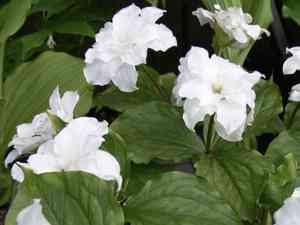
Integrating White Trillium into your outdoor design brings a distinct and refined touch. Its pure white blossoms, coupled with its unique three-petal form, establish a striking focal point in any garden or park setting. Its inherent beauty elevates the overall look, drawing attention and fostering a sense of calm and allure. Perfectly suited for shaded spots, White Trillium can transform a drab area of your yard into a charming and peaceful retreat.
The ecological benefits of incorporating White Trillium into your landscape.
Beyond its visual charm, White Trillium plays a vital role in supporting local ecosystems. As a native species, it offers crucial habitat and sustenance for indigenous wildlife, including pollinators like bees and butterflies. Moreover, White Trillium aids in preserving soil health and preventing erosion, contributing to a more sustainable garden environment. Adding White Trillium to your landscape not only beautifies your space but also promotes ecological balance and biodiversity.
Choosing the Optimal Site for White Trillium
Ideal soil conditions for White Trillium to flourish.
White Trillium thrives in well-drained, humus-rich soil. It particularly favors environments that mimic its natural woodland habitat. When selecting a spot in your garden, aim for areas where the soil is fertile and has a slightly acidic to neutral pH. Soil enriched with organic matter, such as compost or leaf mold, can significantly boost the growth and health of White Trillium. Regular soil analysis can also assist in monitoring and maintaining the perfect conditions for this plant.
Sunlight and shade preferences of White Trillium.
A key consideration when planting White Trillium is its preference for shaded or partially shaded locations. This plant flourishes in filtered sunlight, similar to what it would receive beneath a forest canopy. It's crucial to avoid planting White Trillium in direct sunlight, as excessive exposure can lead to leaf scorch and stunted growth. Ideal spots include under deciduous trees or in areas that get morning sun followed by afternoon shade.
Considerations for spacing and arrangement in the landscape.
When planning your landscape, it's essential to think about the spacing and grouping of White Trillium. To achieve a natural and harmonious look, plant White Trillium in clusters rather than as isolated specimens. This mimics their natural growth patterns in the wild. Ensure each plant has ample room for root development and growth without competition. A spacing of approximately 12 to 18 inches between plants is often recommended to allow for healthy growth and air circulation, reducing disease risk.
Companion Plants for White Trillium
Best companion plants for White Trillium and their advantages.
Pairing White Trillium with other shade-loving plants can create a cohesive and aesthetically pleasing garden space. Excellent companions include ferns, hostas, and other woodland plants that naturally coexist with White Trillium in their native environments. These plants not only complement the beauty of White Trillium with diverse textures and colors but also help establish a more robust and sustainable garden ecosystem. They can enhance overall soil health and provide additional wildlife habitat.
Creating biodiversity havens with White Trillium.
By thoughtfully integrating White Trillium with other native plants, you can establish biodiversity hotspots in your garden. These areas support a variety of local wildlife, including insects, birds, and small mammals, fostering a dynamic and balanced ecosystem. Planting a mix of flowering plants, shrubs, and ground covers alongside White Trillium encourages pollinator activity and naturally controls pests. This approach not only enhances your landscape's beauty but also contributes to your area's ecological well-being.
Seasonal Highlights for Featuring White Trillium
When is White Trillium most visually impressive?
White Trillium is most visually striking during spring, when its delicate white flowers are in full bloom. This period typically lasts for several weeks, offering a stunning display that signals spring's arrival. To extend your garden's visual interest, consider planting a variety of species that bloom at different times of the year. This strategy ensures there's always something in bloom, maintaining your landscape's aesthetic appeal throughout the seasons.
Preparing the landscape to showcase White Trillium across seasons.
Preparing your landscape to highlight White Trillium throughout different seasons involves strategic planning and planting. In the fall, ensure the area around White Trillium is cleared of fallen leaves and debris to prevent mold and pests. In winter, applying a mulch layer can protect the rhizomes from frost damage. Incorporating evergreens and late-blooming perennials around White Trillium can keep your garden vibrant even when White Trillium is not in bloom. This planning not only enhances your garden's year-round appeal but also ensures White Trillium's health and vitality.
Maintaining the Beauty of White Trillium in Your Landscape
Simple care tips to boost the longevity and vigor of White Trillium.
To preserve the beauty and health of White Trillium, consistent maintenance is essential. Ensure the soil remains moist, especially during dry periods, but avoid waterlogging. Applying a layer of mulch can help retain soil moisture and regulate temperature. Regularly remove weeds that compete for nutrients and monitor for any signs of pests or disease. Removing spent blooms can also encourage healthier growth and a neater appearance.
Addressing common issues faced by gardeners with White Trillium.
Gardeners may encounter several challenges when growing White Trillium, including pest infestations and fungal diseases. Slugs and snails are common pests that can damage leaves. Using organic slug deterrents and maintaining garden cleanliness can reduce these threats. Additionally, ensuring good air circulation around the plants can help prevent fungal issues. If fungal problems arise, consider using natural fungicides and promptly removing affected plant parts. Regularly checking your plants' health can ensure quick action and continued vitality.



