Enhancing Your Garden Design with the Water gum Plant: A Landscaping Guide
1
Water gum provides both visual appeal and practical advantages to any landscape plan.
2
Thoughtfully placing Water gum can greatly improve your garden's attractiveness and equilibrium.
3
Water gum is recognized for its hardiness and capacity to flourish alongside compatible flora, making it a superb option for varied environments.
Introducing Water Gum in Landscape Design
Exploring Water Gum's unique features that enhance landscape appeal
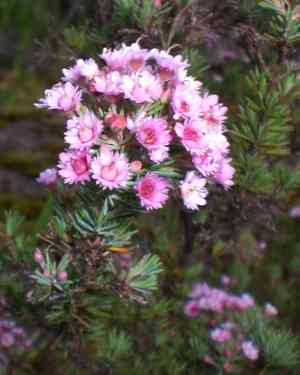
Water gum's distinct traits, such as its shiny leaves, striking bark, and fragrant blooms, make it an excellent choice for landscaping. Its evergreen nature provides year-round visual interest, and its tolerance for various soil types adds to its adaptability.
Understanding Water Gum's growth patterns and their impact on garden layouts
Knowing Water gum's moderate to rapid growth rate helps in planning its garden placement. It typically reaches 8-15 meters in height, offering ample shade and serving as a natural screen without overshadowing smaller plants.
Strategic Placement of Water Gum in Your Landscape
Selecting the ideal spot for Water Gum to complement existing structures and plants
To maximize Water gum's qualities, position it where its full beauty can be appreciated, such as near patios or along pathways. Ensure it has sufficient room to reach its full size without crowding other plants or structures.
Advantages of using Water Gum as a central feature in garden designs
Utilizing Water gum as a garden focal point can create a natural anchor for your design. Its impressive stature and vibrant foliage draw attention, making it a natural centerpiece in both modern and traditional landscapes.
Integrating Water Gum with Other Plant Species
Companion plants that flourish alongside Water Gum
Choose plants that complement Water gum's characteristics and thrive in similar conditions. Ferns, grasses, and flowering perennials work well, enhancing visual appeal and creating a diverse yet harmonious plant community.
Design suggestions for creating cohesive plant groupings with Water Gum
When arranging plants with Water gum, consider varying heights, textures, and colors to create layers and depth. Employ underplanting techniques to utilize the lower canopy, and ensure adequate spacing to prevent overcrowding.
Seasonal Considerations for Water Gum
What to anticipate from Water Gum during different seasons
Water gum offers seasonal variation with its flowering cycle and leaf coloration. In spring and summer, expect vibrant blooms, while autumn and winter highlight its bark and foliage, maintaining visual interest throughout the year.
Adjusting your landscape care to meet Water Gum's seasonal requirements
Adapting your garden care routine to suit Water gum's seasonal needs ensures its continued health. Regular pruning, sufficient watering during dry periods, and seasonal fertilization keep the plant thriving year-round.
Long-Term Benefits of Incorporating Water Gum in Your Landscaping
Durability and resilience of Water Gum in various climates
Water gum is renowned for its durability and resilience, making it suitable for a range of climates. Its ability to withstand diverse weather conditions and soil types means it will continue to flourish with minimal intervention.
How Water Gum contributes to your garden's ecological balance
Including Water gum in your garden fosters ecological balance by providing habitat and food for local wildlife. Its flowers attract pollinators like bees and butterflies, while its dense foliage offers shelter for birds and beneficial insects.



