Enhancing Your Garden Design with the Slippery elm Plant: A Landscaping Guide
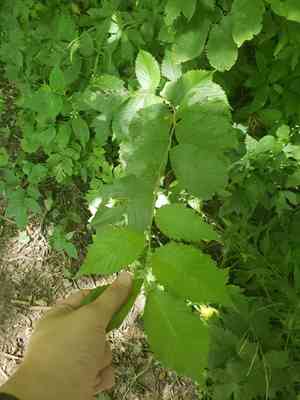
1
Slippery elm offers superb shade and protection for your outdoor space.
2
Selecting the appropriate site is vital for the robust development of Slippery elm.
3
Regular maintenance guarantees Slippery elm flourishes in your garden setting.
Understanding the Role of Slippery elm in Landscaping
Why Choose Slippery elm for Your Landscape?
Opting for Slippery elm in your landscape can enhance your garden's overall look and function. This hardy tree adapts well to various climates and soil types, making it a versatile choice for many homeowners. Furthermore, Slippery elm stands out with its strong trunk and broad canopy, offering ample shade and boosting your garden's visual appeal. Its historical importance and unique bark texture also add to its charm and distinctiveness in a garden setting.
The Aesthetic Benefits of Slippery elm
Aesthetically, Slippery elm provides several advantages that can elevate your garden's appearance. Its vibrant green leaves create a lush backdrop, particularly in spring and summer. As seasons change, the foliage transforms into beautiful yellow or gold hues, adding seasonal interest to your landscape. This dynamic color shift can make your garden visually appealing year-round. Additionally, the imposing presence of Slippery elm can serve as a focal point or a natural border within your garden, giving it a structured yet organic feel.
How Slippery elm Benefits the Local Ecosystem
Slippery elm isn't just for looks; it also plays a vital role in supporting local ecosystems. This tree offers a home for various bird species, insects, and small animals, contributing to biodiversity. Its flowers attract pollinators like bees and butterflies, promoting pollination in your garden. Moreover, Slippery elm's leaves and roots improve soil health by adding organic matter and preventing erosion. This tree also captures carbon, helping to mitigate climate change impacts in urban areas.
Best Practices for Incorporating Slippery elm into Your Yard
Selecting the Ideal Location for Slippery elm
Choosing the correct spot for planting Slippery elm is crucial for its growth and longevity. This tree thrives in well-draining soil and prefers a sunny to partially shaded location. Ensure the site has sufficient room for Slippery elm to reach its full size, as it can grow quite tall and wide. Avoid planting it too close to buildings or other trees to prevent overcrowding and potential root damage. Proper site selection will ensure your Slippery elm remains healthy and strong for many years.
Companion Plants that Enhance Slippery elm's Growth
Companion planting can greatly benefit Slippery elm's growth and vitality. Consider planting shade-loving plants such as hostas, ferns, and groundcovers that can flourish under Slippery elm's canopy. Additionally, native shrubs and perennial flowers can complement Slippery elm's aesthetic while attracting beneficial insects and birds. These companion plants can also help retain soil moisture and reduce weed growth, creating a supportive environment for Slippery elm. Thoughtful companion planting can transform your garden into a cohesive and thriving ecosystem.
Design Tips for a Harmonious Landscape
Integrating Slippery elm into your landscape design requires careful planning to ensure harmony and balance. Begin by identifying the focal points in your garden and consider Slippery elm's placement accordingly. Its size and shape can complement various garden styles, from modern to rustic. Use Slippery elm as a natural divider or backdrop to create distinct garden zones. Surround it with a mix of shrubs, perennials, and groundcovers to add layers and textures to your garden. Remember to leave ample space for pathways and seating areas to create a welcoming and functional landscape.
Pros and Cons of Using Slippery elm in Your Garden
Advantages of Planting Slippery elm
There are many benefits to planting Slippery elm in your garden. First, its sturdy structure and dense canopy provide excellent shade, making your outdoor space more comfortable during hot summer days. Second, Slippery elm is relatively low-maintenance once established, requiring minimal watering and pruning. It also improves soil quality and provides a habitat for various wildlife species. Its aesthetic appeal and seasonal color changes make it a beautiful addition to any landscape.
Potential Drawbacks to Consider
While Slippery elm offers numerous advantages, there are some potential downsides to consider. A primary concern is its susceptibility to certain pests and diseases, which can impact its health and lifespan. Additionally, due to its size, Slippery elm may require significant space, and its roots could potentially interfere with underground utilities or structures if planted too close. Regular monitoring and maintenance are necessary to ensure Slippery elm remains healthy and doesn't cause any issues for your property.
Maintaining Slippery elm in Your Landscape: Best Practices
Routine Checks and Basic Maintenance Tips
To keep Slippery elm healthy, regular inspections and basic maintenance are essential. Check for signs of pest infestations or diseases and take prompt action if needed. Prune dead or diseased branches to encourage healthy growth and improve air circulation. Watering should be consistent but not excessive, especially during dry spells. Mulching around the base of Slippery elm can help retain soil moisture and regulate temperature. These simple steps can ensure your Slippery elm thrives and remains an attractive feature in your garden.
Seasonal Care Adjustments
Each season brings different care requirements for Slippery elm. In spring, focus on mulching and providing adequate water as new growth begins. Summer may require extra watering during dry periods. Fall is the time to prune and clear fallen leaves to prevent fungal issues. In winter, protect young Slippery elms from frost damage by wrapping the trunk or applying mulch around the base. Adapting your care routine to seasonal changes will help Slippery elm stay healthy and resilient throughout the year.



