Enhancing Your Garden Design with the Purpletop vervain Plant: A Landscaping Guide
1
Purpletop vervain flourishes in bright areas with soil that drains effectively.
2
Purpletop vervain offers height and draws beneficial insects to your outdoor space.
3
Consistent trimming and removal of spent flowers can prolong Purpletop vervain's flowering time.
Introducing Purpletop Vervain to Your Outdoor Space
Understanding Purpletop Vervain's Growth Habits
Purpletop vervain grows as an upright perennial, typically reaching 3 to 6 feet in height. Its sparse, slender stems give it an open, transparent quality, making it ideal for adding elevation without obstructing views. Knowing its growth pattern aids in layout planning and ensures ample room for flourishing without overshadowing nearby plants.
Selecting the Optimal Site for Purpletop Vervain
The best location for Purpletop vervain in your garden is one that receives full sunlight, as this plant thrives with at least six hours of daily sun exposure. Given its tall and slender form, Purpletop vervain works well at the rear of borders or in the center of garden beds. It's also perfect for integrating into meadow-style planting schemes where it can sway gracefully among other flowering perennials.
Soil Preferences for Peak Performance
Purpletop vervain prefers well-drained soil and can tolerate various soil types, from sandy to clay. However, optimal growth occurs in moderately fertile soil with good moisture retention. To ensure ideal soil conditions, consider incorporating organic matter like compost before planting, and maintain a light mulch layer to keep roots cool and moist during warm weather.
Design Principles Utilizing Purpletop Vervain
Crafting Appealing Color Palettes
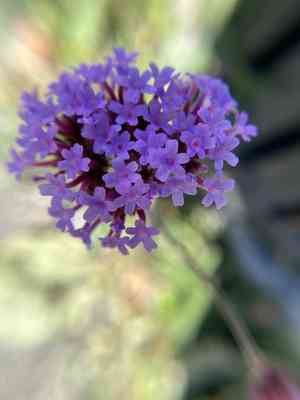
Incorporating Purpletop vervain into your garden can introduce a vibrant purple hue to your landscape. It pairs beautifully with plants featuring contrasting or complementary colors. For instance, combine Purpletop vervain with yellow or orange blooms for a striking color contrast, or pair it with blues and pinks for a more harmonious blend. Its tiny, clustered flowers can serve as an attractive backdrop for larger, bolder blossoms.
Balancing Verticality and Structure
The tall, airy structure of Purpletop vervain can add vertical interest and architectural height to any garden design. When planning your garden layout, use Purpletop vervain to create a layered effect, with taller plants at the back and shorter ones in the front. Its height also allows it to function as a light, delicate screen, providing structure without appearing dense or heavy.
Companion Planting Concepts with Purpletop Vervain
Purpletop vervain makes an excellent companion plant because it doesn't aggressively compete for sunlight or space. It blends well with other pollinator-friendly plants like echinacea, lavender, and bee balm. This attracts a diverse array of pollinators, enhancing your garden's biodiversity. Its airy nature also ensures it offers structural support to plants that may need a little help staying upright.
Long-Term Care for Purpletop Vervain in Gardens
Seasonal Maintenance Advice
To keep Purpletop vervain looking its best throughout the seasons, proper care is essential. In early spring, prune any dead stems to encourage new growth. During the active growing season, regular deadheading can help extend the blooming period. In late fall, after the first frost, cut back the stems to ground level to prepare the plant for winter dormancy.
Addressing Common Issues
A common challenge with Purpletop vervain is its susceptibility to powdery mildew, especially in humid climates. To mitigate this, ensure good air circulation around the plants by avoiding overcrowding and watering at the base to keep foliage dry. Another issue might be leggy growth in too much shade, so maintaining its preferred sunny position is crucial.
Renewal and Upkeep Strategies
Though Purpletop vervain is a hardy perennial, it benefits from periodic renewal. Every few years, consider dividing larger clumps to rejuvenate the plant and encourage vigorous growth. This is best done in early spring when the plant is just beginning to emerge from dormancy. Additionally, amending the soil with compost annually can provide the necessary nutrients for robust growth.



