Enhancing Your Garden Design with the Sweet violet Plant: A Landscaping Guide
1
Sweet violet provides a distinct combination of aesthetic appeal and environmental advantages.
2
Sweet violet flourishes across different seasons, making it a flexible inclusion for any garden.
3
Thoughtful design and upkeep can assist you in optimizing the visual and ecological contribution of Sweet violet.
Why Opt for Sweet Violet in Your Garden?
Understanding the visual appeal of Sweet violet
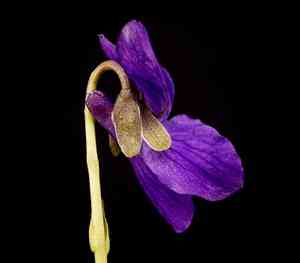
A primary reason to incorporate Sweet violet into your garden is its undeniable visual charm. Sweet violet produces delicate, fragrant blossoms that add a touch of grace and vibrancy to any garden area. Its subtle beauty can foster a calm and welcoming atmosphere, enhancing your landscape's aesthetic. Whether used in borders, rock gardens, or as ground cover, Sweet violet serves as a versatile plant that complements various garden styles, from classic to contemporary.
Seasonal adaptability of Sweet violet across different environments
Sweet violet is renowned for its ability to flourish through various seasons, making it a dependable plant for year-round interest. It typically flowers in early spring, bringing vivid color after the bleak winter months. Some varieties may also offer sporadic blooms throughout the growing period. This resilient plant can adjust to diverse environmental conditions, making it a suitable choice for gardens in mild to colder climates. Its capacity to endure different weather patterns ensures your garden remains visually appealing for extended durations.
Advantages of Sweet violet beyond aesthetics: ecological benefits
Beyond its visual appeal, Sweet violet offers several ecological benefits that improve garden health and biodiversity. It attracts beneficial insects such as pollinators, including bees and butterflies, which aids in the pollination of other plants in your garden. Additionally, Sweet violet can function as a ground cover, reducing soil erosion and enhancing soil health through its root system. By integrating Sweet violet into your garden, you not only create a picturesque landscape but also contribute to a more sustainable and ecologically balanced environment.
Designing Your Garden Space with Sweet Violet
Initial considerations before planting Sweet violet
Before planting Sweet violet, it's crucial to assess your garden's specific requirements and how this plant will integrate into your overall landscape design. Evaluate the soil condition, sunlight exposure, and moisture levels in the areas where you intend to introduce Sweet violet. This plant prefers well-drained soil and partial to full shade, though it can tolerate some sun. Ensuring the right conditions will help Sweet violet thrive and maintain its health throughout the growing season.
Companion plants that flourish alongside Sweet violet
When designing your garden with Sweet violet, consider pairing it with complementary plants that thrive under similar conditions. Plants like hostas, ferns, and other shade-loving perennials make excellent companions. These combinations can create a layered and textured garden bed that enhances the visual interest and ecological balance of your garden. By carefully selecting plants that complement Sweet violet, you can achieve a harmonious and attractive garden landscape.
Layout concepts incorporating Sweet violet for maximum impact
To maximize the impact of Sweet violet in your garden design, experiment with various layout ideas. Consider using Sweet violet as ground cover around the base of larger shrubs or trees to create a lush, carpet-like effect. Alternatively, plant Sweet violet in clusters or drifts along garden paths or borders to draw the eye and add a pop of color. The key to a successful layout is creating balance and continuity, ensuring that Sweet violet integrates seamlessly with other elements of your garden.
Maintaining Sweet Violet in Your Landscape
Seasonal care guidelines for Sweet violet
Proper upkeep of Sweet violet is vital to ensure its longevity and continuous blooming. Regular watering during dry periods, mulching to retain soil moisture, and occasional fertilization will keep Sweet violet healthy. In the fall, consider trimming back the foliage to encourage new growth in the spring. Additionally, monitor for any signs of diseases or pests throughout the year and take prompt action to address these issues.
Managing the spread of Sweet violet to preserve design aesthetics
While Sweet violet is relatively low-maintenance, it may spread to unwanted areas. To maintain your garden's intended design aesthetics, periodically check its growth and prune excess shoots. Consider using barriers or edging to contain its spread within desired boundaries. Regularly updating the layout and structure of your garden will ensure that Sweet violet continues to enhance rather than overwhelm your landscape.
Common Issues and Solutions With Sweet Violet
Addressing typical pests and diseases affecting Sweet violet
Like any plant, Sweet violet can be susceptible to pests and diseases. Common issues include aphids, slugs, and fungal infections. To address these challenges, regularly inspect your plants and use natural or chemical treatments as needed. Introducing beneficial insects like ladybugs can help control aphid populations, and maintaining proper air circulation will reduce the risk of fungal diseases. Early intervention is key to keeping Sweet violet healthy.
Strategies for managing overgrowth and ensuring plant longevity
Managing overgrowth is crucial to ensure that Sweet violet remains a beneficial part of your garden. Regular pruning and thinning out crowded areas will promote healthier growth and prevent the plant from becoming invasive. Additionally, dividing and replanting Sweet violet every few years can rejuvenate older plants and encourage more vigorous blooming. These practices will help maintain the plant's health and longevity in your garden.
Inspiring Examples of Sweet Violet in Landscaping
Case studies showcasing successful Sweet violet landscaping projects
Reviewing successful landscaping projects that feature Sweet violet can provide inspiration and practical ideas for your garden. For instance, a community garden project in a temperate climate utilized Sweet violet as ground cover around seating areas to create a tranquil and inviting space. Another example includes a residential garden where Sweet violet was paired with ferns and hostas to create a lush, woodland garden aesthetic.
Key advice from expert garden designers
Expert garden designers recommend several tips when integrating Sweet violet into your landscape. Firstly, plan your garden layout to ensure Sweet violet complements other plants and fits well with your garden's overall theme. Secondly, invest in quality soil and ensure proper planting conditions for optimal growth. Finally, stay consistent with maintenance to keep the landscape looking its best throughout the seasons.



