Enhancing Your Garden Design with the Coontie Plant: A Landscaping Guide
1
Coontie flourishes in diverse soil types, demonstrating great versatility.
2
Once rooted, Coontie is an easy-care plant needing infrequent irrigation.
3
Adding Coontie can greatly enhance local wildlife by offering shelter to different creatures.
Introducing Coontie for Landscaping
Overview of Coontie and its native environment
Coontie is a adaptable plant indigenous to regions with warm climates. Renowned for its hardiness, Coontie flourishes in sandy soils and areas with effective drainage. Its distinct capacity to adapt to diverse surroundings makes it a valuable addition to any landscape design. Whether you possess an expansive garden or a compact urban area, Coontie can impart a touch of natural sophistication.
The visual appeal of Coontie in garden settings
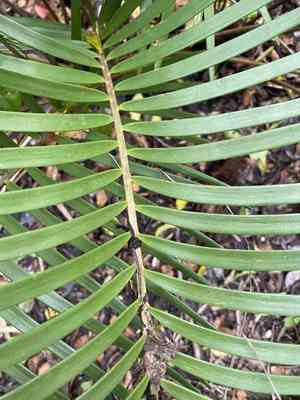
A primary reason to integrate Coontie into your landscape is its visual charm. With its lush, feather-like fronds, Coontie introduces a tropical element that can enhance your garden's overall look. Its vibrant green foliage remains attractive throughout the year, providing consistent beauty to your outdoor space. Moreover, Coontie can serve as a striking focal point or seamlessly blend into mixed plantings, offering flexible design choices.
Design Principles for Using Coontie
Choosing the ideal spot for Coontie in your garden
Placing Coontie in the optimal position is vital for its development and the visual harmony of your landscape. Ideally, select a location that receives partial shade, though Coontie can endure full sun in cooler regions. Ensure the soil drains well to prevent root rot, which is crucial for the plant's health. Additionally, consider Coontie's mature size to avoid future overcrowding, allowing it ample room to thrive.
Companion plants that complement Coontie effectively
To cultivate a unified and appealing garden, pair Coontie with complementary plants. Excellent companions include ornamental grasses, which offer a beautiful contrast to Coontie's fronds, and flowering perennials that introduce color throughout the seasons. Furthermore, succulents and other drought-tolerant plants can be superb selections, particularly in xeriscape gardens. These plant combinations can deepen the textural and visual richness of your landscape.
Designing for visual impact and equilibrium
When planning your landscape, consider visual impact and balance to create a harmonious setting. Utilize Coontie as a structural plant in borders or as a central feature in garden beds. You can also plant it in clusters for a more lush, naturalistic appearance. Balance Coontie's bold foliage with finer-textured plants to prevent a monotonous look. Thoughtful placement and grouping can ensure Coontie contributes to a dynamic and well-balanced garden.
Seasonal Considerations for Coontie
How Coontie adapts to varying seasons
Coontie is well-suited to manage the changing seasons, maintaining its appeal year-round. Its evergreen nature means it retains its leaves during winter, providing greenery when many other plants are dormant. In warmer months, Coontie stands out with vigorous growth, adding to your garden's lushness. Its adaptability to seasonal shifts makes it a dependable and lasting element of your landscape.
Selecting the optimal time for planting Coontie
The best time to plant Coontie is during the cooler periods of spring or early autumn. This timing allows the plant to establish its root system before the summer heat begins. While planting, ensure the soil is moist but not waterlogged. By giving Coontie a good start, you prepare it to flourish and become a permanent fixture in your garden. Proper planting timing also minimizes transplant shock, promoting healthier growth.
Sustaining Coontie in Your Landscape
Long-term care guidelines for Coontie
Coontie is relatively low-maintenance, making it an excellent choice for busy gardeners. Once established, it requires minimal watering, primarily relying on natural rainfall. However, during extended dry spells, occasional deep watering is beneficial. Fertilize Coontie sparingly, ideally once a year with a balanced slow-release fertilizer. Pruning is generally not needed, but you can remove dead or damaged fronds to maintain its tidy appearance.
Addressing common issues encountered by Coontie
Like any plant, Coontie can face certain challenges, such as pests and diseases. Scale insects and mealybugs are the most frequent pests, which can be managed with neem oil or insecticidal soaps. Root rot, often caused by excessive watering, can be prevented by ensuring proper soil drainage. Keeping Coontie healthy involves diligent observation and prompt action to resolve any problems. By doing so, you help sustain its vigor and beauty.
Coontie's Benefits Beyond Aesthetics
Environmental advantages of including Coontie in your garden
Beyond its visual charm, Coontie offers significant environmental benefits. It helps stabilize soil, reducing erosion and enhancing land quality. Coontie also contributes to air purification by absorbing pollutants and releasing oxygen. Its ability to thrive in poor soils makes it a valuable plant for sustainable landscaping, fostering healthier and more resilient ecosystems.
How Coontie supports local biodiversity
Incorporating Coontie into your garden can boost local biodiversity. Its foliage provides habitat and shelter for various insects and small animals. Additionally, Coontie can serve as a food source for specific wildlife, thereby supporting the ecological balance. By planting Coontie, you contribute to a thriving garden ecosystem, promoting a richer and more diverse natural environment.



