How to Overwinter White fir
1
White fir tolerates cold well, making it ideal for chilly regions.
2
Appropriate mulching significantly lessens winter stress for your White fir.
3
Consistent winter maintenance helps avoid pests and diseases, promoting robust spring growth.
Understanding White fir Frost Hardiness
Understanding White fir Frost Hardiness
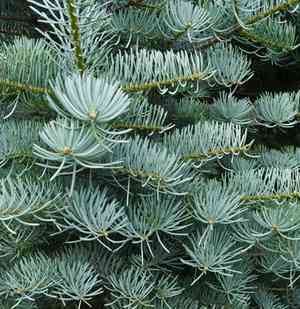
The White fir, originating from western North America's mountainous areas, is well-suited to cold climates. Recognized for its attractive blue-green needles and balanced form, this evergreen can endure temperatures down to -34°C (-30°F). While the White fir is quite resilient, proper preparation and care can further ensure its survival and flourishing through severe winters.
Preparing White fir for Winter
Pruning and Trimming
To ready your White fir for winter, begin by pruning and trimming any dead or weakened branches. This not only enhances the tree's overall health but also prevents potential harm from heavy snow or ice accumulation. Use clean, sharp pruning shears, making precise cuts to avoid bark tearing.
Watering Needs Before Winter
White fir requires ample water before the ground freezes. Deep watering in late autumn, ensuring the soil is moist to a depth of 45-60 cm (18-24 inches), helps sustain the tree through winter months when water absorption is limited. Avoid overwatering, as waterlogged soil can harm the roots.
Mulching for Added Protection
Apply a layer of mulch around the base of the White fir to insulate roots and retain moisture. Use organic mulch like wood chips or bark, spreading it evenly, about 10-15 cm (4-6 inches) thick. Keep the mulch a few centimeters away from the trunk to prevent rot and pest issues.
What Are the Winter Care Steps for White fir?
Inspecting for Pests and Diseases
Regularly check your White fir for signs of pests and diseases. In winter, scale insects and adelgids can be problematic. Look for discolored needles or sooty mold on branches. Treat infestations promptly with suitable horticultural oils or insecticides specifically formulated for evergreens.
Protecting from Extreme Weather
Extreme cold and wind can cause desiccation, leading to browning and needle drop. To safeguard your White fir, consider using a windbreak or burlap wrap. These barriers can shield the tree from harsh winds and reduce moisture loss. Ensure the wrap is securely fastened but not too tight to allow airflow.
Minimizing Salt Damage
Winter road salt can harm White fir roots and foliage. If your tree is near a road or driveway, create a barrier with burlap or use salt alternatives like calcium magnesium acetate. Rinse the foliage with water in early spring to remove any salt residues.
Post-Winter Recovery for White fir
Assessing Winter Damage
Once winter has passed, carefully inspect your White fir for any damage. Look for broken branches, discolored needles, or signs of pest activity. Remove any damaged branches using clean, sharp pruners to encourage new growth.
Springtime Pruning
Spring is the ideal time for light pruning to shape the tree and remove any winter-damaged branches. Ensure you only prune back to healthy tissue to avoid stressing the tree.
Fertilizing for New Growth
Fertilize your White fir in spring to support new growth and recovery. Use a balanced, slow-release fertilizer, applied at the recommended rate. This ensures your tree gets the necessary nutrients for robust health throughout the growing season.



