How to Overwinter Box elder
1
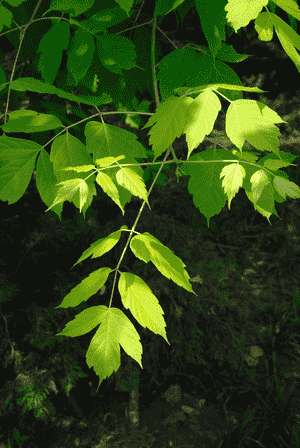
Acer negundo is a robust tree capable of enduring freezing temperatures, yet it requires winter readiness to flourish.
2
Appropriate mulching can greatly lessen root harm throughout colder periods.
3
Winter damage is frequent but controllable with suitable care methods.
What Is Overwintering?
What Is Overwintering?
Overwintering is the method of preparing plants to endure winter's harsh conditions. This process ensures your plants, like the Box elder, have the best chance of surviving the cold months and emerging healthy and robust in spring. For outdoor plants, overwintering involves several steps, such as providing frost protection, managing soil conditions, and ensuring adequate hydration before the ground freezes. Overwintering is vital, especially in regions with severe winter weather.
Steps to Overwinter Box elder
Step 1: Assess Plant Health
Before beginning specific overwintering tasks, it's crucial to evaluate your Box elder's overall health. Look for any indications of disease, pest infestations, or physical harm. Address any health issues before winter arrives, as a weaker tree is more vulnerable to winter stresses. Remove any dead or severely damaged branches and promptly tackle pest problems to ensure the tree is in its best possible state before the cold sets in.
Step 2: Pruning and Cleaning
Pruning is an important step in overwintering. Trim back any dead, diseased, or damaged branches to prevent them from causing further harm to the tree during winter storms. Clear away fallen leaves and debris around the tree's base to reduce the likelihood of pests and diseases establishing themselves. A clean base area ensures your Box elder will not face additional stress from pests hiding in decaying matter.
Step 3: Mulching
Mulching is a critical step in safeguarding your Box elder's roots from cold temperatures. Apply a thick layer of mulch (about 5 cm or 2 inches) around the tree's baseâkeeping it away from the trunkâto provide insulation. Mulch helps maintain a more consistent soil temperature, reducing the risk of root freeze and heave. Organic mulch, such as wood chips or straw, is excellent for this purpose.
Step 4: Watering Before Winter
Before the first frost arrives, give your Box elder a thorough watering. Despite its hardy nature, sufficient soil moisture helps the tree withstand dehydrating winter winds. Aim for about 2.5 to 5 cm (1 to 2 inches) of water per week until the ground freezes. Remember that dry soil can lead to root damage, which can affect the tree's survival through the winter.
Step 5: Protecting from Frost and Wind
Frost and wind can cause significant harm to your Box elder. To protect it, consider using burlap wraps or tree guards, especially for young or newly planted trees. These materials can shield the tree from harsh winds and reduce frost damage. Ensure the wraps are secure but not too tight, as they need to allow for some airflow. This protection can make a big difference in preventing winter dieback.
Common Problems During Overwintering of Box elder
Problem 1: Winter Dieback
Winter dieback occurs when parts of the tree are damaged or killed by extreme cold. This can be seen as dead branches or split bark. To manage this, ensure proper mulching and consider using windbreaks or wraps as protection. Prune away any dead material in the spring to promote healthy growth.
Problem 2: Pests and Diseases
Overwintering can also lead to pest and disease issues, particularly as pests like to hide in bark or soil. Inspect your tree regularly and treat any signs of infestation promptly. Using dormant oil sprays before winter can help eliminate overwintering pest eggs and larvae.
Problem 3: Frost Damage
Frost damage can affect new growth and bark. Using burlap wraps can mitigate some of this damage. If frost damage occurs, wait until spring to assess the extent. Often, the tree will recover on its own, but prompt pruning of damaged areas helps in faster recovery.
Tips for a Thriving Box elder After Winter
Tip 1: Gradual Reintroduction to Warmer Temperatures
Sudden exposure to warmth can shock your Box elder. Gradually acclimate the tree to warmer temperatures by slowly removing protective wraps and increasing its exposure to sunlight. This slow transition helps the tree adjust without causing additional stress.
Tip 2: Post-Winter Pruning
After winter, inspect your Box elder for any winter damage. Prune away any dead or damaged branches to encourage new growth. Proper pruning promotes air circulation and reduces the risk of diseases as the weather warms up.
Tip 3: Regular Monitoring for Pests
As your Box elder awakens from dormancy, it is vulnerable to pests. Regularly check for signs of infestation and take early action if pests are detected. Implementing integrated pest management practices can help keep your tree healthy and free from pests.



