How to Overwinter Japanese maple
1
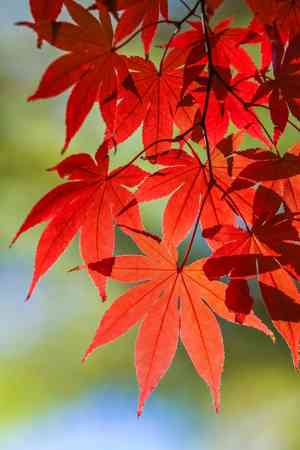
Japanese maples flourish in adequately drained soil and benefit from a substantial mulch layer in colder months.
2
While these trees generally tolerate frost, younger specimens might require additional safeguarding.
3
Refrain from fertilizing your Japanese maple during late summer or autumn to avoid new shoots susceptible to frost damage.
What Does Overwintering a Japanese maple Entail?
What Does Overwintering a Japanese maple Entail?
Overwintering a Japanese maple means preparing the tree for cold months to ensure its survival and vigor in spring. This involves actions like pruning, mulching, watering, and sometimes covering the plant. By providing optimal conditions, you can shield your tree from severe winter elements and boost its growth for upcoming seasons. Let's explore why this process is vital and how to execute it effectively.
Why is Overwintering Important for Japanese maples?
Understanding Dormancy in Japanese maples
Japanese maples enter a dormant state in winter, similar to hibernation. During this period, the tree's growth significantly slows, conserving energy and resources. Proper overwintering ensures the tree rests without stress, leading to more robust growth when warmer weather returns. Dormancy is crucial for the tree's natural cycle, allowing it to shed old leaves and prepare for new development.
Preventing Winter Damage
Winter can be harsh on Japanese maples, especially young or recently planted ones. Frost, heavy snow, and temperature fluctuations can cause frost damage, broken limbs, or even death. By correctly overwintering your tree, you can prevent these problems and ensure your Japanese maple is ready to flourish beautifully next spring.
How to Prepare Your Japanese maple for Winter?
Pruning and Cleanup
Start your winter preparation by pruning your Japanese maple. Remove dead or damaged branches and thin out any crowded areas. This improves air circulation and reduces disease risk. Additionally, clear any fallen leaves from around the tree's base, as they can harbor pests and diseases during winter.
Mulching and Insulation
Apply a thick layer of mulch around the base of your Japanese maple. This mulch acts as an insulating layer, protecting roots from extreme cold and temperature shifts. Ensure the mulch layer is about 5-10 cm (2-4 inches) thick. Avoid piling mulch directly against the trunk, as this can cause rot.
Watering Before Winter
Give your Japanese maple a thorough watering before the ground freezes. This hydration helps the tree sustain itself during dormancy. Aim for about 3 centimeters (1-1.5 inches) of water per week leading up to winter. Be careful not to overwater, as excessive moisture can lead to root rot.
What Are the Best Practices for Overwintering?
Using Covers and Wraps
For extra protection against severe winter conditions, consider using covers or wraps for your Japanese maple. Burlap wraps, in particular, can shield branches from heavy snow and ice. Secure the burlap loosely to allow some airflow, preventing moisture buildup and potential fungal issues.
Positioning Your Japanese maple
If your Japanese maple is in a container or if you plan to relocate it, place it in a sheltered spot away from strong winds and direct winter sun. Ideal locations include the north side of your house or a protected corner in your garden. This positioning helps safeguard the tree from harsh elements.
Common Problems and Solutions When Overwintering Japanese maples
Dealing with Frost Damage
If your Japanese maple suffers frost damage, wait until spring to assess the full extent. Prune away any damaged branches after the last frost to encourage healthy new growth. Protect the tree from future frost with burlap wraps or frost cloths during particularly cold nights.
Identifying and Treating Pest Issues
Pests like aphids and scale insects can become problematic, even during winter. Regularly inspect your Japanese maple for signs of infestations. Treat any issues promptly with insecticidal soap or neem oil. Keeping the tree healthy through proper overwintering practices also helps it resist pests.



