How to Overwinter Sweet flag
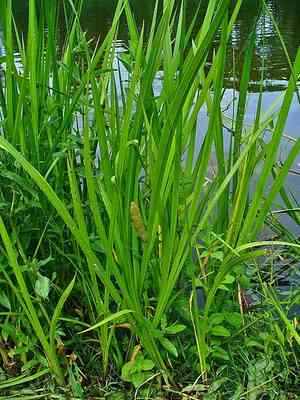
1
Sweet flag tolerates cold well, simplifying its outdoor winter survival.
2
Begin preparing Sweet flag for winter before temperatures drop below freezing.
3
Vigilant observation in winter guarantees the plant's well-being and robust spring revival.
Why Overwinter Sweet flag?
Why Overwinter Sweet flag?
Overwintering Sweet flag is essential, particularly in areas experiencing severe winters. Despite Sweet flag's frost tolerance, shielding it from extreme cold and frost damage ensures its vitality and continued aesthetic contribution to your garden. This practice helps maintain the plant's vigor, safeguarding its delicate root system and foliage from harm.
Step-by-Step Guide to Overwinter Sweet flag
Preparing Sweet flag for Winter
Start by tidying the plant's vicinity. Clear away any dead or decaying foliage from around your Sweet flag to deter diseases. Lightly trim the foliage to reduce the plant's size and prevent unnecessary energy expenditure during the colder months.
Protecting Sweet flag from Frost
While Sweet flag is resilient, additional frost protection is beneficial. Apply a thick layer of mulch (approximately 5-10 cm or 2-4 inches) of straw or leaves around the base to insulate the roots. In regions with very harsh winters, consider using frost cloths or garden fabric to directly cover the plant, providing an extra layer of defense.
Monitoring Plant Health During Winter
Consistent observation of your Sweet flag throughout winter is vital. Periodically inspect the mulch and frost protection, ensuring they remain intact and effective. Watch for any signs of rot or disease, as early detection can prevent extensive damage. Keep the soil moist but not saturated, as excessive water can lead to root decay.
Spring Transition: Bringing Sweet flag Back to Growth
As spring approaches and temperatures rise, gradually remove the mulch and any frost protection. Begin by uncovering the plant during the day and re-covering it at night. Gradual exposure helps the plant adapt to changing conditions. Increase watering slightly to encourage new growth, and consider a balanced fertilizer to aid its recovery.
Common Overwintering Issues and Solutions
Addressing Root Rot
Root rot can be a frequent problem if Sweet flag is overwatered during winter. Ensure proper drainage and avoid waterlogged conditions. If you observe yellowing leaves or a musty odor, reduce watering and improve soil drainage.
Managing Pests and Diseases
Winter can sometimes introduce pest issues like aphids or spider mites. Regularly inspect the plant and surrounding soil for any pest activity. Use organic insecticidal soap or neem oil if necessary, and remove any severely affected foliage to prevent disease spread.



