How to Overwinter Ground elder
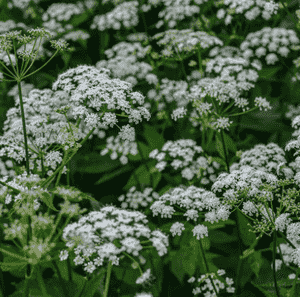
1
Ground elder, a resilient perennial, endures severe cold.
2
Mulching and covering greatly improve Ground elder's ability to survive winter.
3
Pre-winter pruning and care are crucial for the plant's vitality in spring.
Preparing Ground elder for Winter
Preparing Ground elder for Winter
As temperatures fall and winter approaches, it's crucial to start readying your Ground elder to ensure its health and vitality. This robust perennial, known for its rich green foliage, can endure frost but needs some preparation for optimal winter survival. Begin by tidying the garden area around the Ground elder. Clear away any debris or fallen leaves that could harbor pests or diseases. Ensure the ground is free of weeds, as they can compete for nutrients and resources vital for your Ground elder's flourishing.
How Does Frost Affect Ground elder?
Understanding Hardiness in Ground elder
Ground elder is categorized as frost-hardy, meaning it tolerates cold temperatures better than many other plants. It is resilient and can survive frost without significant harm. However, comprehending its hardiness level aids in providing appropriate protective measures. This perennial typically withstands temperatures down to approximately -20°C (-4°F), making it a sturdy option for gardens in colder regions.
Impact of Frost on Growth and Survival
While Ground elder is hardy, extended exposure to extreme cold can sometimes impact its growth and survival. Frost primarily affects the plant's exposed parts, especially the foliage. It can cause leaves to become brittle and dry. In severe instances, frost can harm the roots, though with adequate mulch and insulation, these risks are minimized. Continuous observation during freezing weather can help in early detection of any frost-induced damage.
Insulating Ground elder Against Harsh Winters
Using Mulch for Protection
One of the most effective methods to safeguard Ground elder during winter is by applying a generous layer of mulch. Mulch helps insulate the soil and roots, preventing them from freezing. Utilize organic materials such as straw, leaves, or wood chips. Spread a layer about 5-10 cm (2-4 inches) thick around the plant's base, being careful not to smother the crown. This technique retains soil moisture and offers essential insulation.
Applying Protective Covers
In regions with particularly severe winters, you might consider providing extra protection with covers. Use burlap or frost cloths to cover the Ground elder during nights of intense frost. This helps trap heat and shield the plant from cold winds that can cause considerable damage. Ensure these covers are removed during the day when temperatures rise to prevent overheating and ensure proper air circulation.
Watering Tips During Winter
Contrary to popular belief, watering Ground elder during winter is important, but must be done correctly. Ensure the soil remains moist but not waterlogged, as overly wet soil can freeze and harm roots. Water the plant during midday when temperatures are relatively warmer to prevent the water from freezing around the roots.
Pruning and Maintenance of Ground elder Before Winter
Trimming Back Foliage
Before the first frost arrives, it's advisable to trim back your Ground elder's foliage. This not only helps reduce the plant's size, making it more manageable during winter, but also encourages new growth in spring. Cut back the foliage to about 5-8 cm (2-3 inches) above the ground.
Removing Dead or Diseased Plant Material
Inspect your Ground elder for any dead or diseased leaves and stems. Removing these parts helps prevent the spread of diseases and pests that thrive during colder months. Dispose of the removed material properly, away from your garden, to avoid any chances of re-infestation.
Best Practices for Overwintering Ground elder Indoors
When Should You Overwinter Indoors?
In areas where winter conditions are too harsh even for frost-hardy plants like Ground elder, consider bringing the plant indoors. If temperatures consistently drop below -20°C (-4°F) and severe frosts are common, it's safer to overwinter the plant inside. Start planning to move it indoors before the first severe frost occurs.
Tips for Indoor Care During Winter
When indoors, place your Ground elder in a location with ample, indirect sunlight. Maintain a cool room temperature, ideally between 10-15°C (50-59°F). Water the plant sparingly, just enough to keep the soil slightly moist. Avoid overwatering as indoor conditions can sometimes slow down evaporation, leading to root rot.
Common Challenges and Solutions in Overwintering Ground elder
Identifying Frost Damage
Despite all precautions, your Ground elder might still experience some frost damage. Signs of frost damage include blackened or wilted leaves and stems. If you notice these signs, prune the affected parts to prevent further decay and disease. Recovery from frost damage can take some time, but with proper care, the plant should rebound.
Dealing with Overwintering Pests
Winter garden maintenance might be less intensive, but it doesn't mean pests take a break. Keep an eye out for common overwintering pests such as aphids and spider mites. Inspect your Ground elder regularly and use eco-friendly pest control options like neem oil sprays if infestations are detected. Keeping the area clean will also reduce the likelihood of pest problems.



