How to Overwinter Anise hyssop
1
Anise hyssop tolerates frost and endures temperatures down to -28°C (-20°F).
2
Consistent trimming of Anise hyssop improves its resistance to winter conditions.
3
Applying mulch offers protection and insulates Anise hyssop roots in severe cold.
What is Anise hyssop?
What is Anise hyssop?
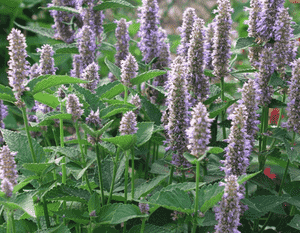
Anise hyssop is a perennial herb from the mint family. Valued for its fragrant, anise-like scent, it's a favorite among gardeners for its pleasant aroma and lovely lavender blooms. Originating in North America, this plant attracts pollinators like bees and butterflies, making it a great addition to any garden supporting local wildlife. It thrives both indoors and outdoors, and its frost-hardiness allows it to endure quite cold temperatures.
How to Prepare Anise hyssop for Winter
Pruning Anise hyssop
Start by cutting back your Anise hyssop in late autumn. Trim the plant to approximately 15-20 centimeters (6-8 inches) above the ground. Removing dead or weak stems helps the plant conserve energy for winter survival and robust spring growth. Remember to use clean, sharp shears to prevent any potential disease spread.
Mulching Strategies
Mulching is crucial for protecting Anise hyssop roots during winter. Apply a thick layer of mulchâaround 8-10 centimeters (3-4 inches)âat the plant's base. Materials such as straw, shredded leaves, or wood chips are effective. The mulch acts as an insulating layer, stabilizing soil temperature and safeguarding roots from freezing.
Watering Needs
Contrary to common belief, Anise hyssop requires minimal watering in winter. Excessive watering can lead to root rot and other issues. Ensure the soil is barely moist and water sparingly. It's best to water the plant one last time before the first hard frost, ensuring moisture penetrates deep into the soil.
Indoor Overwintering Tips for Anise hyssop
Choosing the Right Location
If you opt to bring your Anise hyssop indoors for winter, select a spot with ample indirect sunlight. A location near a south-facing window can be ideal. Ensure the area is free from drafts or heating vents, which can cause temperature fluctuations detrimental to the plant.
Lighting Requirements
Even indoors, your Anise hyssop needs sufficient light to stay healthy. If natural light is inadequate, consider using grow lights. Aim for at least 6-8 hours of daily light to mimic the outdoor sunlight conditions the plant would experience.
Temperature and Humidity Control
Maintain a consistent indoor temperature between 18-21°C (65-70°F) and keep humidity levels moderate. A humidity tray or room humidifier can help maintain optimal conditions. Avoid placing the plant too close to windows on particularly cold nights to prevent it from getting too cold.
Common Mistakes to Avoid When Overwintering Anise hyssop
Overwatering Issues
One of the most frequent errors is overwatering. Remember, Anise hyssop doesn't need much water during its dormant period. Ensure the soil remains only slightly moist and water sparingly to prevent problems like root rot.
Improper Pruning Techniques
Incorrect pruning can also harm your plant. Avoid cutting the plant completely to the ground. Instead, trim it to about 15-20 centimeters (6-8 inches) above the soil level. Improper pruning can stress the plant, reducing its ability to survive the winter.
Monitoring Anise hyssop During Winter
Pest and Disease Control
Regularly check your Anise hyssop for signs of pests or diseases. Pests are less common in winter, but indoor plants can sometimes attract spider mites or aphids. If you notice any issues, treat the plant with insecticidal soap or neem oil.
Regular Health Checks
Perform routine health assessments to ensure your Anise hyssop remains in good condition. Look for any signs of wilting, discoloration, or other stress symptoms. Address any problems promptly to prevent more significant issues later on.



