How to Overwinter Century plant
1
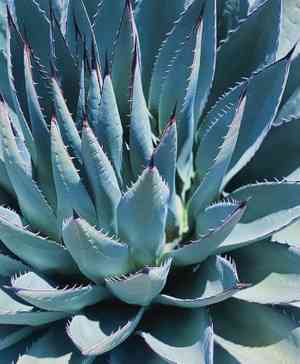
Agave americana originates from Mexico and is recognized for its striking, pointed foliage.
2
Agave americana is moderately hardy, capable of enduring short periods of temperatures as low as -6°C (20°F).
3
For indoor cultivation, Agave americana needs ample, diffused illumination to flourish.
What Does 'Overwinter' Mean for Century plant?
What Does 'Overwinter' Mean for Century plant?
Overwintering describes the process of preparing and maintaining plants through the winter months to ensure their survival and health when exposed to cold temperatures. For Century plant, a semi-hardy succulent from warm regions, overwintering is crucial as it cannot endure prolonged freezing conditions. Successfully overwintering your Century plant involves specific care and strategic planning to shield it from frost and cold damage, allowing it to flourish again in spring.
Preparing Century plant for Winter
Soil Preparation
Start your winter preparations by ensuring the soil drains effectively. Century plant thrives in a gritty mix, so consider adding sand or gravel to enhance soil drainage. Poorly drained soil can lead to root rot, especially when the plant encounters cold, damp conditions. Check the soil pH, aiming for a neutral range of 6.6 to 7.5 to provide the optimal growing medium for your Century plant.
Pruning and Trimming
Before the cold weather arrives, remove any dead or damaged leaves to lessen the risk of disease and pest infestations. This also helps the plant conserve energy. Use clean, sharp pruning shears and cut close to the base of the damaged leaves without harming healthy tissue. Regularly inspect your Century plant for signs of damage and prune as needed to maintain its vigor throughout winter.
Best Locations for Century plant During Winter
Indoors vs. Outdoors
Depending on your local climate, you might choose to overwinter your Century plant indoors or outdoors. If you live in an area where temperatures drop below -6°C (20°F), it's best to bring the plant inside. Place it in a bright spot with indirect sunlight. If you prefer to keep your Century plant outdoors, ensure it's in a sheltered location, away from cold winds, and consider using frost covers for extra protection.
Temperature and Light Requirements
Ideal Temperature Range
To keep your Century plant healthy during winter, maintain temperatures between 10°C and 21°C (50°F to 70°F). While Century plant can tolerate brief cold spells, extended exposure to temperatures below 0°C (32°F) can be harmful. Regularly monitoring the temperature and making necessary adjustments are key steps for successful overwintering.
Light Exposure Needs
Century plant requires ample light to thrive, even in winter. When kept indoors, position it near a south-facing window where it can receive bright, indirect sunlight for several hours daily. If indoor light is insufficient, supplement with a grow light to ensure the plant gets adequate light exposure.
Protecting Century plant from Frost
Frost Covers and Cloths
Frost protection is crucial for outdoor Century plants in colder climates. Use frost covers or cloths made from breathable materials to shield the plant from frost without trapping moisture. These covers can be draped over the plant during extremely cold nights and removed during the day to allow airflow and sunlight.
Mulching Techniques
Applying a thick layer of mulch around the base of the Century plant helps insulate the roots and retain soil warmth. Use organic materials such as straw, wood chips, or pine needles. Ensure the mulch is kept away from the plant's stem to prevent rot and pests.
Signs of Distress in Century plant During Winter
Identifying Frost Damage
Frost damage can appear in several ways, such as blackened or mushy leaves and a generally wilted look. If you notice these signs, move the plant to a warmer location immediately and remove any severely damaged leaves. Prompt action can often lessen the worst effects of frost damage.
Addressing Overwatering Issues
Overwatering is a common problem during the winter months. Signs of overwatering include yellowing leaves, a mushy texture, and an unpleasant smell from the soil. To fix this, reduce watering frequency, ensure the plant is in well-draining soil, and consider repotting if the soil seems overly compacted or waterlogged.



