How to Overwinter Tree of heaven
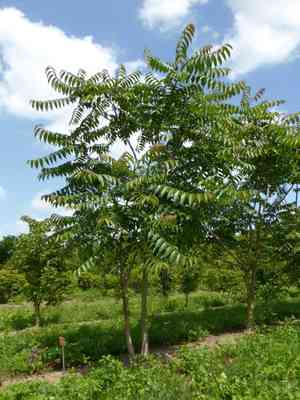
1
Ailanthus altissima tolerates cold well, but still needs safeguarding during harsh winters.
2
Trimming Ailanthus altissima prior to winter can aid in averting harm from substantial snow and ice.
3
Applying mulch around the base of Ailanthus altissima can shield its roots from intense cold.
What is Overwintering?
What is Overwintering?
Overwintering refers to the practice of preparing plants to endure winter's harsh conditions. It involves various methods to safeguard plants from frost, freezing temperatures, and other winter-related challenges. For both indoor and outdoor plants, the aim of overwintering is to ensure they emerge healthy and ready to flourish in spring.
Preparing Tree of heaven for Winter
Inspecting the Tree
Prior to winter's arrival, thoroughly examine your Tree of heaven. Check for any indications of disease, pest infestations, or structural harm. Early detection of problems can prevent their escalation during the colder months.
Pruning and Cleaning
Pruning is vital for the well-being of your Tree of heaven. Remove any dead, diseased, or damaged limbs. This not only lowers the risk of injury from falling branches during snow and ice storms but also encourages healthier growth in the spring. Clear away any fallen leaves or debris around the tree's base to reduce pest risks.
Mulching
Mulching is a critical step in shielding the roots of Tree of heaven from extreme cold. Apply a layer of organic mulch approximately 5-10 cm (2-4 inches) thick around the tree's base. This helps insulate the soil, retain moisture, and minimize temperature fluctuations.
Winter Protection Techniques for Tree of heaven
Covering the Base
To further safeguard the roots of Tree of heaven, you can use burlap or frost cloth to cover the tree's base. This additional layer can protect the roots from severe cold and lessen frost damage.
Wind Protection
Strong winter winds can be detrimental to your Tree of heaven. Erecting a windbreak, such as a fence or a row of shrubs, can offer some shelter. Alternatively, you can wrap the tree with burlap to shield it from drying winds.
Monitoring Tree of heaven During Winter
Regular Inspections
Throughout the winter, periodically check your Tree of heaven for any signs of stress or damage. Look for broken branches, animal damage, or indications of frostbite. Frequent inspections can help you address issues before they become severe.
Managing Snow and Ice
Heavy snow and ice accumulation can harm the branches of Tree of heaven. Gently brush off any substantial snow buildup, and if ice forms, avoid forcefully breaking it off as this can damage the branches.
Preparing for Spring Post-Winter
Assessing Winter Damage
As winter concludes, evaluate your Tree of heaven for any damage it may have sustained. Look for signs of frost damage, broken branches, or root problems. Address these issues promptly to ensure the tree's health.
Spring Pruning and Fertilizing
Once the threat of frost has passed, it's time to prune any damaged branches and shape your Tree of heaven. Applying a balanced fertilizer can provide the necessary nutrients for vigorous growth in the new season.



