How to Overwinter Common hollyhock
1
Common hollyhock tolerates cold well, enduring temperatures as low as -15°C (5°F).
2
Trimming your Common hollyhock in late autumn promotes vigorous development in the spring.
3
Applying a 5-10 cm (2-4 inches) layer of mulch offers substantial protection for Common hollyhock's roots over winter.
What Overwintering Entails for Common hollyhock?
What Overwintering Entails for Common hollyhock?
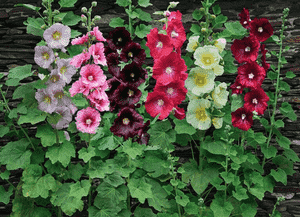
Overwintering Common hollyhock requires specific care actions to ensure the plant endures the cold season and flourishes again in spring. Unlike some annuals, Common hollyhock is a resilient perennial capable of withstanding frost and low temperatures with proper preparation. This process includes trimming dead foliage, applying mulch for insulation, and providing adequate but not excessive water.
Preparing Common hollyhock for Winter
Pruning and Cutting Back
Before the first frost, it's vital to prune your Common hollyhock. Trim back dead and dying leaves to approximately 15-20 cm (6-8 inches) above the ground. This helps prevent diseases and pests from establishing during winter. You also assist the plant in conserving energy, which it can utilize to rebound stronger when warmer weather returns.
Mulching and Soil Preparation
A thick layer of mulch around the base of your Common hollyhock provides excellent insulation for its roots. Aim for about 5-10 cm (2-4 inches) of mulch, using materials like straw, wood chips, or compost. This not only helps maintain stable soil temperature but also retains moisture and inhibits weed growth.
Watering Needs
While it's crucial to prevent the soil from becoming completely dry, excessive watering can lead to root rot, especially in colder months. Check the soil moisture level before watering and aim to keep it slightly damp but not waterlogged. Generally, watering once every two weeks should suffice, adjusting based on your local climate.
Common Issues During Common hollyhock Overwintering
Pest Control
Pests can still linger around your Common hollyhock during winter. Watch out for aphids, slugs, and snails, which might hide in mulch or near the plant's base. Address them with organic insecticides or by manual removal.
Diseases to Watch Out For
Fungal diseases can be a concern during damp winter periods. Ensure good air circulation and remove any dead or decaying plant material that could harbor fungi. A sulfur-based fungicide can offer extra protection if fungal infections are a recurring problem.
Signs of Stress and How to Address Them
Look for wilting, yellowing leaves, or a general decline in plant health. These can indicate water stress or root issues. Adjust your watering schedule accordingly and check the soil's drainage. Adding organic compost can also provide the plant with a nutrient boost.
Steps to Reintroduce Common hollyhock in Spring
Gradual Exposure to Outdoor Conditions
As temperatures begin to rise, gradually reintroduce your Common hollyhock to outdoor conditions. Start by placing the plant outside for a few hours daily, progressively increasing exposure time over one to two weeks. This helps the plant adapt to the changing environment without causing shock.
Soil and Nutrient Refresh
Spring is the ideal time to refresh the soil and add nutrients. Remove any old mulch and apply a layer of fresh compost or organic fertilizer around the plant's base. This will help replenish nutrients lost over winter and prepare the soil for a new growing season.



