How to Overwinter Giant onion
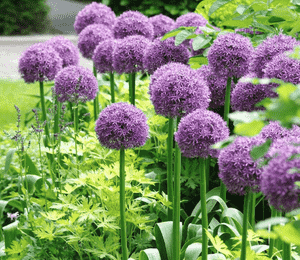
1
Giant onions are resilient to cold and can endure temperatures down to -20°C (-4°F).
2
Adequate mulching helps retain soil heat and safeguards the bulb through severe winter weather.
3
Regularly checking Giant onions for pests during winter helps stop infestations from getting worse.
What Is Overwintering and Why Is It Important for Giant onion?
What Is Overwintering and Why Is It Important for Giant onion?
Overwintering involves preparing your Giant onion for the cold winter months to ensure its healthy and vibrant return in spring. It protects the plant from potential harm caused by freezing temperatures, snow, and reduced sunlight. Without proper care, even frost-hardy plants like the Giant onion can suffer. By taking practical steps, you guarantee this magnificent plant will flourish annually.
Preparing Giant onion for Winter
Assessing Plant Health Before Winter
Prior to frost, it's vital to evaluate your Giant onion's health. Look for disease or pest infestations. Healthy plants have a better chance of surviving winter. Remove damaged or diseased foliage to minimize infection risk during colder months.
Pruning and Cleaning Around the Plant
After assessing health, prune back dead or diseased leaves. This keeps the plant tidy and reduces pest hiding spots. Also, clear debris around the plant to prevent mold and mildew, which can be harmful in winter.
Soil Preparation and Mulching
Post-pruning, focus on soil preparation. The soil around your Giant onion should drain well to prevent waterlogging, which can freeze and harm the bulb. Apply a 5-10 cm (2-4 inches) layer of organic mulch, like straw or leaf mold, around the plant's base. This insulates the soil and keeps roots warmer.
How to Protect Giant onion During Winter
Using Frost Cloths and Plant Covers
In areas with drastic temperature drops, consider frost cloths or plant covers. These protective layers reduce frost and wind exposure, providing extra warmth. Ensure covers are breathable to avoid trapping moisture, which can cause rot.
Maintaining Moisture Levels
Even in winter, Giant onion needs some moisture to prevent complete soil dryness. Water sparingly, ensuring the soil is slightly damp but not waterlogged. Overwatering can rot the bulb, so balance is crucial.
Monitoring for Pests and Diseases
Winter doesn't mean a break from pests. Regularly check your Giant onion for pest activity or disease signs. Early detection and intervention are key to preventing infestations. Treat issues immediately and remove affected plant parts.
What to Expect in Spring: Post-Winter Care for Giant onion
Inspecting for Winter Damage
As temperatures rise and spring nears, inspect your Giant onion for winter damage. Look for frostbite on leaves or softened, decayed bulb areas. Prune damaged parts to encourage new, healthy growth.
Fertilizing and Nutrient Management
Spring is ideal for giving your Giant onion a nutritional boost. Apply a balanced, slow-release fertilizer to the soil to replenish essential nutrients. This helps the plant recover from winter stress and supports vigorous growth during the season.
Resuming Regular Watering Schedule
With spring's arrival, you can resume a more regular watering schedule. Ensure the soil stays moist, but avoid overwatering to prevent root rot. A good practice is to water deeply but less often, letting the soil dry slightly between waterings.



