How to Overwinter Black alder
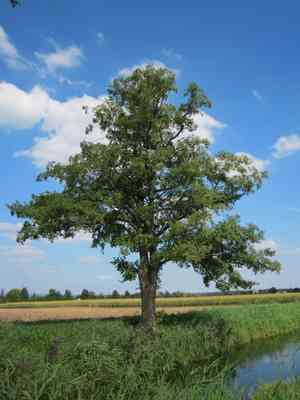
1
Black alder tolerates cold temperatures well and endures severe winter weather.
2
Adequate soil drainage is crucial to avoid root decay in winter.
3
Applying mulch offers insulation and retains soil moisture, vital for Black alder's winter endurance.
Understanding Black alder's Hardiness
Understanding Black alder's Hardiness
The Black alder is a robust and adaptable tree, recognized for its resilience across diverse climate zones. Originating in Europe, it thrives in damp ground, frequently found near waterways and wetlands. A key characteristic is its impressive hardiness, making it well-suited to endure winter conditions. Typically, the Black alder can withstand temperatures as low as â25°C (â13°F), making it an excellent option for areas with severe winters. However, comprehending its hardiness specifics will ensure optimal care and vigorous growth in spring.
Preparing the Soil for Winter
Soil Amendment Needs
To prepare soil for Black alder, consider incorporating compost or well-rotted manure. These additions boost soil fertility, enhancing root health and tree vitality. Aim to blend approximately 5-10 cm (2-4 inches) of compost into the topsoil. This practice ensures that nutrients are readily available to the roots during dormancy.
Ensuring Proper Drainage
Adequate drainage is crucial for preventing water from pooling around the roots, which can lead to root rot. If your soil is heavy clay, mix in sand or perlite to improve drainage. Ensure that water can drain away easily, especially before significant snowfall or rain. This might involve creating shallow channels or slightly elevating the planting area.
Winter Watering Tips for Black alder
Watering Frequency
During winter, trees require less water compared to the active growing season. Water the Black alder approximately once a month, ensuring the ground is not frozen. This infrequent watering schedule helps maintain soil moisture without oversaturating, allowing the tree to stay hydrated while avoiding excess water that can lead to root damage.
Preventing Overwatering
Overwatering can be as detrimental as under-watering, particularly in winter. Ensure that the soil is slightly moist but never waterlogged. Use a soil moisture meter, if needed, to check the soil moisture levels about 15-20 cm (6-8 inches) below the surface. Overwatering can lead to root suffocation or promote fungal diseases which are more challenging to manage in cold conditions.
Mulching for Black alder Winter Protection
Best Mulch Types
Organic mulches such as wood chips, straw, and bark are excellent choices. They insulate the roots, conserve soil moisture, and gradually decompose, returning organic matter to the soil. A mulch layer of about 5-10 cm (2-4 inches) is ideal for providing this protection without risking rodent infestation or root suffocation.
Proper Mulching Techniques
When mulching, spread the material in an even layer around the base of the tree, extending to the drip line but keeping it away from the trunk to prevent rot. Maintain a small gap around the base of the trunk (about 5-10 cm or 2-4 inches) to promote air circulation and reduce the chances of fungal infections.
Monitoring Black alder for Winter Damage
Common Winter Issues
Winter challenges for Black alder include frost cracks on the trunk, branch breakage from heavy snow, and damage from freeze-thaw cycles. Additionally, watch for signs of rodent activity as they may chew on the bark during colder months.
How to Address Winter Damage
If damage occurs, prune affected branches promptly to prevent disease entry. For frost cracks, wrapping the trunk with tree gauze can aid the healing process. If rodents damage the bark, consider using tree wraps or guards to prevent further injury. Maintaining tree health by managing these issues promptly ensures your Black alder emerges healthy and strong in the spring.



