How to Overwinter Zebra plant
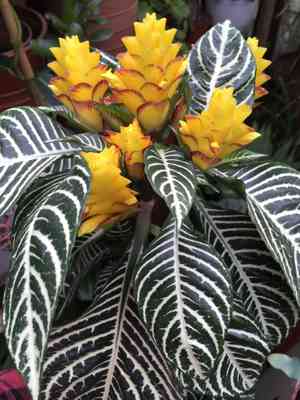
1
The Zebra plant flourishes in temperatures ranging from 18°C to 24°C (65°F to 75°F).
2
Elevated humidity, ideally near 60%, is vital for its health in the colder months.
3
Strategic trimming prior to winter aids in warding off pests and illnesses.
The Importance of Overwintering Your Zebra plant
The Importance of Overwintering Your Zebra plant
Overwintering your Zebra plant is vital for its survival and well-being. As a delicate plant unable to endure frost, it requires protection during colder months. By providing suitable indoor conditions, you guarantee its prosperity throughout the year. Overwintering helps avert shock and sustains vigorous growth, leading to more vibrant foliage and blossoms in the active growing season.
Getting Your Zebra plant Ready for Winter
Evaluating Plant Health
Before bringing your Zebra plant indoors for winter, conduct a thorough health assessment. Check for any indications of illness, pests, or nutritional deficiencies. Healthy plants are more likely to endure the strain of indoor environments and continue flourishing.
Trimming and Pruning
Trimming and pruning are crucial steps in preparing your Zebra plant for winter. Remove any dead or yellowed leaves and elongated stems. This not only enhances the plant's appearance but also stimulates fresh, healthy growth when it revives in the spring.
Cleaning the Leaves
Cleaning the leaves is essential for maintaining the plant's health. Dust and grime can impede the plant's ability to photosynthesize. Use a damp cloth to gently wipe down the leaves, ensuring they are free of debris and dust.
Indoor Overwintering Conditions for Zebra plant
Optimal Temperature and Humidity Levels
The Zebra plant thrives in temperatures between 18°C and 24°C (65°F to 75°F). It's also important to maintain high humidity levels, ideally around 60%. Consider using a humidifier or placing a water tray near the plant to achieve this.
Lighting Requirements
During winter, natural light is often insufficient for the Zebra plant. Place it in a spot with bright, indirect sunlight. If natural light is limited, you can supplement with grow lights to ensure it receives 10-12 hours of light daily.
Proper Watering Practices
Watering needs change during winter. The Zebra plant requires less water but should never completely dry out. Water the plant when the top 2.5 cm (1 inch) of soil feels dry, ensuring good drainage to prevent root rot.
Common Overwintering Issues and Solutions
Leaf Drop and Yellowing
Leaf drop and yellowing can be a common issue during overwintering. This often occurs due to a sudden change in environment. Maintain consistent temperature and humidity levels, and avoid placing the plant near drafts or heaters.
Pest Control
Indoor conditions can sometimes lead to pest infestations. Regularly inspect your Zebra plant for common pests like spider mites and aphids. Use insecticidal soap or neem oil as a treatment, ensuring you address the problem promptly.
Preventing Fungal Diseases
Fungal diseases are often a result of poor air circulation and excessive moisture. Ensure good airflow around your Zebra plant and avoid overwatering. If you notice any signs of fungal disease, treat with a suitable fungicide.
Post-Winter Care for Zebra plant
Gradual Reintroduction to Outdoors
As temperatures rise in the spring, you can begin reintroducing your Zebra plant to outdoor conditions. Start by placing it in a shaded area for a few hours each day, gradually increasing the time it spends outside to prevent shock.
Resuming Fertilization
In spring, resume fertilization to support new growth. Use a balanced, water-soluble fertilizer every two weeks, following the recommended dosage to avoid over-fertilization.
Monitoring New Growth
Keep a close eye on new growth as your Zebra plant adjusts to outdoor conditions. Look for any signs of stress or pest issues, and address them promptly to ensure your plant continues to thrive.



