How to Overwinter Red columbine
1
Applying mulch insulates the root system of Red columbine, vital for enduring freezing conditions.
2
Periodically inspect for pests, even in colder seasons, to avoid outbreaks.
3
Sufficient winter watering stops roots from dehydrating and boosts frost tolerance.
Understanding Red columbine Frost Hardiness
Understanding Red columbine Frost Hardiness
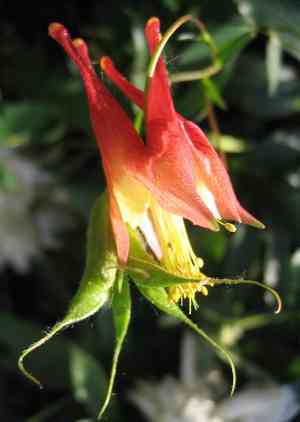
Red columbine, recognized for their delicate, bell-shaped flowers, exhibit surprising resilience to cold conditions. Inherently tough, these plants can endure temperatures below freezing. Their root systems are especially strong, enabling survival in climates with frequent frost. Grasping Red columbine's hardiness is key to ensuring their survival and flourishing through harsh winter months.
Preparing Red columbine for Winter
How to Trim and Prune Before Frost
Prior to the initial frost, it's crucial to trim and prune your Red columbine. Eliminate any dead or diseased foliage to deter pests and illnesses during dormancy. Cutting back the plant also aids in energy conservation, vital for winter survival.
Applying Mulch for Winter Protection
Mulching is among the most effective methods to safeguard Red columbine during winter. Apply a thick layer of mulch, approximately 5-10 cm (2-4 inches), around the plant's base. This insulates the roots and maintains a more consistent soil temperature, preventing root freezing.
Providing Adequate Water During Cold Months
Why Proper Watering is Crucial
Appropriate watering is essential for Red columbine in winter. Though they require less water than in the growing season, ensuring moist, not saturated, soil helps the plant resist frost damage. Dry roots are more vulnerable to freeze-thaw cycles, which can cause significant harm.
Best Practices for Winter Watering
Water your Red columbine deeply once weekly if there's no rain or snow. Ensure good soil drainage to prevent waterlogging, which can lead to root rot. During particularly dry spells, a quick check of soil moisture can determine if additional watering is needed.
Common Pests and Diseases in Winter
Identifying Winter Pests
Even in winter, pests can infest your Red columbine. Common culprits include spider mites and aphids. Regularly inspect plants for signs of infestation, such as webbing, leaf holes, or visible insects. Early detection can prevent a full-blown infestation in spring.
Preventative Measures for Diseases
To prevent diseases, ensure ample air circulation around your Red columbine by avoiding overly dense planting. Immediately remove any diseased foliage and avoid overhead watering, which fosters a damp environment conducive to fungal growth. Applying a fungicide before winter can also help protect against potential diseases.
Post-Winter Care for Red columbine
Inspecting for Damage
As winter concludes, carefully examine your Red columbine for any damage. Look for signs of frostbite on leaves and stems or root damage indicated by wilting. Removing damaged parts will help the plant focus energy on healthy growth once spring arrives.
Encouraging Spring Growth
To promote vigorous spring growth, gradually remove winter mulch as temperatures rise. Apply a balanced fertilizer to provide essential nutrients, and ensure the plant receives ample sunlight. Resume regular watering, allowing the Red columbine to recover robustly for a new growing season.



