How to Overwinter Norfolk island pine
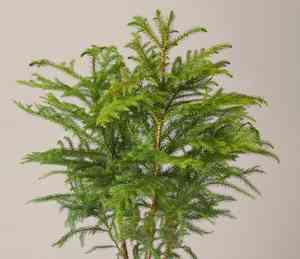
1
Norfolk island pine is susceptible to frost damage and needs to be brought inside if temperatures fall below 10°C (50°F).
2
This plant flourishes in humidity between 50% and 60%, requiring regular misting in arid winter conditions.
3
Provide your Norfolk island pine with 12-14 hours of diffused sunlight each day to replicate its native habitat.
When to Begin Preparing Your Norfolk island pine for Winter?
When to Begin Preparing Your Norfolk island pine for Winter?
As daylight hours shorten and temperatures start to drop, it's crucial to start getting your Norfolk island pine ready for winter. Ideally, this process should commence in early autumn. This tree, native to Norfolk Island near Australia, does not tolerate freezing temperatures well. The sooner you start, the less stress the plant will experience when moved indoors. Plan to bring your Norfolk island pine inside when nighttime temperatures consistently fall below 10°C (50°F). This transition period helps the plant gradually adjust to the indoor environment, minimizing shock and ensuring a healthier winter.
What Are the Ideal Indoor Conditions for Norfolk island pine During Winter?
Temperature and Humidity Requirements
Maintaining appropriate temperature and humidity levels is vital for your Norfolk island pine's health during winter. These trees prefer a steady indoor temperature between 18°C and 22°C (65°F and 72°F). Avoid placing your plant near heating vents, radiators, or drafty windows, as sudden temperature changes can stress the plant.
Proper Lighting
Lighting plays a significant role in the well-being of your Norfolk island pine. While they can endure lower light levels, they flourish best with ample bright, indirect sunlight. Aim to provide 12 to 14 hours of light daily, using grow lights if natural light is insufficient. Position your plant near an east or south-facing window, but ensure the light is filtered to prevent leaf burn.
Adequate Watering and Fertilizing
Watering requirements for your Norfolk island pine change during the winter months. The plant's growth slows, meaning it needs less water. Allow the top one inch (2.5 centimeters) of soil to dry out between waterings. Overwatering can lead to root rot, a common issue in winter. Reduce fertilizing as well; feeding your plant once every two months with a balanced, water-soluble fertilizer will suffice until spring.
How to Monitor and Manage Potential Issues?
Common Pests and Diseases in Winter
During winter, your Norfolk island pine is vulnerable to pests such as spider mites and scale insects. Regularly inspect the undersides of leaves and branches. If you detect any pests, treat them promptly with insecticidal soap or neem oil. Also, watch for signs of disease, such as yellowing needles or mold, which can result from overwatering.
Addressing Environmental Stress
Environmental stress can manifest in your Norfolk island pine through browning needles and stunted growth. This stress often stems from improper humidity, temperature fluctuations, or insufficient lighting. To counter this, maintain consistent indoor conditions, mist the plant regularly, and ensure it receives adequate light. If you notice any signs of stress, address the underlying cause quickly to prevent long-term damage.



