How to Overwinter Italian arum
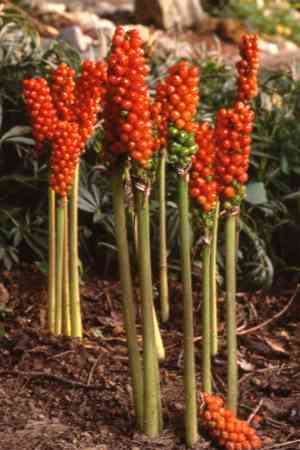
1
Italian arum tolerates frost and endures severe winter weather with appropriate attention.
2
Applying mulch to Italian arum safeguards its root structure during freezing periods.
3
Watch out for pests such as slugs and snails, as they can flourish even in colder seasons.
Winter Requirements for Italian arum
Winter Requirements for Italian arum
As the cold season approaches, Italian arum prepares for a period of inactivity. Despite its resilience to frost, this plant needs specific attention to flourish when temperatures drop. Key necessities include adequate soil drainage, defense against severe cold, and consistent pest surveillance. Let's delve into these aspects further.
Preparing Italian arum for Winter
Assessing Soil Quality and Drainage
Proper drainage is crucial for Italian arum, as saturated soil can lead to root decay. Start by evaluating the soil's composition â it should be loamy and drain effectively. Consider incorporating organic matter, such as compost, to enhance both drainage and nutrient levels. In regions with dense clay soil, amending with sand or grit can prevent water retention.
Trimming and Cleaning the Plant
Before the initial frost, remove any dead or damaged leaves to prevent disease and insect infestations. Clearing the area around the plant also helps eliminate hidden pests. Use clean, sharp pruning tools to avoid harming the plant. Properly dispose of debris to maintain a tidy garden and improve air circulation around the Italian arum.
Applying Mulch for Protection
Mulching is a vital step in the winter care of Italian arum. Apply a thick layer of organic mulch, such as straw or shredded leaves, around the plant's base. This mulch acts as an insulating barrier, safeguarding the roots from freezing temperatures. Aim for a mulch layer approximately 5-10 cm (2-4 inches) deep.
Maintaining Italian arum During Winter
Watering Needs
Italian arum requires less water during its dormant winter phase. Water sparingly, ensuring the soil is moist but not waterlogged. Use rainwater or distilled water if possible, as it is less harsh on the plant than tap water.
Managing Frost
Although Italian arum is frost-hardy, it's still wise to take precautions during extremely cold spells. Use frost cloths or old bedsheets to cover the plant on particularly cold nights, and consider temporary windbreaks if your garden is exposed to harsh winds.
Monitoring for Pests
Winter can still harbor pests such as slugs and snails. Regularly check the plant and surrounding area for any sign of pests. Setting up natural slug traps or using diatomaceous earth around the plant base can help you manage these unwelcome visitors.
Steps to Revive Italian arum Post-Winter
Inspecting the Plant
With the arrival of spring, examine your Italian arum for any winter damage. Look for signs of rot, pest damage, or disease. Remove any dead foliage and clean up the surrounding area to give your plant the best chance to revive and thrive.
Gradually Increasing Watering
As temperatures rise, gradually increase the watering frequency. Ensure consistent moisture, but avoid waterlogging. Slowly transitioning the plant back to its regular watering schedule will help it adjust smoothly to the growing season.
Ensuring Proper Sunlight Exposure
Post-winter, ensure your Italian arum gets adequate sunlight. If it's an outdoor plant, ensure it's in a spot that receives partial to full sun. Indoor plants should be placed near a bright window, but avoid direct midday sun to prevent leaf scorch.



