How to Overwinter Ponytail palm
1
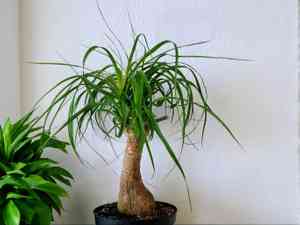
The Ponytail palm, despite its name, is not a genuine palm but belongs to the agave family.
2
Its robust trunk allows the Ponytail palm to retain water for long durations, enabling it to withstand dry conditions.
3
Although somewhat resilient, the Ponytail palm can sustain harm from freezing temperatures if not shielded.
Why Do Ponytail palms Need Overwintering?
Why Do Ponytail palms Need Overwintering?
The Ponytail palm, originating from Mexico's semi-arid regions, thrives in warm, dry environments. However, when temperatures fall below 10°C (50°F), it becomes susceptible to frost damage. As a half-hardy plant, it cannot endure prolonged cold exposure. Overwintering your Ponytail palm ensures its health and vitality despite colder weather.
Preparing Your Ponytail palm for Winter
Inspecting for Pests and Diseases
Start by thoroughly checking your Ponytail palm for any indications of pests or diseases. Watch for common invaders such as mealybugs, spider mites, and scale. Treat any infestations immediately with insecticidal soap or neem oil to prevent their spread.
Pruning and Cleaning
Pruning your Ponytail palm involves removing any dead or yellowed foliage. This not only maintains its neat appearance but also allows the plant to direct its energy towards healthy development. Clean the leaves with a damp cloth to ensure they are free of dust, which can harbor pests.
Adjusting Watering Needs
As winter approaches, decrease how often you water your Ponytail palm. Its thick trunk stores water, and excessive watering during colder months can lead to root rot. Provide just enough water to keep the soil slightly moist, approximately once every 2-3 weeks.
Fertilizing Tips
Reduce fertilization during the winter period. Over-fertilizing can cause nutrient accumulation, potentially leading to harm. If you must fertilize, use a diluted, balanced houseplant fertilizer at half-strength every 8-12 weeks.
Indoor vs Outdoor Winter Care for Ponytail palms
Bringing Your Ponytail palm Indoors
If your Ponytail palm has been growing outdoors, it's time to bring it inside before frost arrives. Move it gently, taking care not to harm the roots or trunk.
Choosing the Right Indoor Spot
Position your Ponytail palm in a bright location where it can receive ample indirect sunlight. A south-facing window is ideal. Ensure the spot is away from drafts and heating vents to prevent temperature fluctuations.
Maintaining Ideal Indoor Conditions
Keep indoor temperatures between 15-24°C (60-75°F). Maintain moderate humidity levels by placing a water tray with pebbles beneath the pot or occasionally misting the leaves.
Outdoor Protection Measures
If you reside in an area with consistently mild winter temperatures, provide outdoor protection by covering your Ponytail palm with a frost cloth. Ensure its base is well-insulated with mulch to retain warmth.
Common Issues During Overwintering and How to Address Them
Dealing with Leaf Drop
Leaf drop can occur due to sudden temperature shifts. Ensure a stable indoor temperature and avoid moving the plant frequently.
Preventing Root Rot
Prevent root rot by ensuring you do not overwater. Use well-draining soil and pots with drainage holes to allow excess water to escape.
Managing Low Humidity
Combat low humidity by grouping plants together, using a humidifier, or placing the plant on a humidity tray with water and pebbles.
When to Move Your Ponytail palm Back Outdoors
Monitoring Weather Conditions
Begin closely monitoring weather conditions as winter recedes. Once nighttime temperatures consistently remain above 10°C (50°F), it is safe to consider relocating your Ponytail palm back outdoors.
Gradual Transition Process
Slowly reintroduce your Ponytail palm to the outdoors. Start by placing it in a shaded area for a few hours daily, gradually increasing exposure to prevent shock.



