How to Overwinter Creeping barberry
1
Creeping barberry flourishes in USDA hardiness zones 5 through 9.
2
Apply a 5-8 cm (2-3 inches) layer of mulch around your Creeping barberry for best safeguarding.
3
Creeping barberry responds well to trimming in late winter or early spring to eliminate any impaired limbs.
Why is Creeping barberry Hardy in Winter?
Why is Creeping barberry Hardy in Winter?
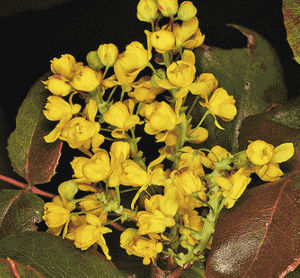
The Creeping barberry, recognized for its vivid autumn foliage and resilient character, stands as an excellent option for gardeners seeking low-maintenance plants capable of enduring winter's harsh conditions. Indigenous to North America, this perennial plant has adapted to survive the fluctuating winter temperatures frequently encountered in USDA zones 5 to 9. Its thick, tough leaves and robust root system are naturally equipped to handle frost, making it a dependable plant for colder climates.
Preparation Steps for Overwintering Creeping barberry
Inspecting Plant Health
Prior to the initial frost, dedicate time to examine your Creeping barberry for any indications of disease or pest infestations. Look for discolored leaves, wilting, or unusual spots. Addressing these issues beforehand ensures your plant is healthy and better prepared to survive the winter months.
Mulching Techniques
Applying mulch is vital for safeguarding the root system of your Creeping barberry. Spread a layer of mulch approximately 5-8 cm (2-3 inches) thick around the plant's base. Mulch acts as insulation, keeping the roots warmer during extreme cold by retaining soil moisture and preventing frost heave.
Watering Guidelines Before Winter
Thoroughly water your Creeping barberry before the ground freezes. This helps the plant remain hydrated as it will receive minimal water throughout winter. Ensure the soil is moist but not waterlogged to prevent root rot. Typically, about 25-50 liters (7-14 gallons) of water per plant should suffice, depending on its size and soil conditions.
Pruning Instructions
Pruning your Creeping barberry in late autumn helps remove any dead or damaged branches that could attract pests or disease during winter. Trim the plant to maintain its shape and encourage healthy growth when spring arrives. Aim to remove approximately one-third of the plant's total growth.
What are the Ideal Conditions for Overwintering Creeping barberry?
Soil Requirements
Creeping barberry thrives in well-draining soil with a slightly acidic to neutral pH (6.0 to 7.5). Ensure the soil is loose and free of standing water, which can lead to root rot and other problems during the cold months.
Light and Shade Conditions
This plant prefers partial shade to full sun exposure. In winter, when sunlight is less intense, ensure your Creeping barberry receives as much light as possible. If grown indoors, position the plant near a south or west-facing window to maximize sun exposure.
Temperature Tolerance
Creeping barberry is resilient down to temperatures as low as -20°C (-4°F). It can withstand frost, but it's crucial to shield it from prolonged exposure to extreme cold using mulch and other protective measures. In particularly harsh climates, consider employing frost cloths or other insulating materials.
How to Monitor Creeping barberry During Winter?
Detecting Signs of Stress
Regularly check your Creeping barberry for indications of winter stress, such as browning leaves, brittle branches, or frost damage. Early detection can help you take steps to protect the plant, such as adding extra mulch or covering it during heavy frosts.
Pest and Disease Management
Even in winter, pests like spider mites and scale insects can pose a threat to your Creeping barberry. Inspect the plant regularly and promptly treat any infestations with appropriate organic pesticides or insecticidal soap. Also, watch for fungal diseases, especially if the winter is wet.
Adjusting Care as Necessary
Be adaptable with your care routine. If a particular winter is more severe or milder than usual, modify your care accordingly. For instance, during an unusually mild winter, you might need to water the plant occasionally if the soil completely dries out.
What To Do When Spring Returns?
Post-Winter Pruning
As winter concludes, inspect your Creeping barberry for any winter damage and prune away dead or damaged branches to encourage new growth. Pruning helps maintain plant shape and improve air circulation, which can prevent disease.
Resuming Regular Watering
Gradually resume regular watering as the soil begins to thaw. Water deeply but infrequently, allowing the soil to dry out between waterings to prevent root rot. Aim for approximately 25 liters (7 gallons) of water per week, adjusting based on rainfall and soil conditions.
Fertilizing Creeping barberry
Feed your Creeping barberry in early spring with a balanced, slow-release fertilizer to provide the nutrients it needs for the growing season. Follow the recommended dosage on the fertilizer package, typically around 50 grams (1.76 ounces) per plant.



