How to Overwinter River birch
1
River birch inherently withstands cold, thriving in USDA Hardiness Zones 4-9.
2
Mulching aids in retaining soil dampness and offers protection from temperature shifts.
3
Frequent checks in winter allow for early detection and treatment of any frost-related harm.
Understanding River birch Frost Hardiness
Understanding River birch Frost Hardiness
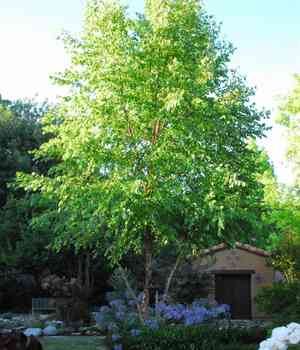
River birch, or Betula nigra, is a lovely and adaptable deciduous tree commonly found in the United States. It thrives in USDA Hardiness Zones 4-9, making it naturally resistant to frost and cold winters. Its tolerance to wet soils and resistance to drought once established make it a popular choice for landscaping. However, while it is generally hardy, taking some precautions can ensure your River birch survives the winter unscathed, especially if it's a younger or newly planted tree.
Preparing River birch for Winter
Pruning Techniques for Winter Preparation
Pruning your River birch before winter sets in is a critical step. Prune dead or diseased branches, and thin out dense areas to improve air circulation. This prevents ice buildup, which can break branches. Avoid heavy pruning in late fall, as this can stimulate new growth that is more vulnerable to frost damage. Instead, focus on light pruning to remove any weak or problematic branches.
Watering Guidelines Before Frost
Proper watering before the ground freezes is essential. Ensure your River birch receives adequate water in the fall to help it withstand the winter. Water deeply, aiming for about 3-4 liters (0.8-1 gallons) per square meter (10 square feet) around the drip line of the tree. Hydrated trees are better equipped to handle the stress of cold weather and are less susceptible to winter damage.
Applying Mulch Effectively
Mulching is a simple yet powerful technique to protect your River birch during winter. Apply a 5-10 cm (2-4 inch) layer of organic mulch, such as wood chips or shredded bark, around the base of the tree. This helps retain soil moisture, moderates soil temperature, and provides a barrier against frost. Keep the mulch a few centimeters (inches) away from the trunk to prevent rot and pests.
Protecting Young River birch Trees from Frost Damage
Using Tree Wraps and Shields
Young River birch trees are more susceptible to frost damage. To protect them, consider using tree wraps or shields. Wrap the trunk with a breathable tree wrap, starting from the base and working your way up to the lowest branches. This protects the bark from cracking due to frost and fluctuating temperatures. Tree shields can also be used to guard against strong winds and ice. These can be removed once the harsh winter months pass.
Constructing Windbreaks
Wind can exacerbate frost damage, so constructing windbreaks is a practical solution. Use materials like burlap, plastic shields, or even strategically placed shrubs to create barriers around young trees. Position the windbreaks to block prevailing winds, reducing the stress on the River birch and minimizing frost-related damage. Ensure these structures are securely anchored to withstand winter storms.
Monitoring River birch During Winter
Regular Health Inspections
Even during winter, regular inspections of your River birch can make a big difference. Check the tree for signs of frost damage, such as cracked bark, ice buildup, or broken branches. Early detection allows you to take corrective actions promptly. Inspect the mulch to ensure it remains effective and hasnât been displaced. Assessing your tree regularly helps you provide proper care and protection as needed.
Identifying and Treating Frost Damage
If you notice signs of frost damage, take immediate steps to address them. Prune damaged branches carefully to prevent further injury and promote healing. Apply a protective tree wrap if the bark is split or cracked. In severe cases, consider consulting a professional arborist for advice and treatment options. Taking swift action can help preserve the health and beauty of your River birch.
Post-Winter Care for River birch
Resuming Regular Watering and Feeding
As winter ends and temperatures rise, resume your regular watering schedule. Deep watering is crucial, especially during dry spells. Start fertilizing in early spring with a balanced, slow-release fertilizer to support new growth and recovery from winter stress. Follow the manufacturerâôs instructions for precise application rates, ensuring your River birch receives the nutrients it needs to flourish.
Pruning Dead or Damaged Branches
Spring is an excellent time to prune your River birch tree. Focus on removing any dead, damaged, or diseased branches that may have been affected by winter. Use clean, sharp pruning tools to make precise cuts. Proper pruning after winter helps shape the tree, promotes healthy growth, and enhances the overall appearance of your River birch. Regular maintenance will keep your tree vibrant and thriving year-round.



