How to Overwinter Crimson bottlebrush
1
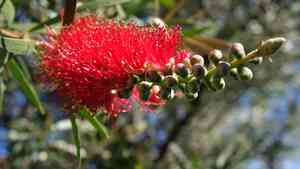
Crimson bottlebrush is resilient, yet requires safeguarding in harsh winter weather.
2
Pruning your plant prior to winter's arrival is essential for robust spring development.
3
Regular, yet decreased, irrigation prevents root decay while sustaining soil hydration equilibrium.
What Does Overwintering Mean for Crimson bottlebrush?
What Does Overwintering Mean for Crimson bottlebrush?
Overwintering describes the process of preparing your Crimson bottlebrush to endure the cold winter months. Despite its inherent hardiness, which allows it to tolerate frosts, specific measures can ensure your plant stays healthy and ready to flourish once warmer weather returns. Proper overwintering involves pre-winter preparation, frost protection, and adjustments to watering and feeding routines.
Preparing Your Crimson bottlebrush for Winter
Pruning Techniques
Pruning is crucial for your Crimson bottlebrush before winter. Begin by removing any dead or damaged branches. Trim back any long, unruly stems to maintain a compact and manageable shape. This not only helps reduce stress on the plant but also promotes more vigorous growth in the spring. Use clean, sharp pruning shears for precise cuts, and avoid cutting too close to the main stem to prevent potential infections.
Soil and Mulching
Appropriate soil preparation can help your Crimson bottlebrush better handle the winter months. Ensure the plant is in well-draining soil to prevent waterlogging, which can lead to root rot. Applying a layer of mulch, approximately 5-7 centimeters (2-3 inches) thick, around the plant's base can insulate the root zone and maintain soil moisture levels. Use organic mulch like straw, bark, or compost, which enriches the soil as it decomposes.
How to Protect Your Crimson bottlebrush from Frost?
Covering Methods
To shield your Crimson bottlebrush from frost, employ suitable covering techniques. Frost cloths or horticultural fleece are excellent choices, as they permit air and light to reach the plant while offering frost protection. Drape these materials over the plant, securing them at the base. For smaller plants, using inverted pots or cloches can also be effective. Ensure covers do not directly touch the leaves to prevent frost burn.
Ideal Locations for Planting
The placement of your Crimson bottlebrush significantly impacts its ability to withstand winter conditions. Select a location that provides some natural wind protection, such as near a wall or a fence. If possible, plant it in a sunny spot, as additional sunlight can slightly raise the temperature and protect against frost. If your region experiences harsh winters, consider planting the bottlebrush in a container so it can be moved indoors when necessary.
Watering and Feeding Your Crimson bottlebrush in Winter
Watering Schedule Adjustments
Watering requirements for your Crimson bottlebrush will change as temperatures decrease. Reduce watering frequency but ensure the soil remains slightly moist. Aim to water approximately every two weeks, or when the top 5 centimeters (2 inches) of soil feel dry. Overwatering can cause root rot, especially when the plant is in a dormant state.
Suitable Fertilizers
Feeding your Crimson bottlebrush during winter should be minimal. Apply a low-nitrogen, slow-release fertilizer in early fall to support root health without encouraging new growth, which could be susceptible to frost. Avoid heavy fertilization during winter months, as it can stimulate leaf development rather than hardening off the plant for the cold.
Common Problems and Solutions During Overwintering
Pests and Diseases
During winter, your Crimson bottlebrush can still be susceptible to pests and diseases despite the colder weather. Watch for common pests like aphids and scale, which can be managed using insecticidal soap or neem oil. Diseases such as root rot can occur if the soil remains too wet. Ensure proper drainage and avoid overwatering to maintain healthy roots.
Dealing with Leaf Drop
Leaf drop can be concerning but is often a natural reaction to stressful conditions like cold and reduced light. If your Crimson bottlebrush drops leaves, examine your watering habits and the plant's environment. Ensure it's not excessively dry or waterlogged. If leaf drop persists, consider relocating the plant to a slightly warmer and more sheltered spot.



