How to Overwinter Incense cedar
1
Incense cedar tolerates cold well but still needs attention in the chilliest periods.
2
Sufficient mulch helps shield the Incense cedar's root structure from severe temperature shifts.
3
Observing for winter stress indicators can avert lasting harm to your Incense cedar.
Understanding Incense cedar and Its Hardy Nature
Understanding Incense cedar and Its Hardy Nature
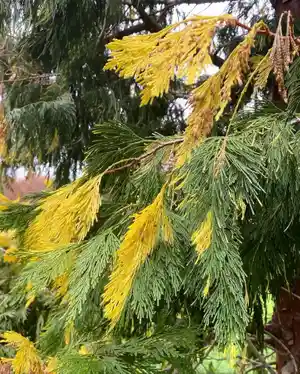
The Incense cedar (Calocedrus decurrens) is a robust evergreen tree recognized for its aromatic timber and appealing, upright form. Primarily found in the western United States, this tree can achieve impressive heights and is frequently utilized as an ornamental specimen. A key characteristic is its capacity to endure harsh winter conditions, making it a favored option for landscapers and home gardeners in colder climates.
How Does Incense cedar Survive Frosts?
Natural Frost Resistance Mechanisms
The Incense cedar has developed various methods to withstand freezing conditions. Its thick bark serves as an insulating layer, safeguarding the tree's inner core from frigid temperatures. Furthermore, the treeâs foliage minimizes water loss during the dry, cold winter months by closing its stomata. This reduces the risk of desiccation, a common winter problem for many plants.
Optimal Temperature Range
While the Incense cedar is resilient and can survive in temperatures well below freezing, it thrives best in temperatures ranging from -12°C to 10°C (10°F to 50°F). It is important to be aware of any unexpected cold snaps, as prolonged exposure to temperatures outside its ideal range can still present difficulties.
Steps to Prepare Incense cedar for Winter
Pruning and Trimming
Before winter arrives, itâs crucial to prune and trim your Incense cedar. Remove any dead or weak branches to lessen the chance of winter storm damage. Trimming not only helps maintain a good shape but also ensures the tree directs its energy towards healthier branches during the harsh months.
Mulching Strategies
Applying a thick layer of mulch around the base of the Incense cedar can provide essential insulation. Use organic materials such as straw, wood chips, or shredded bark, spreading it about 5-10 cm (2-4 inches) thick. This mulch layer helps maintain soil moisture and temperature, protecting the root system from extreme fluctuations.
Watering Guidelines
Watering is vital but should be done carefully. In the fall, ensure the Incense cedar is well-hydrated before the ground freezes. Water deeply and infrequently, aiming for about 2.5 cm (1 inch) of water per week. However, significantly reduce watering once winter begins to prevent the roots from exposure to excessive moisture, which can lead to root rot.
Monitoring Incense cedar During Winter
Identifying Stress Signs
Throughout the winter, regularly inspect your Incense cedar for any indications of stress. Look for browning or needle drop, which can signal dehydration or root problems. If you observe any signs of animal browsing, consider using protective barriers to deter wildlife.
Addressing Common Winter Issues
Typical winter issues for Incense cedar include ice damage and snow accumulation. Gently brush off heavy snow from branches to prevent breakage. In the event of ice damage, avoid forcibly removing the ice; instead, allow it to melt naturally to prevent further harm to the tree.
Transitioning Incense cedar to Spring
Gradual Warming Techniques
As temperatures begin to rise, gradually expose your Incense cedar to more sunlight to help it adapt to the changing conditions. This slow reintroduction to warmer temperatures can prevent shock and promote healthier growth as spring approaches.
Early Spring Care Tips
In early spring, remove the mulch layer to prevent excessive moisture retention, which can lead to root diseases. Begin a regular watering schedule as the ground thaws and consider a balanced, slow-release fertilizer to encourage new growth and replenish any nutrients lost during the winter.



