How to Overwinter Japanese camellia
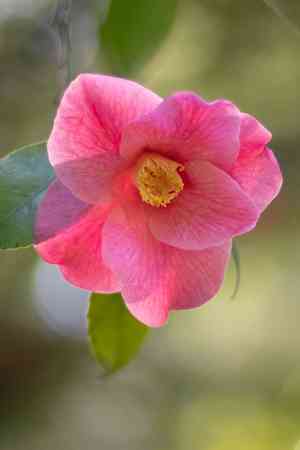
1
Japanese camellia can withstand temperatures as low as -10°C (14°F) but requires safeguarding to flourish.
2
Applying a 5-10 cm (2-4 inches) layer of organic mulch can aid in root insulation.
3
Strategic trimming in late autumn promotes robust spring development.
Understanding Japanese camellia Winter Needs
Understanding Japanese camellia Winter Needs
The Japanese camellia is a lovely evergreen shrub prized for its shiny foliage and stunning winter blooms. While robust and resilient, it still requires specific care during the cold winter months. This plant can endure temperatures as low as -10°C (14°F) but will greatly benefit from extra attention to keep it healthy and vibrant. Grasping these requirements is the initial step in successfully overwintering your Japanese camellia. Key elements include shielding from harsh winds, consistent but not excessive watering, and ensuring proper root zone insulation.
Preparing Japanese camellia for Winter
Pruning and Cleaning
Late autumn is the ideal period to prune your Japanese camellia. Pruning not only aids in shaping the plant but also removes any dead or damaged branches. Start by identifying and cutting off any weak, crossing, or diseased branches using clean, sharp secateurs. Clearing fallen leaves and debris around the plant's base can prevent diseases and pests from establishing themselves during the winter.
Mulching and Insulation
Applying a layer of mulch is vital for safeguarding the roots from freezing temperatures. Spread a 5-10 cm (2-4 inches) thick layer of organic mulch, such as pine needles or bark chips, around the base of the Japanese camellia. This insulation helps retain soil moisture and maintain a stable root temperature. Be careful not to pile the mulch against the trunk, as this can lead to rot.
Watering Needs
Properly watering your Japanese camellia during winter is crucial. Before the ground freezes, give your plant a thorough watering to ensure it has adequate moisture. Once the cold sets in, significantly reduce watering, only providing water if the soil is dry to the touch and there's no immediate frost risk. Overwatering during winter can cause root rot, so moderation is key.
Protecting Japanese camellia from Frost
Using Cloches and Covers
One method to shield your Japanese camellia from frost is by utilizing cloches or frost covers. These can be easily placed over your plant during particularly cold nights. Ensure the covers extend to the ground to effectively trap heat. In regions with severe winters, consider using burlap wraps or horticultural fleece to create a protective barrier against the cold.
Site Selection and Wind Barriers
Choosing the correct location in your garden can significantly impact how well your Japanese camellia endures winter. Planting it in a sheltered spot, away from strong winds, will be beneficial. Additionally, constructing wind barriers using garden stakes and burlap can lessen wind exposure. Even simple arrangements like positioning the camellia near a wall or larger shrubs can offer necessary protection from cold winds.
Indoor Care for Potted Japanese camellia
Ideal Indoor Conditions
If your Japanese camellia is in a pot, bringing it indoors for the winter can provide extra protection. Place the potted camellia in a cool, well-lit areaâideally, a sunroom or unheated greenhouse where temperatures remain between 5-15°C (41-59°F). Avoid positioning it near heating vents or drafts.
Lighting and Humidity
Ensure the Japanese camellia receives ample light, ideally about 6-8 hours of indirect sunlight daily. If natural light is insufficient, you may use grow lights to support healthy growth. Maintaining humidity levels can also be challenging indoors; using a humidifier or placing a tray of water near the plant can help keep the air around it moist.
Monitoring and Adjusting Watering
Indoor conditions can dry out the soil more quickly or, conversely, lead to overwatering if drainage is inadequate. Regularly check the soil moisture by inserting your finger about 2.5 cm (1 inch) deep into the soil. If it feels dry, it's time to water. Ensure the pot has good drainage to prevent water from stagnating at the roots.
Detecting and Addressing Winter Stress in Japanese camellia
Signs of Stress and Damage
Even with careful preparation, your Japanese camellia might exhibit signs of winter stress. Look for yellowing leaves, wilting, or leaf drop, as these can indicate water stress or frost damage. Brown or blackened leaf tips can also signal frost burn.
Remedial Actions
If you observe stress signs, act promptly. For water stress, adjust your watering regimenâeither more or less frequently, based on the plant's indicators. If frost damage occurs, remove affected leaves, but wait until spring to perform major pruning, as premature pruning can cause further stress. Applying a balanced, slow-release fertilizer in early spring can help your Japanese camellia recover and encourage new growth.



