How to Overwinter Serbian bellflower
1
Serbian bellflower tolerates cold well, enduring temperatures down to -30°C (-22°F).
2
Trimming your Serbian bellflower in autumn encourages robust new growth come springtime.
3
Applying organic mulch around the base of your Serbian bellflower offers protection from severe winter weather.
Understanding the Frost Hardiness of Serbian bellflower
Understanding the Frost Hardiness of Serbian bellflower
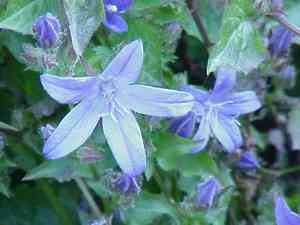
The Serbian bellflower (Campanula poscharskyana) is a perennial plant recognized for its vibrant, star-shaped blue flowers that bloom profusely. A key aspect of successfully cultivating this charming plant is comprehending its frost hardiness. Fortunately, the Serbian bellflower is remarkably frost-tolerant, capable of enduring temperatures as low as -30°C (-22°F). This inherent resilience makes it an ideal garden plant for areas that experience cold winters. However, even robust plants require some winter care to ensure they emerge healthy and vibrant once the snow melts.
Preparing Your Serbian bellflower for Winter
When to Start Preparing
The optimal time to begin preparing your Serbian bellflower for winter is in late autumn, typically around October or November. Starting early ensures that your plant is well-protected against the initial frost. Begin by gradually decreasing the amount of water you provide. This aids the plant's transition into dormancy. However, do not allow the soil to completely dry out. Moisture remains crucial for the plant's survival during winter.
Pruning Techniques
Pruning is a vital step in readying your Serbian bellflower for winter. In late fall, once blooming has ceased, trim back the stems to encourage vigorous growth in spring. Remove any dead or damaged stems to prevent disease and pest accumulation. Aim to cut the stems down to approximately 10 cm (4 inches) above the soil level. This not only helps the plant conserve energy during dormancy but also promotes fuller growth when the weather warms up.
Soil and Mulching
To provide additional protection against the cold, focus on the soil and mulching. Ensure the soil drains well to prevent waterlogging, which can lead to root rot during winter. Applying a layer of mulch around the base of the Serbian bellflower can significantly enhance its frost resistance. Use organic materials such as straw, wood chips, or shredded leaves. Apply a 5-10 cm (2-4 inch) layer of mulch, making sure it's spread evenly around the plant's base. This insulating layer helps maintain a more stable soil temperature and reduces the impact of freezing and thawing cycles.
What Winter Protection Does Serbian bellflower Need?
Outdoor Care Tips
For outdoor Serbian bellflower plants, winter protection involves a combination of pruning, mulching, and selective covering. In regions with harsh winters, consider using garden fabric or burlap to cover the plants. This additional layer of protection can help shield the plants from extreme cold and wind. Additionally, make sure the plant is free from any fallen leaves and debris that could harbor pests or diseases over winter.
Indoor Potting Tips for Extreme Climates
If you reside in a region where winter temperatures fall significantly below the plantâs hardiness threshold or if you experience unpredictable weather patterns, consider potting the Serbian bellflower and bringing it indoors. For indoor care, place the potted plant in a cool, bright location, such as an unheated garage or a basement with windows. Water sparingly, just enough to keep the soil slightly moist. Avoid overwatering, as this can lead to root rot. Once the danger of frost has passed in the spring, gradually reintroduce the plant to outdoor conditions.



