How to Overwinter Trumpet creeper
1
Trumpet creeper is a resilient plant capable of enduring cold temperatures, though it still thrives with appropriate winter attention.
2
Trimming your Trumpet creeper prior to winter aids in minimizing potential harm from snow and ice.
3
Adequate mulching and changes to watering are crucial for protecting and preserving the well-being of your Trumpet creeper throughout winter.
What is Trumpet creeper?
What is Trumpet creeper?
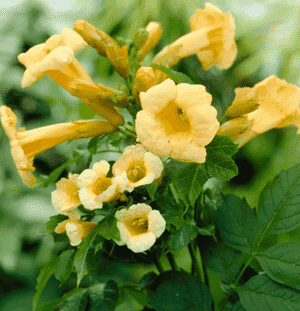
The Trumpet creeper (Campsis radicans) is a robust, deciduous climbing plant recognized for its striking, trumpet-shaped blossoms that appear in vivid orange and red hues. This decorative plant is favored for bringing a splash of color to gardens and structures, as it readily scales walls, fences, and trellises. Although it's a resilient plant thriving in USDA hardiness zones 4 through 9, proper care is vital for its survival and flourishing through winter, especially in colder regions.
Is Trumpet creeper Frost-Hardy?
Understanding Hardy Plants
Trumpet creeper is indeed categorized as frost-hardy, meaning it can withstand low temperatures to a certain degree. However, like many resilient plants, it has its limits. Hardy plants are those capable of enduring colder temperatures and even frost without perishing. Yet, for optimal health and to ensure a vibrant spring, additional measures can be taken to safeguard your Trumpet creeper during severe winter months.
Preparing Trumpet creeper for Winter
Pruning Techniques
Before winter arrives, pruning your Trumpet creeper is crucial. Trim the plant in late autumn after the leaves have fallen. You should remove any dead or damaged branches to prevent potential issues from snow and ice accumulation. Pruning also helps maintain the vine's shape and size, making it easier to manage during the winter period.
Mulching for Insulation
Applying a layer of mulch around the base of your Trumpet creeper can offer much-needed insulation during winter. Use organic mulch, such as straw or wood chips, and spread it about 5-10 cm (2-4 inches) thick around the plant's base. This mulch acts as a protective layer, stabilizing soil temperature and shielding the roots from freezing.
Watering Adjustments
As colder weather approaches, gradually decrease the amount of water you provide your Trumpet creeper. Excessive watering can lead to root rot, particularly during dormancy when the plant's growth slows. Instead, water sparingly, ensuring the soil is moist but not saturated. Proper care at this time helps the plant conserve energy and resources for the harsh winter months ahead.
How Do I Protect Trumpet creeper from Extreme Cold?
Using Covers and Wraps
For extra protection, especially in areas with harsh winters, consider using plant covers or wraps. Burlap is an excellent material for wrapping your Trumpet creeper, providing an additional layer of warmth. Secure the burlap around the plant, ensuring it covers most of the vine, without compressing it too tightly. This method helps shield the plant from biting winds and freezing temperatures.
Positioning for Wind Protection
Wind can be particularly damaging during winter, causing harm to Trumpet creeper vines. If feasible, place your plant in a location that offers natural wind protection, such as near a wall or fence. If the vine is exposed, consider installing a windbreak to lessen the impact of strong gusts. This can be as simple as setting up a temporary barrier with stakes and burlap.
Common Overwintering Mistakes to Avoid
Overwatering During Dormancy
One of the most frequent errors when overwintering plants is overwatering. During dormancy, Trumpet creeper requires significantly less water. Excessive watering can result in root rot and other problems. Always check the soil moisture before watering and remember that less is more during the winter months.
Neglecting Pest Control
While pest activity diminishes in colder weather, it doesn't vanish entirely. Periodically inspect your Trumpet creeper for signs of pests like aphids or scale insects. Treat any infestations promptly to prevent them from becoming a larger issue when the plant reawakens in spring.
How to Transition Trumpet creeper Back to Spring
Gradual Exposure to Outdoors
As temperatures begin to rise and the risk of frost lessens, start moving your Trumpet creeper back to its usual outdoor environment. Gradual exposure is keyâbegin by uncovering the plant during the day and covering it again at night. This helps the plant acclimate to the changing temperatures, reducing stress and promoting healthy growth.
Resuming Regular Maintenance
Once your Trumpet creeper has adapted to the warmer weather, you can resume routine maintenance. This includes consistent watering, feeding, and pruning as needed. Pay close attention to new growth and be proactive about managing pests and diseases. With proper care, your Trumpet creeper will reward you with vibrant blooms throughout the growing season.



