How to Overwinter Berkeley sedge
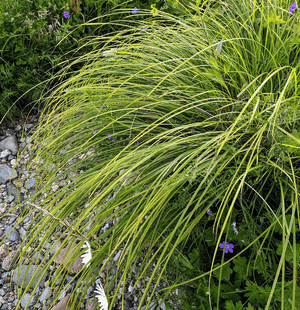
1
Berkeley sedge tolerates cold temperatures well, making it a robust option for colder regions.
2
Applying mulch and frost covers can significantly safeguard Berkeley sedge during severe cold spells.
3
Anticipate fresh shoots on Berkeley sedge in early spring as warmth returns.
Is Berkeley sedge Frost Hardy?
Is Berkeley sedge Frost Hardy?
Yes, Berkeley sedge is a robust plant capable of enduring cold temperatures and frost. This hardiness makes it an excellent option for gardens in diverse climates. However, while Berkeley sedge can withstand frosty conditions, it still requires some attention to flourish through winter. Ensuring your plant stays healthy during colder months will prepare it for vigorous growth in spring.
Ideal Winter Conditions for Berkeley sedge
Soil Preparation
Ensuring your Berkeley sedge has properly prepared soil is vital for its winter survival. The soil must drain well to prevent waterlogging, which can cause root rot. Before winter arrives, add a layer of compost to enrich the soil with nutrients. This organic material will also enhance soil structure, helping roots cope with colder temperatures.
Light Requirements
Berkeley sedge prefers partial to full shade, making it quite adaptable in various garden settings. During winter, light intensity naturally decreases, which suits the plant well. If your Berkeley sedge is potted, consider moving it to a spot with indirect light throughout the day. This minimal light exposure helps the plant maintain its vitality during dormancy.
Watering Needs
Properly overwintering Berkeley sedge means adjusting your watering schedule. The plant needs less water in winter as it enters dormancy. Water sparingly, ensuring the soil remains just moist enough to keep the roots alive. Overwatering in winter can be harmful, potentially leading to root diseases or decay.
How to Protect Berkeley sedge from Extreme Cold
Mulching Techniques
One of the best ways to safeguard your Berkeley sedge during winter is through mulching. Apply a layer of mulch approximately 5-7 cm (2-3 inches) thick around the plant's base. Mulching insulates the soil, retaining moisture and shielding roots from freezing temperatures. Organic mulches like straw, leaves, or wood chips are excellent choices as they decompose and add nutrients to the soil.
Using Frost Cloths and Covers
Another effective method to protect Berkeley sedge from harsh winter weather is using frost cloths or garden fleeces. These protective coverings are designed to trap heat and create a micro-environment around the plant. Ensure the frost cloth is securely fastened to prevent it from blowing away in windy conditions. For extra protection, especially during extreme cold spells, use stakes or a frame to hold the cloth above the plant, reducing direct contact and potential foliage damage.



