How to Overwinter Sand hickory
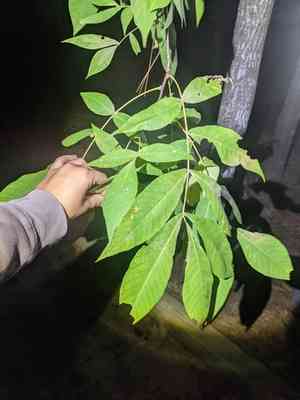
1
The Sand hickory is a resilient tree capable of enduring low temperatures, making it appropriate for diverse temperate regions.
2
Strategic trimming prior to winter can substantially lessen the likelihood of harm to your Sand hickory in severe weather.
3
Sand hickory trees thrive with mulching, which aids in insulating the soil and root system throughout colder periods.
Understanding Sand hickory Hardiness
Understanding Sand hickory Hardiness
The Sand hickory (Carya pallida) is a robust and resilient tree known for its capacity to endure a wide range of temperatures, including cold winters. This deciduous hardwood possesses natural hardiness, meaning it can withstand freezing conditions and often thrives in USDA hardiness zones 5 to 9. However, like all trees, the Sand hickory still requires some care and attention to ensure it navigates the winter months in optimal condition. This guide will outline the practical steps to prepare your Sand hickory for winter, safeguard it during extreme cold, and support its recovery as spring approaches.
Preparing Sand hickory for Overwintering
When to Start Preparations
The ideal time to begin preparing your Sand hickory for winter is in early autumn, prior to the first frost. This allows the tree ample time to acclimate. Monitor local weather forecasts and commence preparations when nighttime temperatures begin to fall below 10°C (50°F).
Proper Pruning Techniques
Pruning your Sand hickory before winter is crucial to prevent damage from heavy snow or ice. Focus on removing any dead or diseased branches, as well as those that cross or rub against each other. This helps to lessen the risk of branches breaking under the weight of snow or ice. Use clean, sharp pruning shears and make cuts at a 45-degree angle to encourage proper healing.
Soil and Mulch Requirements
Mulching is a vital step in preparing your Sand hickory for winter. Apply a layer of organic mulch, such as shredded bark or leaf mold, around the base of the tree. Aim for a depth of approximately 5-10 cm (2-4 inches) to help insulate the soil and retain moisture. Mulching not only protects the roots from extreme cold but also helps to prevent soil erosion during winter rains.
How to Protect Sand hickory from Extreme Cold
Using Wrapping Materials
In areas where winter temperatures drop significantly, consider using burlap or tree wrap to protect the trunk and lower branches of your Sand hickory. Wrapping the tree helps to shield it from harsh winds, frost, and ice. Start at the base and work your way upwards, securing the material with string or tape. Remove the wrap once the risk of severe cold has passed in early spring to prevent moisture buildup beneath the wrapping.
Creating Windbreaks
To provide additional protection against cold winter winds, consider erecting windbreaks around your Sand hickory. This can be achieved by placing stakes and connecting them with burlap or plastic sheets to form a barrier. Windbreaks reduce the impact of chilling winds, which can desiccate and harm the branches and leaves.
What to Do in Early Spring
Inspecting for Winter Damage
As temperatures begin to rise in early spring, take the time to thoroughly inspect your Sand hickory for any signs of winter damage. Look for broken branches, damaged bark, and any indications of disease or pest infestation. Prune away any damaged parts using clean, sharp tools to promote healthy growth.
Fertilization and Watering Tips
Once the risk of frost has passed, it's time to give your Sand hickory a strong start to the growing season. Apply a balanced, slow-release fertilizer to provide the tree with essential nutrients. Water the tree deeply, ensuring the soil is moist but not waterlogged. Consistent watering is crucial, especially during dry spells, to support the tree's recovery and growth.



